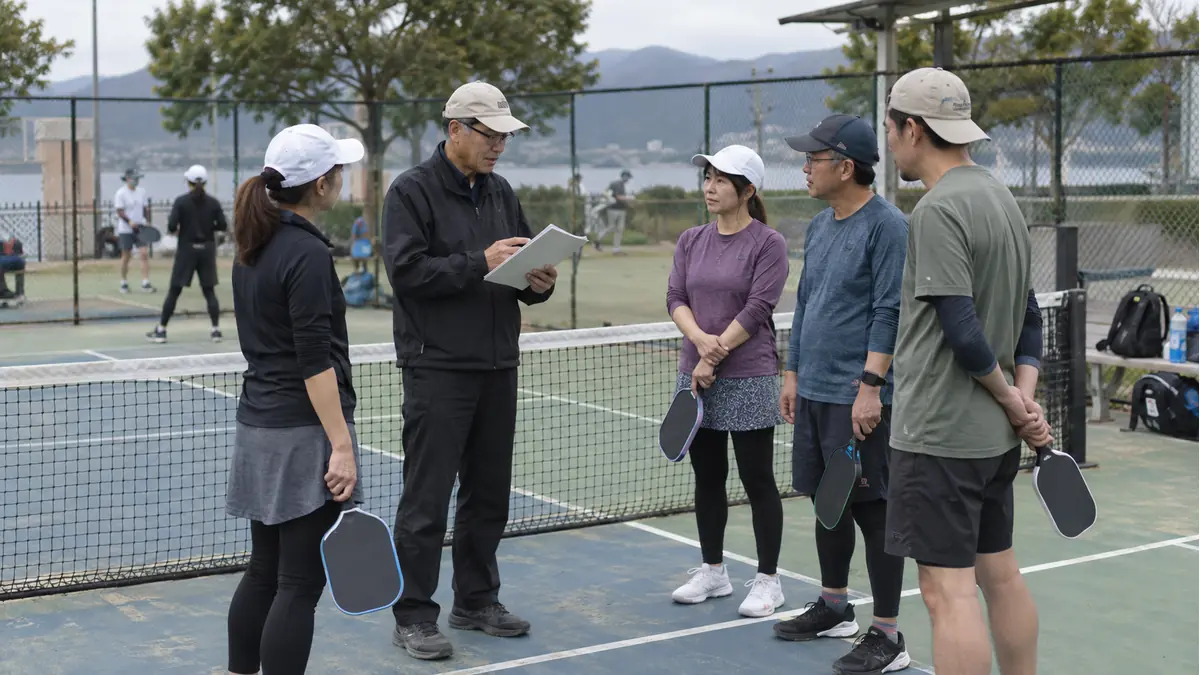
The official rules of pickleball are reviewed every year, and several revisions took effect on January 1, 2026. The one drawing the most attention is the treatment of rally scoring, which has been spreading through the pro leagues. This article sums up the main points USA Pickleball changed in the 2026 rulebook, from a practical standpoint for playing in Japan.
In This Article
- Get an overview of the main rule changes in 2026
- Understand what rally scoring changes
- Learn what changed for serve spin, out calls, and etiquette
- Know what to watch for at socials and tournaments in Japan
Quick comparison of the main 2026 changes
Here is the big picture in a table. Each point is explained in the sections below.
| Item | So far | 2026 change |
|---|---|---|
| Rally scoring | Only the serving side can win the final point | "A point is always a point." The receiving side can win the deciding point too (2026 is a trial and evaluation period) |
| Serve spin | Open to interpretation | Spin created by paddle motion is allowed; spin applied with the hand or fingers is explicitly prohibited |
| Out calls | The timing rules were loose | Limited to calls made before the opponent strikes the ball or before the ball becomes dead |
| Consulting spectators | "Should not" | "Must not" (subject to warnings and penalties) |
1. Rally scoring: a point is always a point
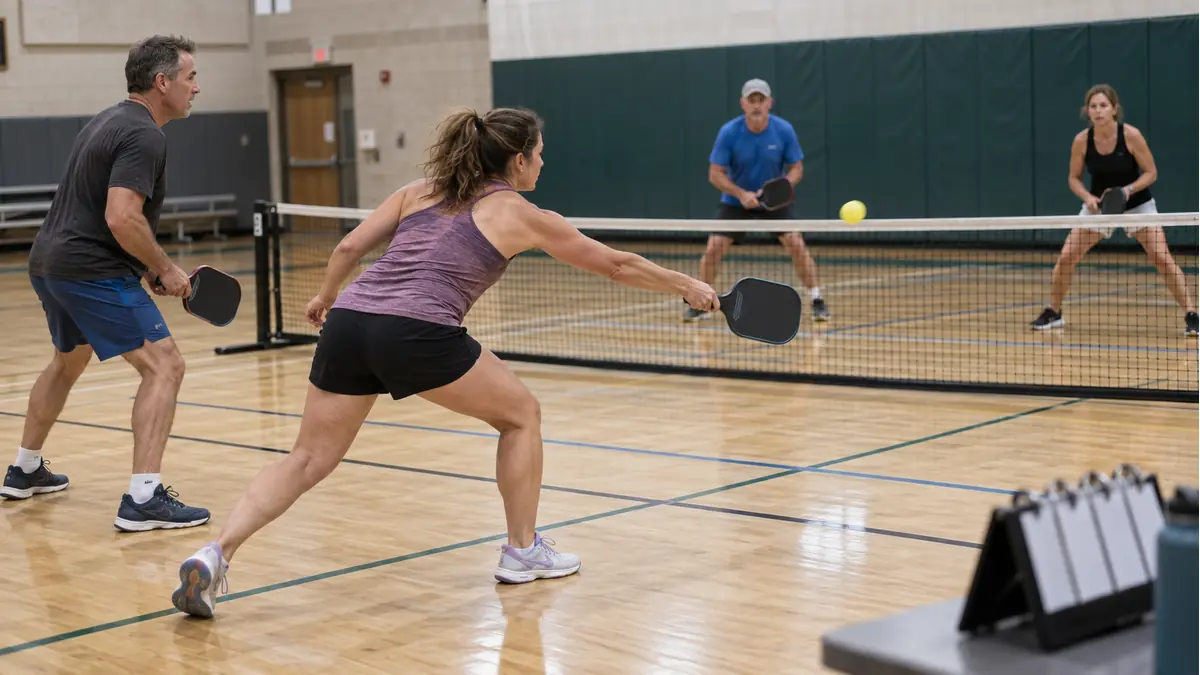
The biggest talking point is rally scoring. Traditional pickleball used side-out scoring, where only the serving side can add a point. Under rally scoring, the side that wins the rally takes the point no matter who served, and pro leagues such as MLP adopted it first.
As of 2025, rally scoring still carried the restriction that the final point, the one that decides the game, could be won only by the serving side. The 2026 edition removes that restriction, so the receiving side can now win the game-deciding point as well. Literally, a point is always a point.
Adoption is still up to each tournament or event
Rally scoring is positioned as an approved optional format, and it will be evaluated through the 2026 season, with a decision after the season on whether to keep it, modify it, or drop it. Games are played to 15 or 21 points depending on the tournament regulations. Most recreational play and socials still use the traditional side-out format (first to 11, win by 2), and whether rally scoring is used differs from tournament to tournament, so check the regulations before you enter. For the basics of scoring, seeHow Scoring Works in Pickleball.
2. Serve spin is limited to spin created by the swing
A clear line has been drawn on serve spin as well. Spin created by the motion of the paddle is allowed, while applying spin with the fingers or hand at the moment you release the ball remains prohibited. Rolling the ball off the fingers of your tossing hand as you release it is out; brushing the ball with the paddle face for slice or topspin is fine. For the basic rules of the serve, seePickleball serve rules.
3. Stricter timing for out calls
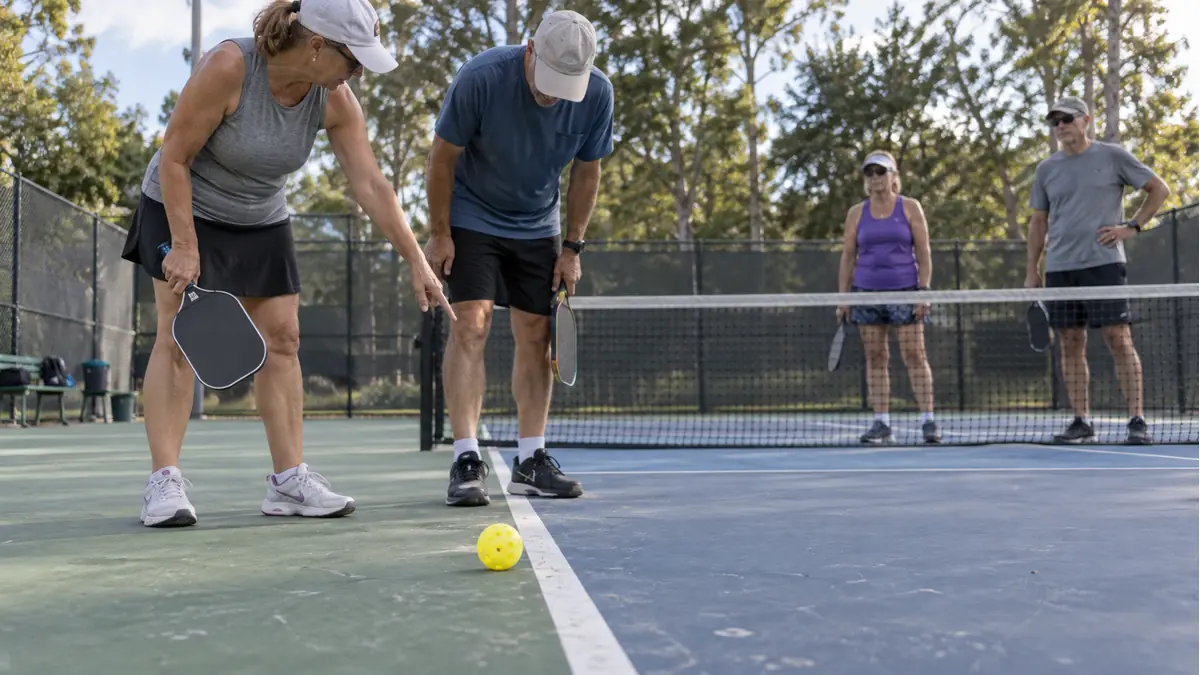
A clear line has been drawn on when an out call can be made. If you have returned the ball, the out call counts only if it is made before your opponent hits the ball next, or before the ball becomes dead. The change removes the ambiguity of claiming a ball was out after the rally has ended. For the basics of in and out, seeHow Line Calls Are Judged.
4. Calls and etiquette: a split call is in, and asking spectators is banned
The etiquette side of self-officiating has been tightened as well. In doubles, when partners disagree on a call, the ball is automatically treated as in. If one says out and the other says they did not see it, the call goes to in, in the opponent's favor. Asking spectators or bystanders for help with a line call has also been upgraded from "should not" to "must not," and can now draw a warning or a penalty.
5. Smaller changes worth remembering
The details have been tidied up too. Knowing them keeps you from hesitating over a call.
- Net post: If a ball you hit bounces legally in the opponent's court and then hits the net post, the point goes to the player who hit it (previously it was treated as a dead ball).
- Double hit: Within a single continuous swing in one direction, touching the ball three or more times is not a fault. If the swing stops or changes direction, it is a fault as before.
Practical points for playing in Japan
Rule revisions may look like something that concerns only pros and official tournaments, but knowing them helps on court. Everyday socials still use the traditional side-out format, so start by making first to 11, win by 2 second nature. When you enter a tournament, always check the regulations to see whether it uses rally scoring. For an overview of faults, seethe faults players trip over mostis also worth a look.
Summary
The 2026 revisions centered on making rally scoring "a point is always a point," along with clearer wording on serve spin, out calls, and etiquette. Your everyday play will not change overnight, but if you enter tournaments, checking the scoring format is essential. For the full picture of the rules, seeWhat Is Pickleball? Rules, Gear, and How to Get Started.
FAQ
Q1: Will everyday play switch to rally scoring from 2026?
A1: No. Whether rally scoring is used is left to each tournament or event. Most recreational play and socials use the traditional side-out format (first to 11, win by 2), and adoption differs from tournament to tournament.
Q2: What is the difference between rally scoring and side-out scoring?
A2: With side-out scoring, only the serving side can add a point. With rally scoring, the side that wins the rally scores no matter who served, and in the 2026 edition the final point is treated the same way.
Q3: Is it all right to put spin on the serve?
A3: Spin created by the motion of the paddle is allowed. Applying spin with your fingers or hand at the moment you release the ball is prohibited.
Q4: How soon do I have to call a ball out?
A4: If you have returned the ball, you need to call it before your opponent hits the ball next, or before the ball becomes dead. Claiming a ball was out after the fact is not accepted.
Q5: What happens if my partner and I disagree on a call?
A5: The ball is automatically treated as in. In the spirit of fair play, any call you are unsure about goes to the opponent.
Related Articles Worth Reading
- How to Keep Score in Pickleball | The Meaning of 0-0-2, Too
- Pickleball Serve Rules | The Basics of the Underhand Serve and Faults Explained
- What Is the Pickleball Two-Bounce Rule? The Basics and Common Misunderstandings
- The complete guide to the kitchen rule: how to avoid faults
- What Is Pickleball? A Beginner's Roundup of the Rules, Gear and How to Start
Reference Links
Related Articles