この記事の要点
- [PR] This article uses an affiliate program (Amazon Associates).
- ピックルボールを始めるとき、最初の相棒になるのが「 パドル 」です(テニスのラケットにあたる用具で、ピックルボールではパドルと呼びます)。
- この記事は、ショップの販売ページではなく、公開スペックと利用者の評判を整理する専門メディアの視点で、 パドル の選び方とおすすめを整理した「比較ハブ」です。
[PR] This article uses an affiliate program (Amazon Associates).
When you start pickleball, the first partner you get is the "Paddles" (the piece of gear that corresponds to a tennis racket; in pickleball it's called a paddle). However, the market is crowded with dozens of brands like JOOLA, Selkirk, and CRBN, and prices range widely from the 3,000-yen level to over 40,000 yen, so the more of a beginner you are, the more you tend to agonize over "which one to choose."
This article is a "comparison hub" that organizes how to choose and what to recommend, from the perspective of a specialist media outlet that organizes public specs and user reputations—not a shop's sales page.PaddlesIt guides you to the best paddle by level, play style, and budget, and since each brand links to an individual review article, you can dig straight into any model that catches your eye.
Basic knowledge of pickleball paddles
Before getting into how to choose, let's grasp what kind of gear a paddle is and what governs its performance. Understanding this completely changes how you read a spec sheet.
What is a paddle? Its difference from a racket
A paddle is a board-shaped piece of gear like an enlarged table tennis racket. When the sport began in the U.S. in 1965, wooden gear like table tennis rackets was used, but now lightweight, high-rebound composite materials are the mainstream. Unlike tennis, there are no strings, and it's characterized by a feel of "carrying" the ball on the face rather than "popping" it. Without the trampoline effect of strings, your own power and control are reflected directly. The rules and basics are also explained in therules and play guide.
The three factors that decide a paddle's performance
- Surface material (face): The current mainstream is carbon. A rough "Raw Carbon" surface makes it easier to apply spin and is favored by control-focused players. The differences by core material are covered in detail in thepaddle core material comparison.
- Weight: Generally about 200 to 240 g. Lightweight favors handling and heavy favors power; the effect on your hitting style is summarized inheavy paddle vs. light paddle.
- Grip size: If it doesn't fit your hand, your grip and wrist range of motion change, directly affecting control and fatigue. When it wears out, you can adjust the grip feel withgrip tape replacement.
How to choose a pickleball paddle by level
A paddle that suits you is a shortcut to improvement and also helps prevent wrist and elbow injuries. Let's look at it by level. If you want to know the basics all together, check out thecomplete guide to choosing a paddletoo.
How to choose for beginners
- Choose lightweight to mid-weight (about 210–220 g): It has good handling and is easy to swing through even before your form is set. A too-heavy paddle can cause wrist pain.
- Choose composite material (carbon / fiberglass): Wood is cheap, but it's heavy and the vibration resonates in your hand, so if you're continuing as a sport, composite material is a safe bet.
- Keep the price within reason: You don't need a high-priced model from the start. For a value-focused approach, theguide to the best-value paddlesis a good reference.
How to choose for intermediate and advanced players
- Choose by play style: Aggressive power players suit a slightly heavier, thinner core, while control-focused touch players suit a thicker core or a surface with high spin performance.
- Balance and core thickness: Top-heavy is superior for power, head-light for volley handling. Generally, a 16 mm thickness is control-oriented, and around 13 mm is power-leaning.
- If you have official tournaments in view, check the certification: Whether it's usable in tournaments can be confirmed in theUSA Pickleball認証基準andofficial-match paddle guide.
We've summarized specs that pair well with each play style in an at-a-glance table. Use the one closest to your tendencies as a guide.
| Play style | Weight guideline | Core thickness | Well-paired surface |
|---|---|---|---|
| Power-focused (drives) | Somewhat heavy (around 225 g and up) | Around 13 mm (thin) | Carbon that produces rebound |
| Control-focused (dinks) | Light to medium (210–220 g) | Around 16 mm (thick) | Matte, grippy control types |
| Spin-focused (cut, topspin) | Medium | 14〜16mm | Rough Raw Carbon surface |
| All-round / beginner | Light to medium (210–220 g) | 16mm | Easy-to-handle composite material |
Major brands and their features
We introduce the major brands used worldwide, along with their features. Since each brand links to an individual review article, read and compare any model that catches your eye. For a cross-cutting comparison, see themajor brand comparison guide. First, grasp the big picture with the table.
| Brands | Strengths | Price range guideline | For people like this |
|---|---|---|---|
| JOOLA | Both spin and power, and a broad lineup | 10,000–40,000 yen | From a first serious paddle to competitors |
| Selkirk | Proprietary core tech, design, and warranty | 20,000–40,000 yen | Intermediate-advanced players particular about their paddle |
| CRBN | Raw Carbon's strong spin | 20,000–30,000-yen range | Those who want to make spin their weapon |
| Onix | Value and an honest feel | Around 10,000 yen and up | Entry to intermediate |
| Vatic | High-value carbon models | Around 10,000 yen | Those who want both performance and price |
| Franklin | Low price, color options, and availability | From the 3,000-yen range | Those who just want to start easily |
| Head / Wilson | Tennis-derived stability | 10,000–20,000-yen range | Those with racket-sport experience |
Price ranges vary by model, exchange rate, and sales channel, so treat them as guidelines. Below, we dig into the major brands individually.
JOOLA
JOOLA, world-famous in table tennis, is now a brand that boasts high popularity in pickleball too. The signature model of a top-world-rankedBen Johnsplayer became a huge hit, and it has a solid reputation for its balance of spin and power. Spanning a wide range from entry to pro grade, it's a brand that's easy to choose as a first paddle too. For a comparison with CRBN, seeJOOLA vs. CRBN comparison, and for organizing the types, head to theJOOLA paddle type guide.
Selkirk
Known as a premium brand from the U.S., its appeal is proprietary technologies like hollow-core technology and aerodynamic design. It also has a solid reputation for its high design quality. The differences by model are organized in theSelkirk model-by-model comparison (Vanguard, Luxx, Amped).
Carbon types like CRBN, Onix, and Vatic
There's a rich range of carbon-type options: CRBN, highly rated for Raw Carbon's spin performance; Onix, a value-entry staple; and Vatic, a value model you can buy from Japan. The features of each model can be confirmed in theCRBN spin performance review、Onix Graphite review、Vatic Pro buying guide, respectively.
Prestigious tennis and long-established brands (Head, Wilson, Franklin)
Head and Wilson, known for tennis, have fully entered pickleball too, offering stable models that make use of racket-sport expertise. The long-established Franklin is a brand often chosen as a first paddle for its value and color variations. For details, see theHead Radical Pro review、Wilson paddle guide、Franklin brand overview.
Other notable brands (Engage, Paddletek, Gearbox, and more)
Beyond the above, the options are expanding, with Engage's rich model lineup, Paddletek known for its pro signature models, and Gearbox with a solid reputation for durability. The features of each can be confirmed in theEngage model-by-model comparison、Paddletek's pro-used models、Gearbox durability testing. In the value tier that's easy to buy from Japan, emerging brands like VNi are also increasing, and their capability is tested in theVNi paddle review.
Understanding a paddle's materials and technology
What decides performance is the "surface material (face)" and the "internal structure (core)." Grasping this raises the precision of finding the paddle that suits you.
The advantages of carbon fiber
- Lightweight and high-strength: Being light and high in strength, it's superior in handling during quick volley battles.
- Durability: The surface is resistant to wear, maintaining performance for a long time.
- Spin and feel: The roughness of "Raw Carbon" generates strong spin. The way you feel the impact changes with the weave and the combination with the core, and depending on the model, some feel lighter on the hand and elbow.
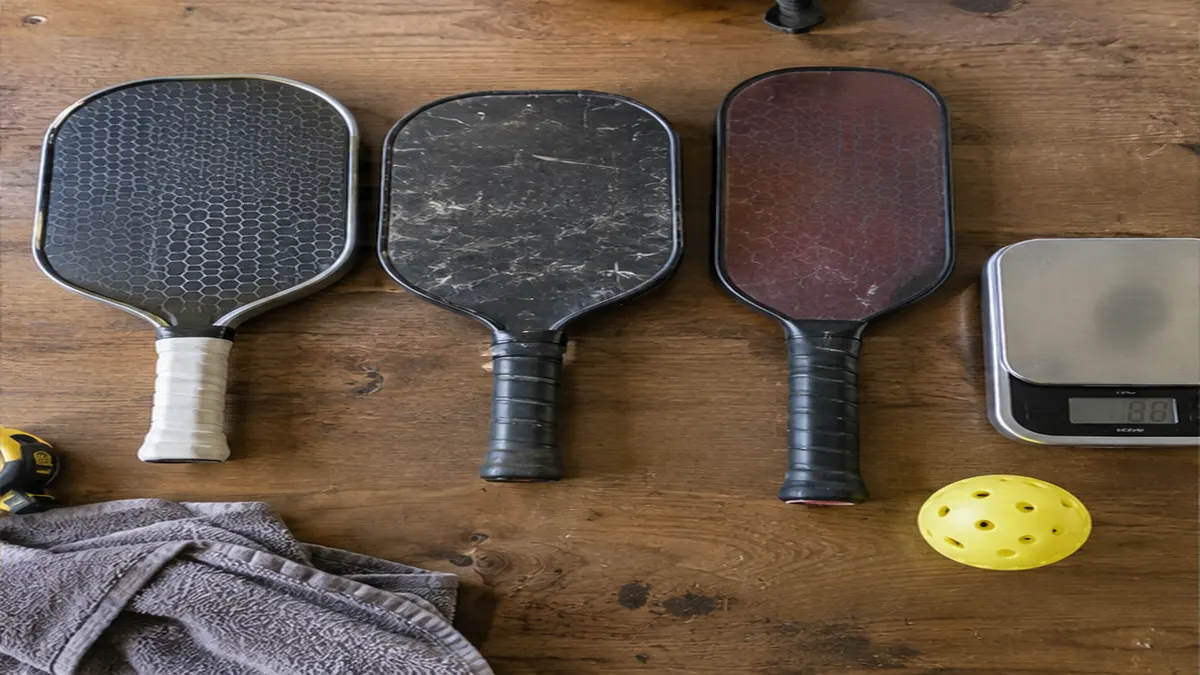
Honeycomb core and core thickness
The paddle interior is mainly a honeycomb-shaped "honeycomb structure," mostly made of polypropylene. The hollow structure achieves both lightness and strength, and it pops the ball back with moderate flex at impact. A core thickness of around 16 mm is shock-absorbing and control-leaning, while around 13 mm is rebound and power-leaning. Beginners will find the easy-to-control thicker core easier to handle.
Recommended paddles by use and budget
[Ad] The following contains Amazon Associates affiliate links.
Those who want to start with a focus on value
For people who "want to avoid being penny-wise and pound-foolish but start affordably first," an entry model with a polypropylene honeycomb core is a good target. For a concrete selection, seeguide to the best-value paddles.
Trial 2-paddle set
VINSGUIR Pickleball Paddles 2-Pack
First get two and start from experience. With a carry bag, it's an entry set that's easy to start with family or friends.
ブランド入門(USA Pickleball承認)
Diadem Rush Pickleball Paddle 16mm
USA Pickleball承認・軽量の入門ブランドモデル。お試しから一歩進めて、認証パドルを手頃に試したい人に。
Those seriously aiming to improve or compete in tournaments
If you seek spin performance and a wide sweet spot, high-end options like JOOLA's Ben Johns series and Selkirk's Luxx and Vanguard are candidates. Right now, "thermoformed" paddles molded in one piece to the edge are trending, improving power and durability. For the design philosophy of pro-used models, see thePaddletek pro model overviewis also helpful.
A staple for tournaments and serious players
JOOLA Ben Johns Perseus 3S (UPA-A/USAP Certified)
A high-end paddle crafted by pro Ben Johns. With its wide sweet spot and feel, it's a staple for those seriously aiming at tournaments.
The gateway to high-end
Selkirk SLK Helix Pro (thermoformed carbon)
With a thermoformed carbon face, it achieves both rebound and durability. A popular model that serves as the gateway to high-end.
Those who want to make spin their weapon
If you use a lot of cut and topspin, Raw Carbon types where the surface texture works. For testing of spin performance, theCRBN spin reviewis concrete.
Spin with Raw Carbon
CRBN Power Series Pickleball Paddle
With an unfinished carbon surface, it achieves both spin and power. The series tested in the CRBN spin review mentioned in the text.
Spin x control
Vatic Pro Prism Carbon Fiber 16mm
With foam-injected walls plus unfinished carbon, it's for those who want to strike a balance between spin and control.
Maintenance to make your paddle last
Care after use
- Wipe the surface: Sweat, sand and dust, and ball shavings lower spin performance. Gently wipe it off with a firmly wrung-out microfiber cloth.
- Inspect the edge guard: Check for surface texture wear and cracks in the rim, and if it starts to lift, repair it promptly.
- Keep the grip clean: Grip tape is a consumable. When it gets slippery or smelly, rewrapping it with an overgrip keeps the grip feel and hygiene.
Points to note for storage
- Avoid high heat and direct sunlight: The honeycomb core is weak to heat, and leaving it in a car in summer causes core delamination and dead spots.
- Avoid moisture: To prevent mold and off-odors, store it in a well-ventilated place.
- Put it in a cover: When carrying it, use a dedicated cover or case to prevent contact scratches with other gear.
Pickleball paddle price ranges
For beginners (about 3,000–7,000 yen)
Many entry models are in this price range. Wood is even cheaper, but if you're enjoying it as a sport, go with composite material. With a set product of two paddles plus balls, splitting it with a friend to start is one option. For a guideline on total costs, seethe beginner's cost guide.
For intermediate to advanced players (about 10,000 yen to 30,000–40,000 yen)
High-end paddles are in this price range. Many models use technologies like high-quality carbon and thermoforming, making it easier to feel differences in the width of the sweet spot and the feel. Their appeal is a design that answers fine needs like spin and power.
Where to buy? How to choose where to purchase
When buying online
- Choose a trustworthy specialty store: Pickleball specialty online stores have a rich selection and tend to stock the latest models quickly.
- Check the reviews: Comments about "grip thickness" and "actual measured weight (deviation from the catalog value)" are worth checking. Use this site's model overviews as a judgment aid too.
When buying at a physical store
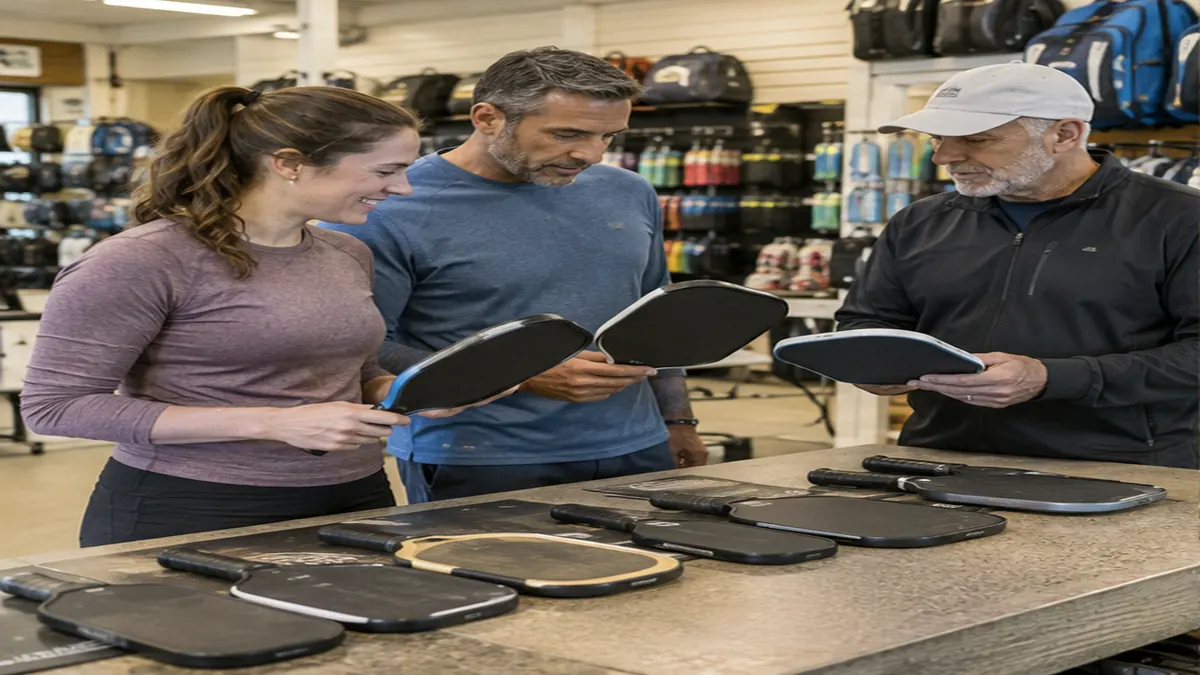
- You can hold and check it: It's increasingly carried at some tennis shops and large stores. The advantage is that you can check the weight and grip feel.
- You can use it that day: If it's in stock, take it home and hit the court right away. You don't have to worry about shipping fees either.
A paddle's features seen through its differences from other racket sports
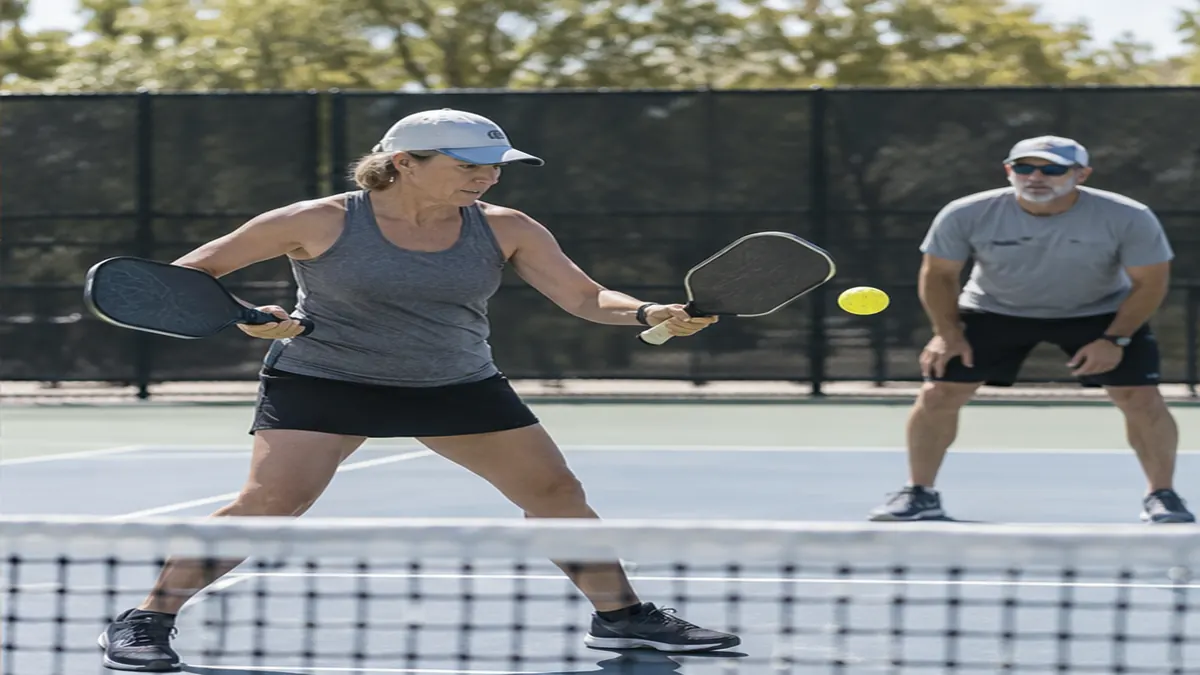
A paddle's character becomes vivid when compared with other sports. Tennis makes the ball fly with the trampoline effect of strings, but a paddle hits with a board, so force is transmitted directly, and since it's short, it's easy to control with a palm-like feel. Table tennis generates strong spin with rubber, but a paddle applies spin with the surface material and a brushing technique, since it has no rubber. Whereas badminton is mainly wrist snap, a paddle is basically hit by stabilizing the face. This "doesn't fly too much, doesn't spin too much" balance is why everyone from beginners to advanced players can enjoy rallies. For details on the differences, see thecomparison with tennisanddifference from badminton.
Summary: How to find the paddle that suits you
A paddle is a partner that supports your play. Beginners should start with "a light, easy-to-handle, affordable composite paddle." Once you improve and feel "I want to apply spin" or "I want more power," consider a carbon-type high-end paddle from JOOLA or Selkirk (such as a 16 mm core). Check the features of any model that catches your eye in each overview article, and choose the paddle that suits your level and play style.
This site is a participant in the Amazon Associates Program, an affiliate program designed to provide a means for sites to earn referral fees by advertising and linking to Amazon.co.jp.
確認した一次情報
Related Articles Worth Reading
- Heavy Paddle vs. Light Paddle | How Weight Affects Your Hitting Style Explained
- How to Replace the Grip Tape on a Pickleball Paddle | Choosing the Wrap and the Material
- The Best-Value Pickleball Paddle Selection Guide | Recommendations for Beginners
- The Complete Guide to Choosing a Pickleball Paddle | Material, Weight and Grip
- Solving Your Pickleball Paddle Questions | Explained in Depth in FAQ Form
Related Articles