この記事の要点
- 「パドルの手入れって何をすればいいの?
- ピックルボールパドルのメンテナンスは、難しいことはありません。
- とくにカーボンファイバーやグラファイト表面のパドルは、汚れの蓄積がスピン性能の低下に直結します。

"What should I do for paddle care?" "Where should I store it?" "What are the signs of end of life?" Among the questions surrounding pickleball paddles, especially common are those aboutmaintenance and storage.This article resolves common questions all in one place, from daily care to make your paddle last, grip replacement, and correct storage methods, to signs it's time to replace. Use the one you carefully chose in the best condition for a long time.
Daily maintenance [quick-reference table]
Pickleball paddle maintenance isn't difficult. First, grasp what to do in a list.
| Timing | What to Do | Point |
|---|---|---|
| Every time (after use) | Wipe off surface dirt and sweat | Dry-wipe with a soft cloth. Leaving dirt lowers spin performance |
| When dirt is noticeable | Light cleaning | Gently wipe with a cloth dampened with a little water. Avoid detergent and washing with water |
| Regular check | Check the grip's condition | If it's slippery or worn, replace the grip tape |
| At storage | Put it in a case or cover | Avoid high heat, high humidity, and loads; keep it in a well-ventilated shade |
Tips for surface cleaning
For carbon-fiber or graphite-surface paddles especially, the buildup of dirt directly lowers spin performance. The roughness of the surface is an important element that bites the ball and produces spin rate (rpm). Just making dry-wiping after use a habit keeps the spin working for a long time. Use a soft cloth such as microfiber, and avoid abrasive cleaners and scrubbing hard, which damage the surface. Cleaners for carbon surfaces are sold, but at first dry-wiping plus wiping with water is enough.
NG maintenance people tend to do
The NGs people tend to do with good intentions are washing the whole thing in water, drying with high heat, and wiping with detergents or alcohols not recommended by the maker. Many makers advise care with "water and a soft cloth," and caution against household cleaners, submersion, and extreme high heat. Remember that for dirt the basic is "wipe with a lightly dampened cloth, then dry-wipe right away."
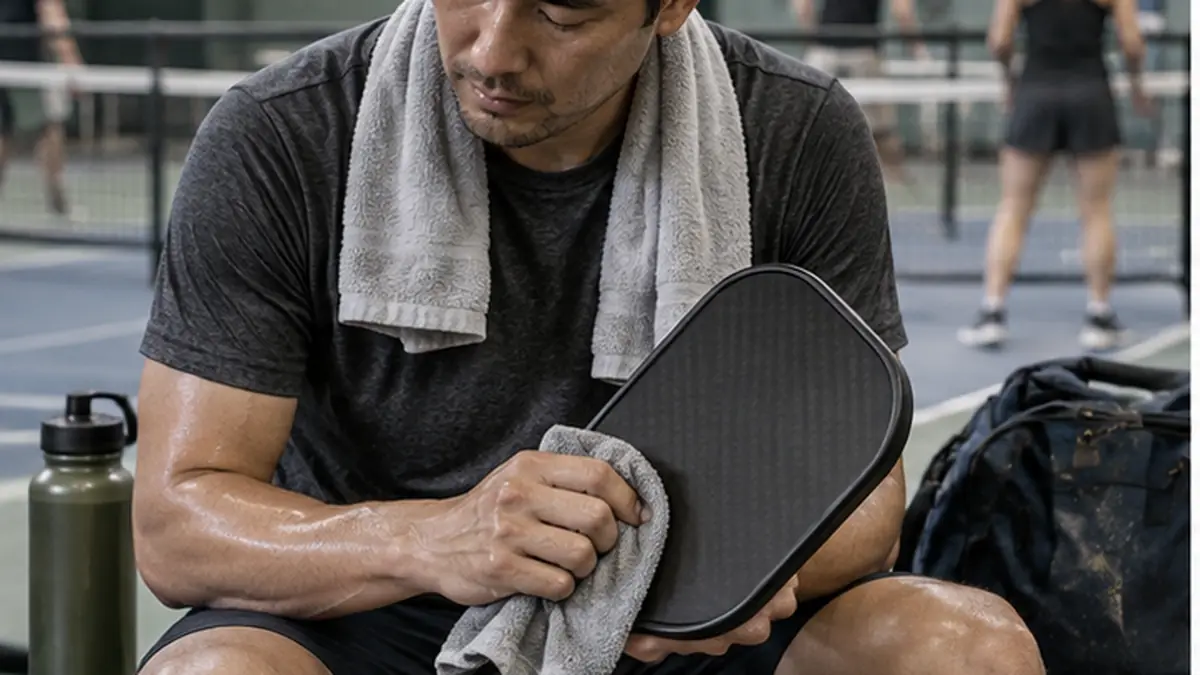
Care after use [3 steps]
This is the basic care procedure you can do in one minute before leaving the court.
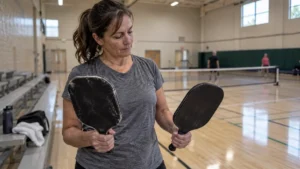
Wipe sweat, skin oil, and court dust off the paddle surface with a soft cloth. For stubborn dirt, clean gently with a cloth dampened with a little water.
Quickly check for chips or lifting of the edge guard and wear of the grip. Early detection of problems is the trick to making it last.
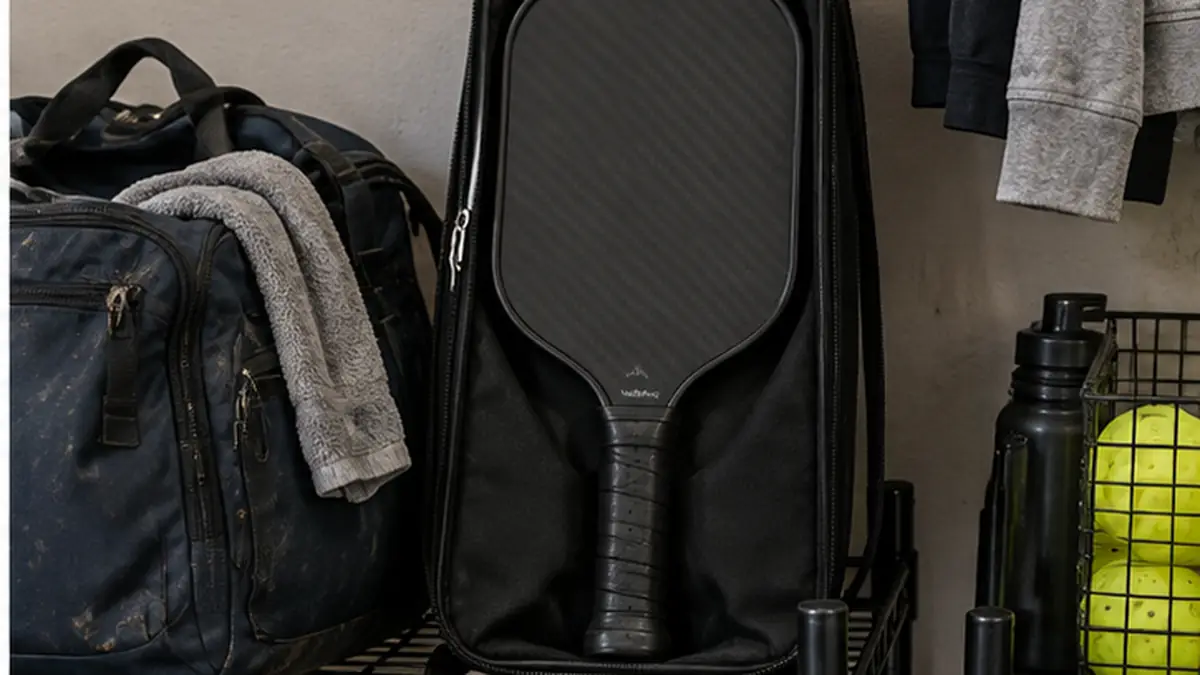
Putting it bare into a bag damages it through contact with other belongings. Protect it by putting it in a dedicated case or cover.
When to replace the grip tape
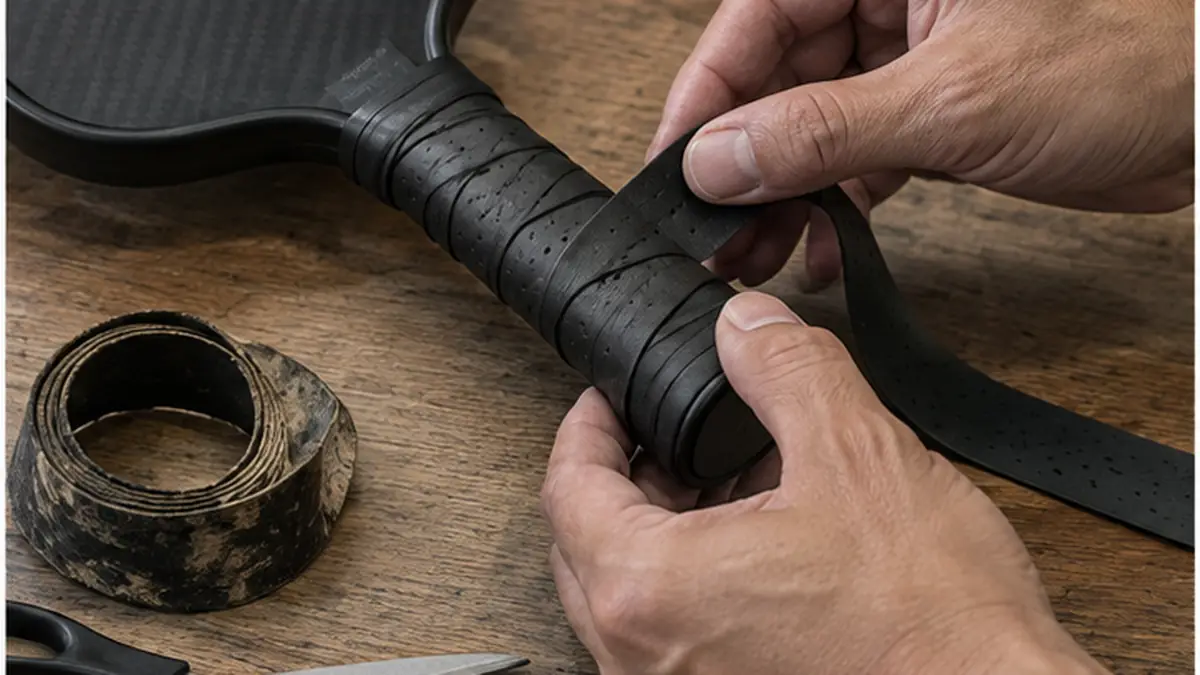
The grip is a consumable.When you see it become slippery or worn,replace the grip tape. Using it while degraded can cause the paddle to slip out of your hand and break, and there's also a danger of hitting people around you.
The replacement guide depends on play frequency, but for someone who plays 2–3 times a week, once every few months is the guide. For how to wrap it and how to choose the material,Explanation of how to replace grip tapeis introduced in detail.
Storage method: a spot that doesn't shorten the paddle's life
The storage environment greatly influences the paddle's life. Avoid the following places.
- Places that get hot, such as under blazing sun or a car trunk (a cause of deterioration and degradation)
- Humid places (they speed up material degradation)
- Under heavy objects or places where load is applied (a cause of deformation and breakage)
Recommended storage method
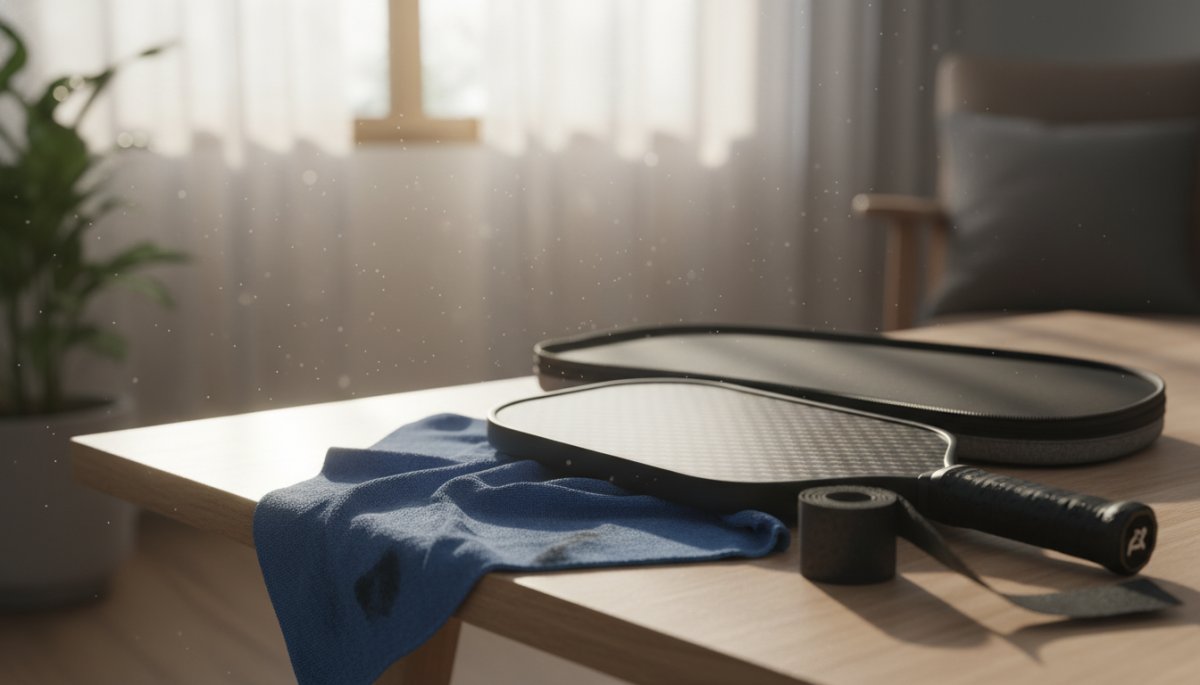
We recommend putting it in a dedicated paddle case or cover and storing it in a well-ventilated shade. Leaving it in a car in summer especially is strictly forbidden, as it gets hot even in a short time. For case selection,Guide to choosing a bag or caseis a good reference.

"Wipe it after use, put it in a case, don't leave it in the car." Just keeping these three visibly changes your paddle's condition.
Things you must not do and safety cautions
Don't modify the paddle. It causes breakage. Also, when you hear thunder or a thunderstorm advisory is issued,immediately stop playand take shelter indoors. It's an ironclad rule common to outdoor sports.
In the unlikely event the paddle breaks, you need to be careful not to touch the broken part. The fracture surface of carbon can become sharp and is dangerous. For consultations about breakage, contact the shop where you bought it, a specialty store, or the maker's help desk.
The paddle's lifespan and signs to replace
Even with proper maintenance, a paddle is a consumable. When signs like the following appear, consider replacing it.
| Sign | Condition |
|---|---|
| Change in the sound and feel of the hit | It sounds dull, or you feel reduced bounce or uneven feel |
| There's a dead spot | Only part of the face loses bounce and stops driving the ball |
| Surface wear | The roughness disappears and spin becomes hard to apply |
| Edge or internal damage | Cracks, chips, or lifting are visible |
Tips to extend the lifespan
To extend the lifespan, in addition to daily care and storage, a little contrivance in how you use it also works. Don't push off the ground with the paddle to stand up, don't use the paddle to pick up balls, don't leave it on a bench but put it in a case — each is a small thing, but they reliably reduce edge and surface wear. People who play many days a week can rotate two paddles, which reduces the burden per paddle and makes it easier to notice changes in condition.
Lifespan varies greatly with play frequency and storage environment, but changes in "sound" and "bounce" are the easiest judgment factors. When replacing,the complete guide to choosing a paddleandA cost-performance-focused curated guide.
Questions about material, weight, and approval in specialized articles
For questions about how to choose the paddle itself, there are specialized explanatory articles for each. Reading them together deepens your understanding.
- Difference in material and core:A thorough comparison of core materials (polymer, Nomex, aluminum)
- How to choose the weight:the paddle weight guide
- Whether it can be used in official tournaments:the explanation of approved paddles and USA Pickleball certification
The characteristics of each maker are also of interest, but for paddles from any maker — Selkirk, Diadem, YONEX, and others — the basics of care and storage introduced in this article are shared. A pickleball paddle's longevity changes greatly depending on maintenance. If you bought it at a specialty store, consulting the store's staff about care products and grip replacement is also a good idea.
FAQ
Can I wash the paddle with water?
Avoid washing the whole thing in water. Many makers advise the method of "wiping with a soft cloth dampened with a little water, then dry-wiping right away." Household cleaners, submersion, and drying with high heat cause degradation.
How long is a paddle's lifespan?
It varies greatly with play frequency and storage environment, so it can't be said flatly. When changes in the sound and feel of the hit, reduced bounce, dead spots, or surface wear appear, that's the sign to replace.
Is it okay to leave the paddle in the car?
It's not recommended. A car interior in summer especially gets hot in a short time, causing deterioration and degradation of the core and adhesive layers. Put it in a case and store it in a well-ventilated shade indoors.
How often should I replace the grip tape?
It depends on play frequency, but for someone who plays 2–3 times a week, once every few months is the guide. If you feel it slipping or worn, replace it without waiting for the guide.
Summary: A pickleball paddle lasts long with maintenance
Pickleball paddle maintenance rests on three pillars: "wipe it after use," "replace the grip regularly," and "put it in a case and store it in the shade." Leaving it in a hot car and modifying it are strictly forbidden. When changes in the sound of the hit, dead spots, or surface wear appear, that's the sign to replace.
Small daily care keeps the feel of the hit and spin performance for a long time and, in the end, also boosts cost-performance. Starting on the way home from today's practice, first make dry-wiping and case storage a habit.
確認した一次情報
Related Articles Worth Reading
- How to Replace the Grip Tape on a Pickleball Paddle | Choosing the Wrap and the Material
- How to choose a pickleball bag or case | A storage guide that protects your paddle
- A Thorough Comparison of Pickleball Paddle Core Materials | The Differences Between Polymer, Nomex and Aluminum
- Heavy Paddle vs. Light Paddle | How Weight Affects Your Hitting Style Explained
- The Complete Guide to Choosing a Pickleball Paddle | Material, Weight and Grip
Related Articles