この記事の要点
- ピックルボールのボールは、屋外用(アウトドア)と屋内用(インドア)で大きく特性が異なります。
- 屋外用ボールは、風の影響を受けにくいように設計されています。
- 硬い素材のため打球音が大きく、スピードも出やすいのが特徴。
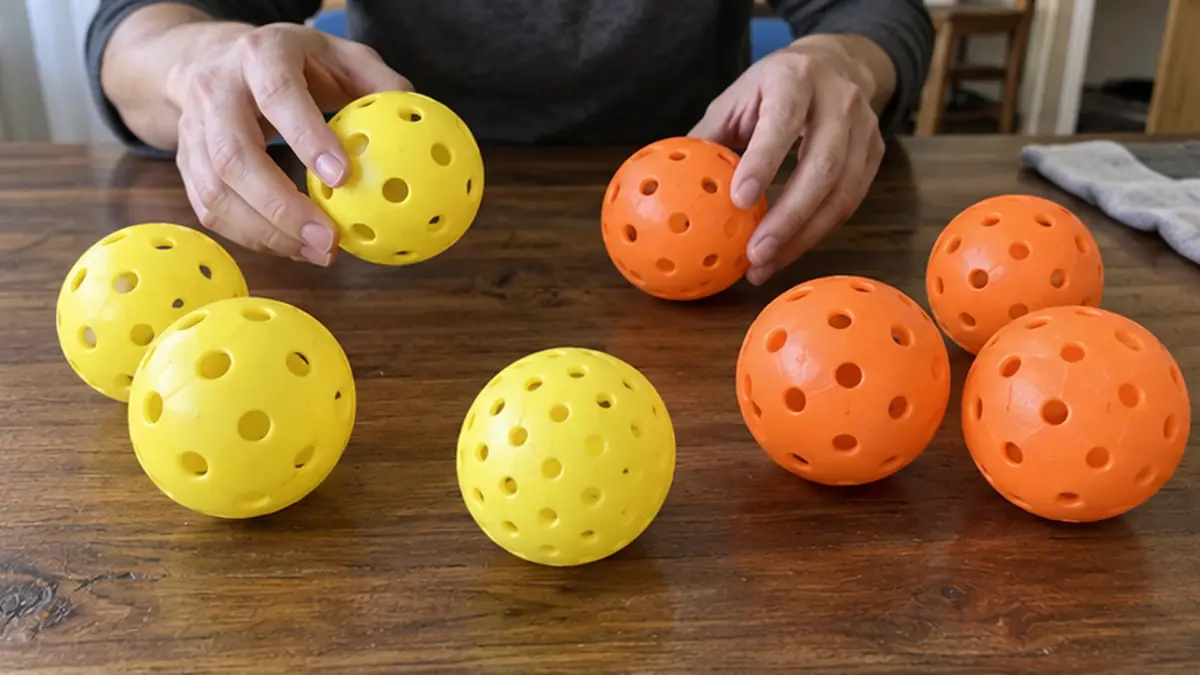
The differences between outdoor and indoor use
Pickleball balls differ greatly in their characteristics between outdoor and indoor use. Choosing a ball suited to the environment you play in is the first step to a comfortable game.
Outdoor balls
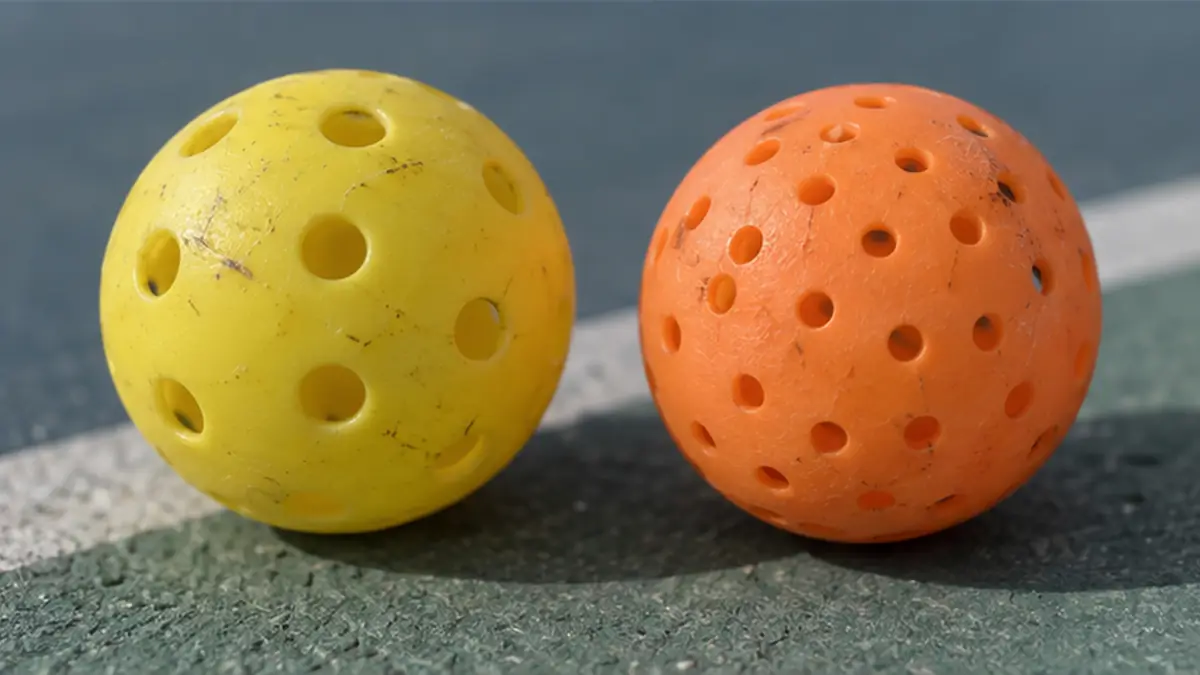
屋外用ボールは、風の影響を受けにくいように設計されています。40穴前後の製品が多いものの、穴数や硬さはモデルごとに異なります。屋外向けかどうかは製品表示で確認してください。
Because of the hard material, the impact sound is loud and speed is easy to produce. However, they crack easily from impact with hard court surfaces, and their lifespan tends to be shorter than indoor balls. They become especially prone to cracking in low temperatures, so caution is needed in winter.
Indoor balls
屋内用ボールは、26穴前後の製品が多いものの、穴数や素材はモデルごとに異なります。屋内向けの表示を優先してください。
Because of the soft material, the impact sound is quiet and the bounce is low. The speed is slower than outdoor balls, making for a control-focused game. Indoors, where there's no worry about wind, this lightweight, easy-to-handle ball is ideal. Its durability is higher than outdoor balls, and being crack-resistant is another merit.
A comparison of major brands' balls
Franklin X-40 (outdoor)
広く流通する屋外用ボールの一つです。大会の指定球や承認状況は変わるため、参加予定の大会要項とUSA Pickleballの最新承認リストを確認してください。
Onix Dura Fast 40 (outdoor)
USA Pickleball公認の屋外用ボールで、耐久性が高いことで知られています。やや硬めの打球感で、パワーヒッター好みのボール。多くのトーナメントで採用されてきた実績があります。
Onix Fuse (indoor)
A leading indoor ball. With soft, easy-to-control characteristics, it's ideal for gymnasium play. Its quiet impact sound also matches indoor environments.
JOOLA Ben Johns Ball (outdoor)
Ben Johns選手の名を冠したモデルとして流通した屋外用ボールです。現行販売や大会採用の状況は変わり得るため、購入前にメーカーと大会主催者の案内を確認してください。
Gamma Photon (indoor)
Gamma's indoor ball. A material made with a proprietary formula achieves uniform bounce and excellent visibility. Its vivid yellow-green color is a feature.
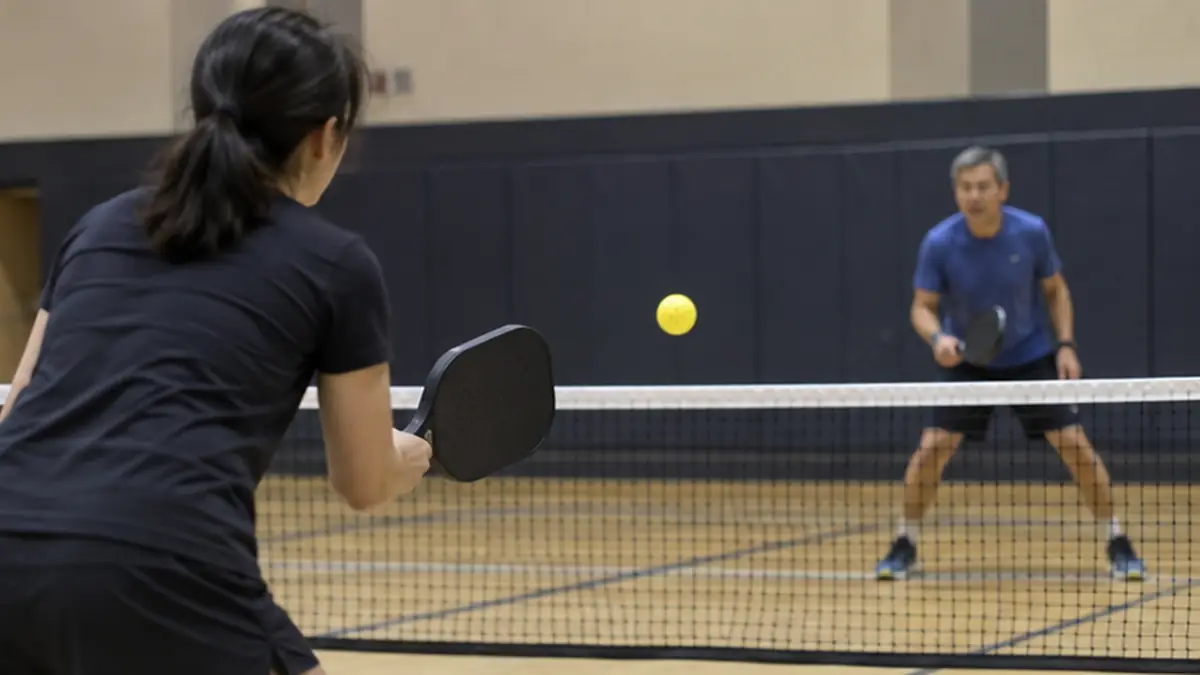
Points for choosing a ball
When choosing a ball, first check the play environment (indoor or outdoor). Using an indoor ball outdoors makes it drift greatly in the wind, and using an outdoor ball indoors can be dangerous as the speed gets too high.
次に考慮すべきは公認の有無です。大会参加を考えているなら、USA Pickleball公認のボールを使って普段から練習しておくことが大切です。公認ボールと非公認ボールでは飛び方やバウンドに微妙な差があります。
Price is an important factor too. Think of outdoor balls as consumables—buying in bulk is a good deal. Buying in 3-packs or 12-packs lowers the unit price.
A ball's lifespan and when to replace it
Outdoor balls give off a "the feel has changed" sign before they crack. The crisp feel when new becomes dull with use. Replace them immediately if visible cracks or deformation appear, but replacing them the moment you feel a change in feel is best.
Indoor balls last longer, but when the area around the holes deforms, the flight path becomes unstable. When you feel it's no longer flying uniformly, that's the time to replace it.
In any case, using separate balls for practice and matches is economical. A cycle of putting new balls into match use and rotating well-used ones to practice is recommended.
迷ったときは「使う場所」と「大会指定球」の順で選ぶ
最初に確認するのはブランドではなく、屋内か屋外かです。普段の練習場所に合う種類を選び、大会へ出る予定がある人だけ指定球・公認状況まで確認すると、必要以上に迷わずに済みます。
- 屋外中心:風に流されにくい屋外用を選ぶ
- 体育館中心:床や周囲の参加者に合わせて屋内用を選ぶ
- 大会練習:大会要項に指定球があるか確認し、同じ球で慣れておく
- 共同購入:色・硬さ・穴数が混在しないよう、グループで銘柄をそろえる
穴数や硬さは製品によって差があります。「屋外用は必ず40穴、屋内用は必ず26穴」と固定せず、商品表示と大会要項を優先してください。
確認した一次情報
Related Articles Worth Reading
- A Beginner's Guide to Pickleball | The First Gear to Get and How to Choose It
- How to Replace the Grip Tape on a Pickleball Paddle | Choosing the Wrap and the Material
- How to choose a pickleball bag or case | Recommendations chosen by storage capacity and functionality
- How to choose pickleball shoes without failing even as a first-timer | Tips for comfortable play
- How much does pickleball cost for beginners? A complete guide to initial and ongoing costs
Reference Links
Related Articles