What are pickleball's fault rules?
To enjoy pickleball comfortably, understanding the basic fault rules is essential.
This sport, blending elements of tennis, badminton, and table tennis, was born in the United States in 1965 and is now rapidly gaining popularity worldwide. The U.S. player population reached about 24.3 million in 2025, and enthusiasts keep increasing in Japan too. Its appeal is that anyone can enjoy it regardless of age or fitness, but on the other hand, there are several faults beginners tend to fall into.
Especially common are the three of non-volley zone violations, serve mistakes, and double-bounce rule violations. Understanding these correctly lets you cut faults and play smoothly, and enjoy the game more deeply. This article organizes the faults beginners tend to stumble over one by one, and explains up to the latest rule changes from 2026.
Faults beginners tend to stumble over [quick reference]
First, grasp the common faults and their key points from the table. Each section explains them in detail.
| Fault | When it becomes a fault |
|---|---|
| Non-volley zone violation | Volleying inside the kitchen / touching the line or zone from the momentum after a volley |
| Serve fault | Not underhand / contact point higher than the waist / a foot steps on the baseline |
| Double-bounce violation | Hitting the first two strokes after the serve without letting them bounce once |
| Line and call fault | Not calling out at once / asking spectators for the call |
Non-volley zone (kitchen) violation
What could be called pickleball's biggest feature is the non-volley zone rule.
What the non-volley zone is
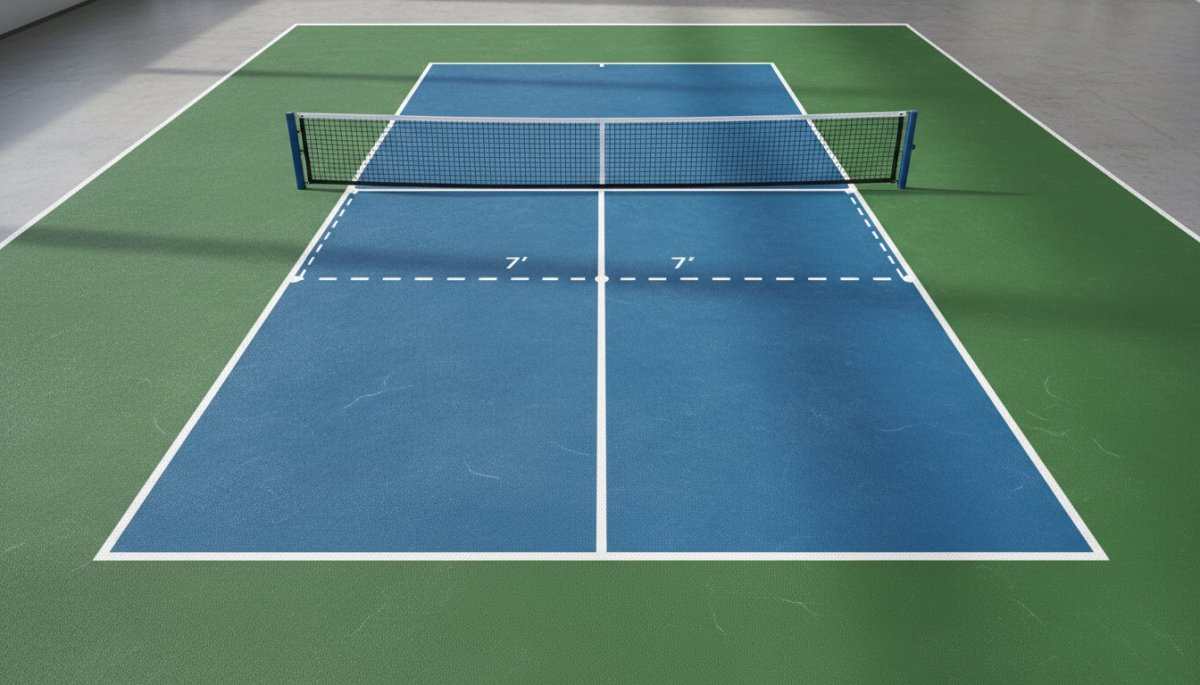
The non-volley zone is a special area commonly called the kitchen, set within 2.13 meters of the net.
Within this zone, hitting the ball directly (a volley) is prohibited. This is the core that creates pickleball's unique strategy. However, after the ball has bounced once, you are allowed to enter the kitchen and hit it. It is accurate to understand it not as a place you must not enter but a place where you must not volley.
Common violation patterns
What beginners are most likely to commit is a volley within the non-volley zone.
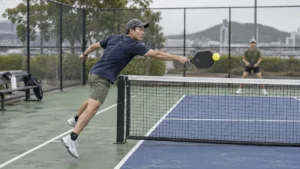
It becomes a fault not only when you enter the zone and hit. Stepping on the non-volley line, or having something you are wearing (clothing, a hat, etc.) or holding (a paddle, etc.) touch inside the zone including the line, is also counted as a violation. What you especially want to watch is the action after a volley. If the momentum of a volley carries you over so that you step on the line, or enter or touch the zone, that too is regarded as part of one continuous motion and becomes a fault. Even if the opponent's ball is out, it is a fault the moment you enter the zone after a volley.
Tips for preventing violations
Backing off too far out of fear of the kitchen actually puts you at a disadvantage.
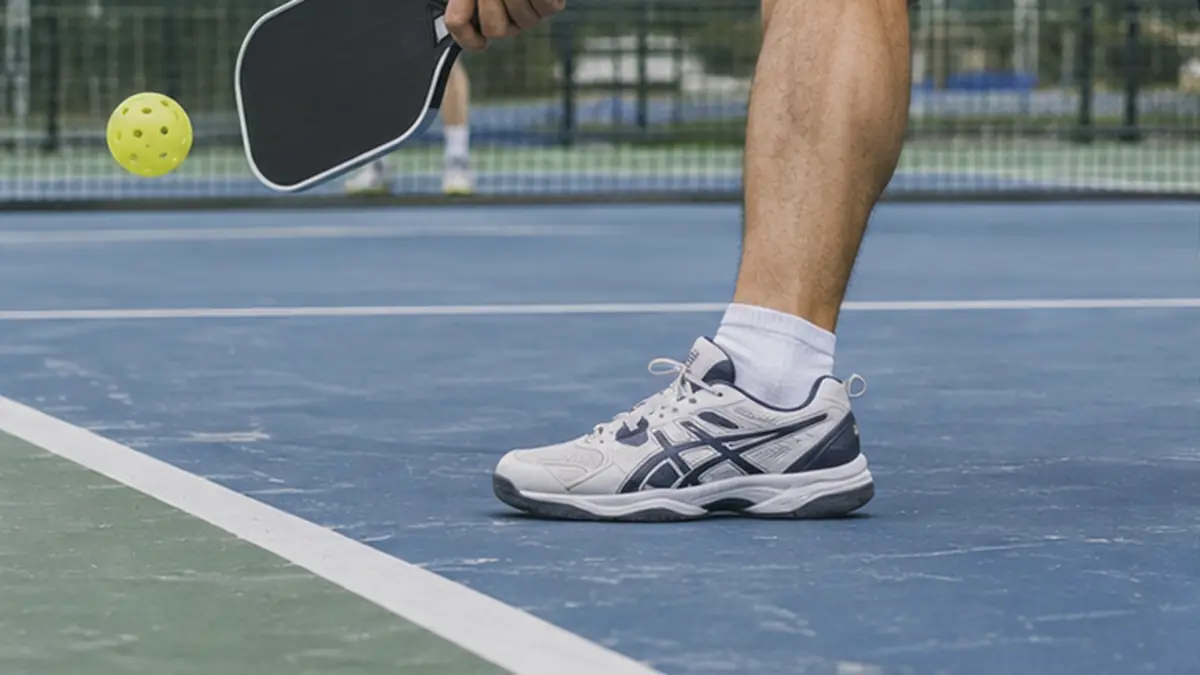
Even within the non-volley zone, you can hit if you let it bounce. But because a volley is easier to put away than waiting for the bounce, standing right at the edge of the non-volley line and, while keeping the rally going, waiting for the opponent's ball to float up and finishing with a volley is the thrill of this sport. When you volley, always confirm your feet are outside the kitchen line. For the basics of positioning, seenon-volley zone explanationandthe complete guide to the kitchen ruleas well.
Faults related to the serve
The serve is the important motion that starts a rally. There are rules for form and position, and mistakes here are also faults common among beginners.
The basic rules of the underhand serve
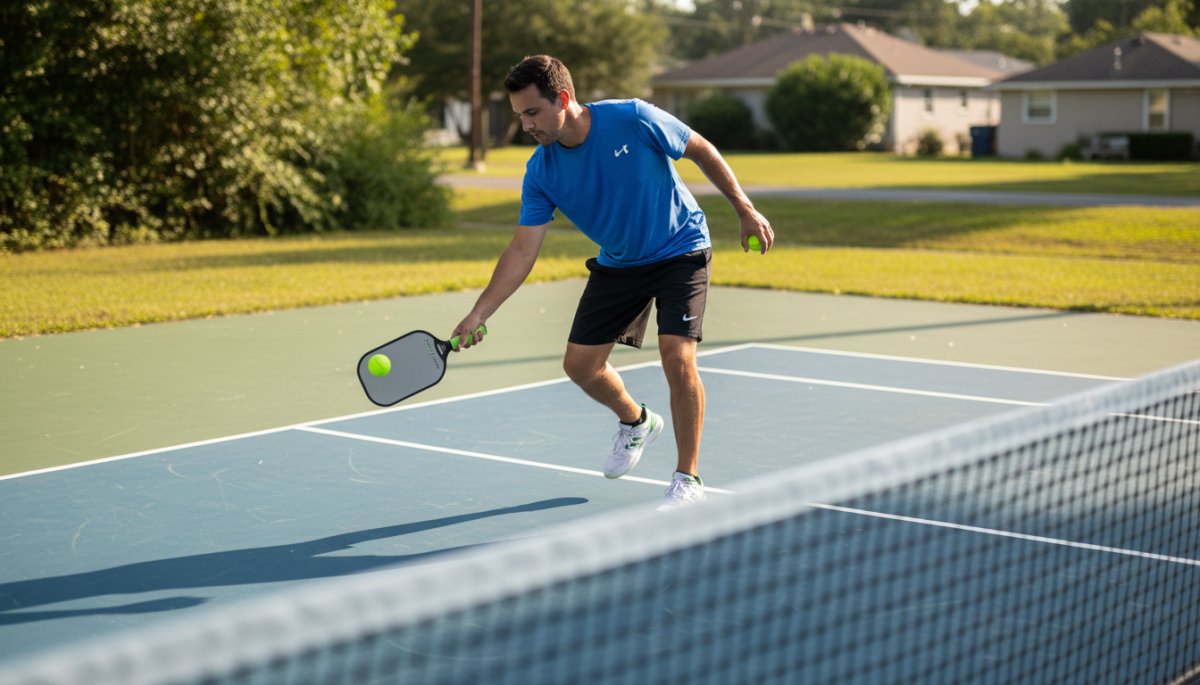
The pickleball serve is always done underhand.
At the moment of impact, the contact point must be lower than the waist (navel) and the paddle head must be lower than the wrist. Even if the wrist is below the waist, it is a fault if the paddle head is higher than the wrist. Note that with the drop serve provisionally introduced in 2021, since you drop the ball once before hitting, this contact-point restriction does not apply.
Serve position and entering the court
The serve is hit with one foot planted behind the baseline.
Until you hit the ball, neither foot may step on the baseline or enter the court. The serve is aimed at the diagonal court, hit so it crosses the opponent's non-volley line and lands in the area bounded by the baseline and sideline.
Only one serve
Unlike tennis, the pickleball serve is just once.
A fault moves the serve to the opponent (a side-out). Even if the serve touches the net, it is good if it lands in the valid area (the let has been abolished). Since there is no second chance as in tennis, getting it in reliably is important. For the basics of serving, seethe explainer on serve rulesis also worth a look.
Double-bounce rule (two-bounce rule) violation
A rule unique to pickleball that you must grasp is the double-bounce rule.
What the double-bounce rule is
The receiving side must let the serve bounce once before returning it. The serving side, too, must let that return bounce once before hitting it back.
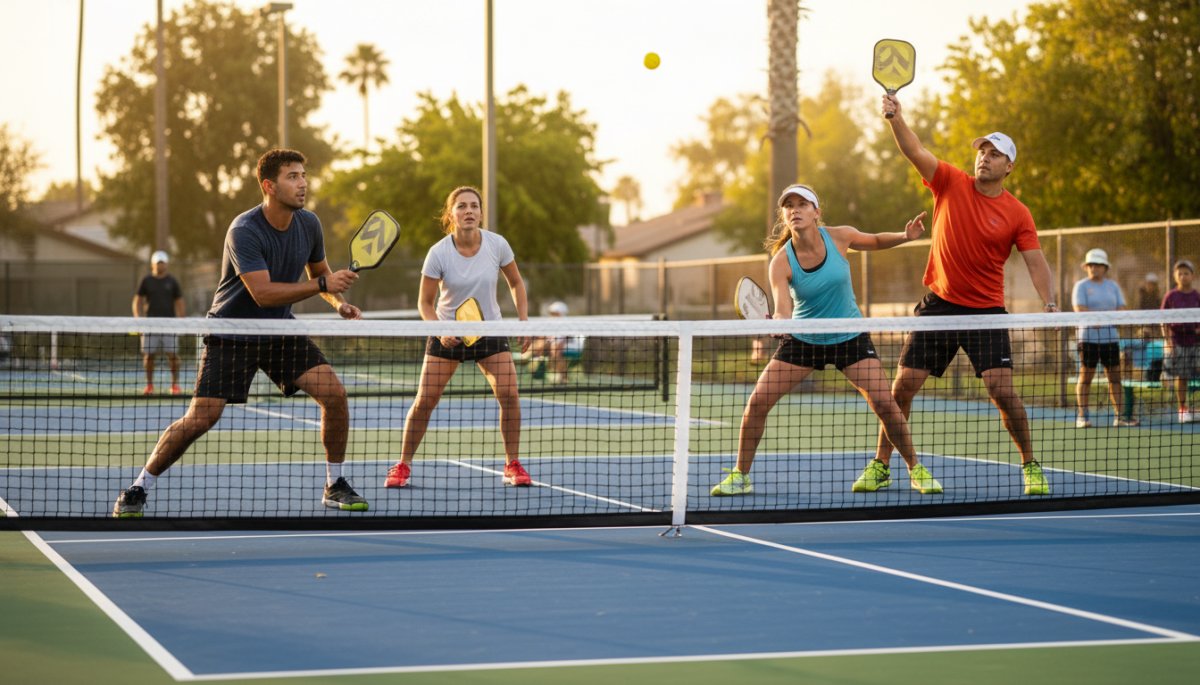
In other words, the first two strokes after the serve are always played on one bounce. This means you cannot rush the net right after the serve to attack, and rallies come to continue stably and long. The quick attack of a tennis serve-and-volley is shut out, and it is designed so everyone can enjoy a rally.
Points beginners easily get wrong
Those with tennis experience especially tend to be thrown by this rule.
You need to suppress the urge to rush forward right after the serve and volley, and always wait for two bounces. Learn with your body the flow that the first ball (serve) bounces, the second ball (return) bounces, and from the third ball onward you can hit without a bounce.
Practice methods to avoid violations
To ingrain this rule in your body, repetition is best.
Practice while repeatedly keeping in mind that the first two strokes after the serve are always let to bounce, and that volleying becomes possible only from the third stroke. Those with tennis experience pick it up faster by deliberately confirming out loud that they will wait for two bounces while playing.
Other fault rules worth grasping
Besides the three major faults, there are finer rules that cost you if you do not know them.
Ball contact with fixed objects
If a ball in flight hits a fixed object such as a net post or the ceiling, it becomes the opponent's point. Conversely, if it bounced correctly in the opponent's court before hitting a fixed object, it is the hitting player's point.
The timing of an out call
Immediately after the ball becomes dead (two bounces, or touched a player), you need to promptly call out. Drawing out the call until the next serve is not allowed. Delaying the call can result in the ball being treated as in.
Line-call rules
If the ball touches the line even slightly, it is in (safe). If the part the ball is touching is only outside the line, it is out. The closer the ball, the more you should judge by a clear standard. For the thinking on calls, seethe explainer on line judgingis a good reference.
Prohibition on consulting spectators
Asking spectators whether the ball is in or out is not allowed. The players and their partner need to judge for themselves, and advice from off the court may lead to a penalty.
Managing spare balls
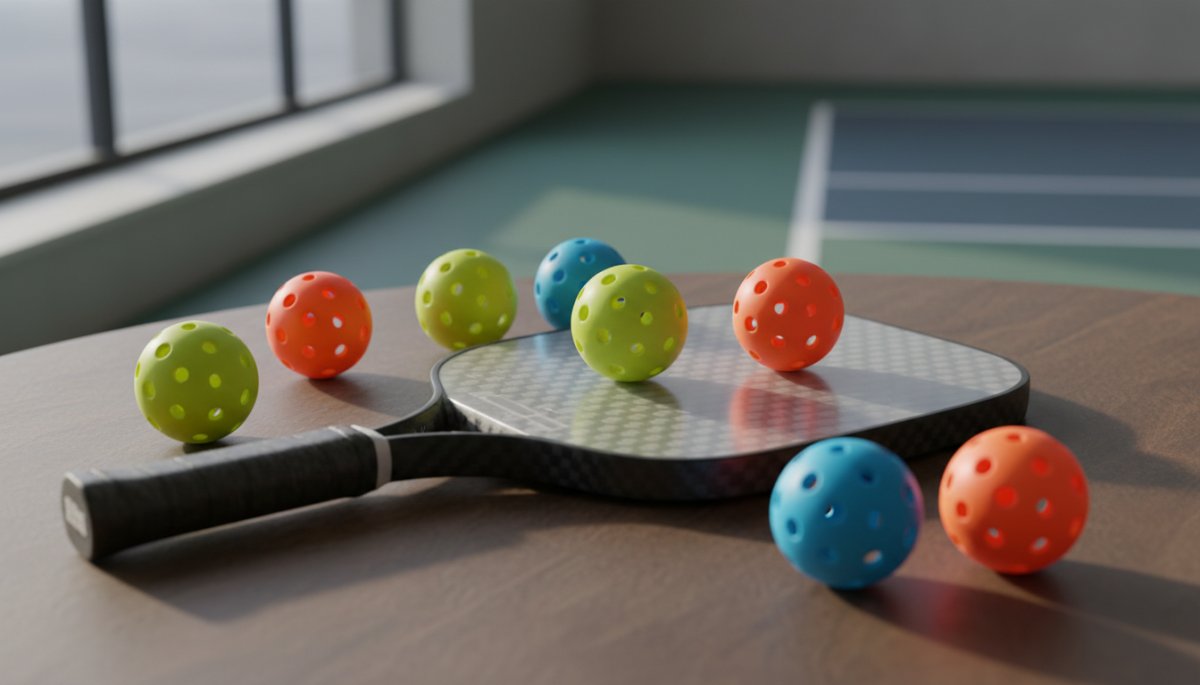
If you carry a spare ball in your pocket and the opponent can see it, you lose that point. This rule is meant to keep focus on the ball in play and prevent visual interference.
Main rule changes for 2026 [table]
The rules are reviewed every year. We have organized the main changes from 2026. The three basic elements (contact below the waist, the head lower than the wrist, a low-to-high swing) do not change, but judging has become stricter.
| Change | Details |
|---|---|
| Serve call | The referee can call an immediate fault on a serve that is clearly not legal |
| Spare ball | A fault if a spare ball in your pocket is visible to the opponent (including sticking out) |
| Consulting spectators | Changed from should not to must not. Subject to warnings and penalties |
| Out call | Out must be immediate. Delay results in treatment as in |
Such changes are meant to remove ambiguity around calls and to play fairly. For those who compete, of course, but also when enjoying it among friends, knowing the latest rules helps avoid trouble.
Practical advice for preventing faults
To cut faults, in addition to understanding the rules, it is important to make your body learn them in actual play.
Practice methods for beginners
First, with the basic rules in your head, actually play on the court.
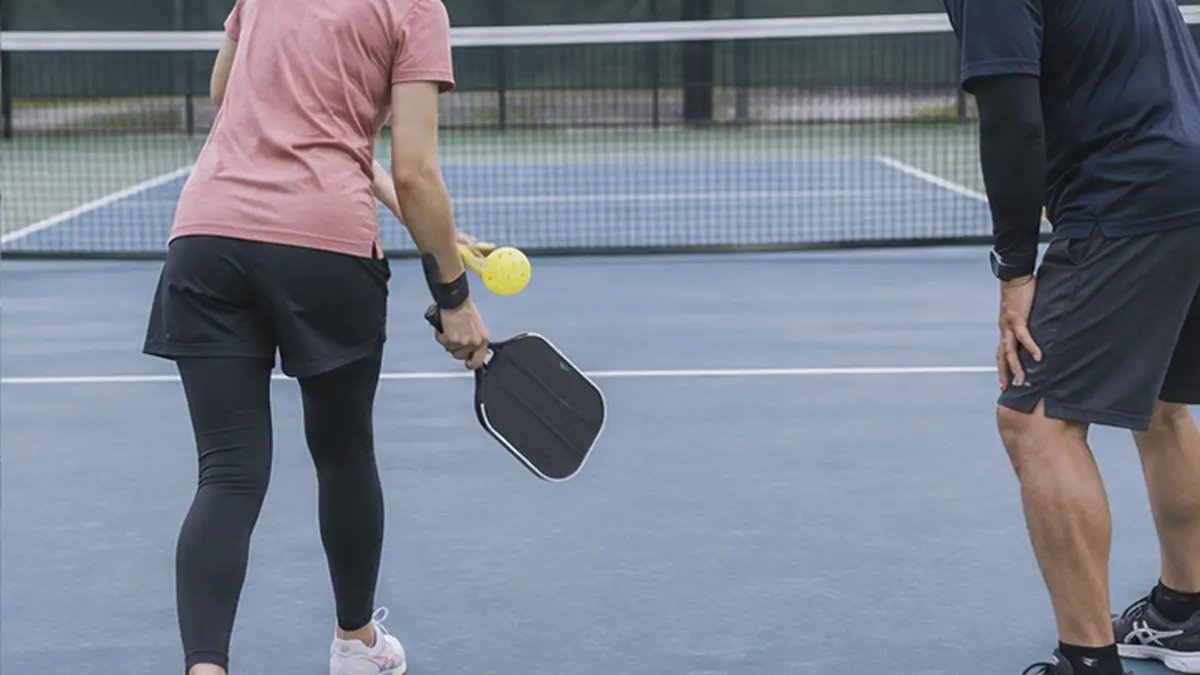
At first, not fearing faults and gaining experience is the shortcut to improvement. Playing alongside experienced players lets you get practical advice on the spot. The non-volley zone and double-bounce rules especially become second nature naturally through repeatedly moving your body.
Tips for memorizing the rules
Rather than rote-memorizing text, watching actual play footage or observing experienced players' play is more effective.
If you commit a fault during a match, confirm on the spot why it was a fault, and keep in mind not to make the same mistake next time. Understanding each fault by its reason lets you apply it flexibly.
Advice from experienced players
What many experienced players agree on is to play without rushing, faithful to the basics.
While you are a beginner, prioritize returning the ball reliably over hard hits or flashy plays. Pickleball is a sport where placement and control are emphasized over power. Stand right at the edge of the non-volley line and, while keeping the rally going, wait for the opponent's ball to float up and finish with a volley. Just keeping these basics naturally cuts faults. For the differences from tennis, seethe article comparing it with tennis.

What beginners do most often is the fault of entering the kitchen from momentum after a volley. The cause is caring only about where to hit and not being aware of the flow of your feet after hitting. If you make a habit of taking a small step back right after you finish hitting, you can prevent this fault almost entirely.
FAQ
What is the most common fault for beginners in pickleball?
The non-volley zone (kitchen) violation. It is a fault not only to volley within the zone but also to step on the line or enter the zone from the momentum after a volley. Making a habit of taking a small step back after you finish hitting prevents this fault.
Are you not allowed to enter the non-volley zone?
Entering itself is not a fault. What is prohibited is a volley within the zone (hitting without a bounce). After the ball has bounced once, you can enter the zone and hit it.
How do I serve so it is not a fault?
Hit underhand, with the contact point below the waist and the paddle head lower than the wrist. Place your feet behind the baseline and do not step on the line or into the court until you hit. There is only one serve, and a fault moves the serve to the opponent.
How do the rules change from 2026?
Judging becomes stricter. The referee can call an immediate fault on a serve that is clearly not legal, a spare ball in your pocket visible to the opponent is a fault, consulting spectators for a call is prohibited, and the out call must be made immediately. The three basic serve elements do not change.
Summary: Enjoy pickleball with correct rule understanding
Pickleball's fault rules, though they may look complex at first glance, are not hard once you grasp the key points.
Especially important are the three of non-volley zone violations, serve mistakes, and double-bounce rule violations. Understanding and practicing these correctly lets you cut faults and play smoothly. Since new rules such as stricter judging also begin from 2026, checking the latest information is reassuring.
While you are a beginner, not fearing faults and playing actively is the shortcut to improvement. As you gain experience, the rules naturally soak into your body. With correct rule understanding as your foundation, savor to the fullest a pickleball that anyone can enjoy regardless of age or fitness.
Related Articles Worth Reading
- What is the non-volley zone? Pickleball rules and points for using it
- The complete guide to pickleball's kitchen rule: how to avoid faults
- Pickleball Serve Rules | The Basics of the Underhand Serve and Faults Explained
- Pickleball Line Judging | The Criteria for In and Out Explained
- What's the difference between pickleball and tennis? Comparing rules, gear, and difficulty
Related Articles