台湾が自前のプロ・ピックルボールリーグ「Asia Elite Pickleball League(AEPL/亜洲精英匹克球聯賽)」を立ち上げ、8月29〜30日に台中で初戦を迎えた。参加は5チーム、その後11月まで台湾各地を巡ってシーズンを戦う。プロバスケットボールの桃園レパーズが母体の一角に入り、シーズン賞金は総額100万台湾ドル(約3万1000米ドル、日本円で460万円前後・概算)。
For players in Japan, the point of interest is the design itself: the island next door has skipped a step, moving from grassroots hobby play straight into team-based commercial competition. Rather than individual tournaments, Taiwan chose from the start a format where teams carry an affiliation through a league season.
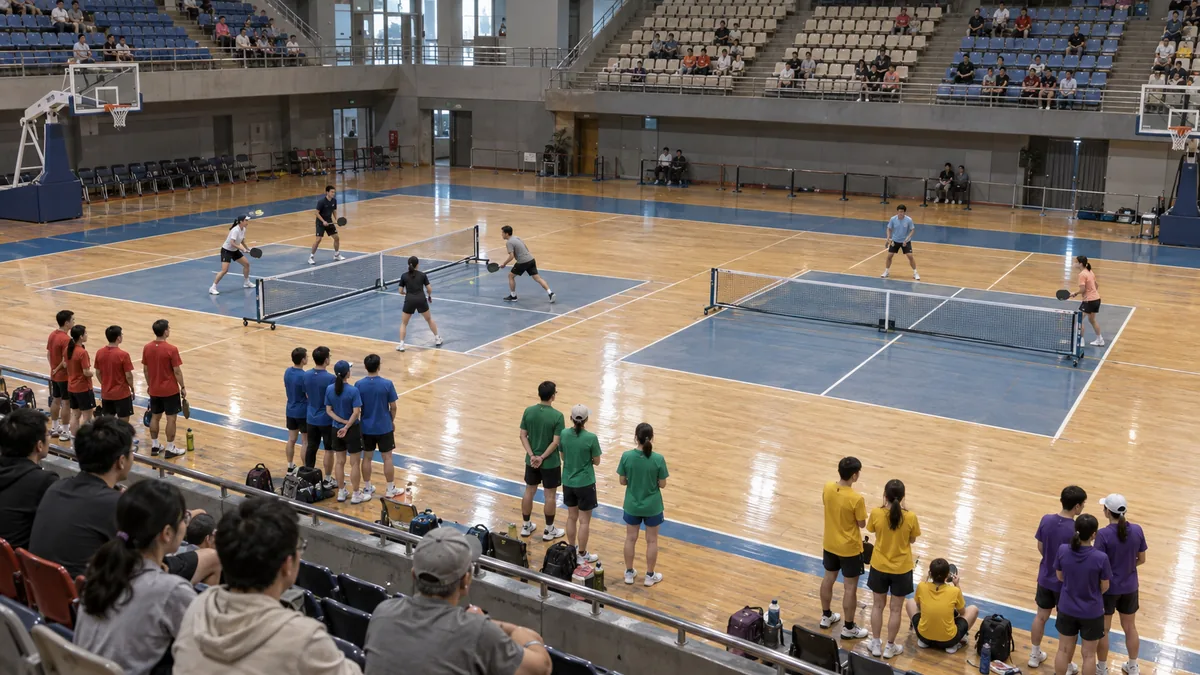
Five teams tour eight Taiwanese venues through November, with the Taoyuan Leopards backed by a basketball organization
The first season lines up Grand Launch Group, the Taoyuan Leopards, Ahhh, Team Lumu and Furete Tech. AEPL is in talks with another organization based in Taichung that could join as a sixth team. Play starts in Taichung and moves through eight domestic venues, running to the final in November.
The eye-catching piece is the Taoyuan Leopards. The name connects to the Taiwanese pro basketball club Taoyuan Taiwan Beer Leopards; that organization's CEO, Johnny Chang, is involved, and Willie Chung captains the pickleball team. The league is led by AEPL CEO Chang Chih-wei. The youngest player on the rosters is 15-year-old Chiu Tsi-en. An existing pro sports organization is simply carrying a team in a new sport.
A launch that borrowed basketball's venues and operating know-how wholesale
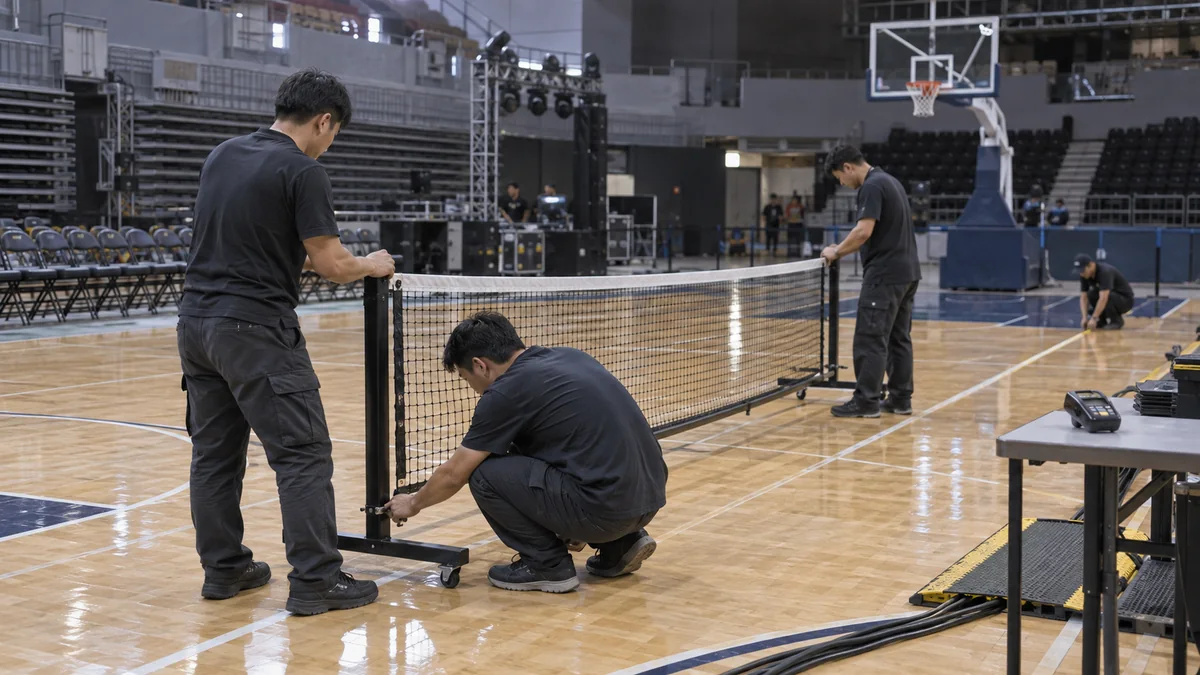
Building an association from nothing, renting venues, courting sponsors, filling seats: the Taoyuan Leopards skip those tedious steps by borrowing from an existing basketball organization. The marketing funnel, the ticketing and venue routines, the sponsor sales desk all transfer from something already running in basketball. That is why the run-up from announcement to opening is so short. The schedule was reported on August 17 and the first matches came within the month, a pace that is hard to manage without that borrowing.
At roughly 4.6 million yen, the first season's prize pool is still too small for players to stake a living on. Even so, building the commercial container first and adding prize money and players afterward is the opposite order from the grassroots model, which grows facilities and tournament counts first and puts the sport on top. Taiwan came in from the other side fromIndia's grassroots design built under its recognized federation, the IPA, preparing first a container for matches meant to be watched.
How it differs from Japan's PX League: corporate peers or sports business
Japan has a precedent for teams running a league season.Sansan's PX LEAGUE, a corporate competition with teams from six companies,has been running for some time. The character is different, though. Japan's version leans toward employee benefits and internal engagement, and the participants are operating companies. Taiwan's AEPL is built from the start in the grammar of a pro sports business, with a pro basketball organization at its base and crowds as the target.
There is a difference in governance too. Japan's federation has only just clearedJSPO recognition, the first step toward the Olympics,and is still firming up the base for governance and grassroots growth. Taiwan did not wait for governance to be finished and started running the business side in a private container first. Less a question of which is right than a difference in the order of growth.
What players in Japan can read from the Taichung opener
AEPLは来季にシンガポール、マレーシア、香港、マカオからのチーム誘致を掲げている。名前に「Asia」を冠する以上、視線は台湾島内にとどまらない。現時点で日本は誘致先に挙がっていないが、隣の市場が「アジアのチーム対抗」を立ち上げた事実は、日本のトップ層が近距離で実戦の場を見つけられることを意味する。渡航1本で追える競技リーグが増える。
Taiwan already hadthe ground of a national policy that used pickleball to keep seniors out of care, and it has set a pro business on top of that base. Running grassroots groundwork and a pro business as two wheels is worth watching for people in Japan struggling with a shortage of courts. What players in Japan can copy right away is the idea of borrowing an existing sport's venues to create places to play.
Practical notes for following AEPL
- Opening rounds: August 29-30 at the pickleball facility in the 1908 Taichung Green Sky Railway Corridor, near Taichung Station
- Teams: Grand Launch Group, Taoyuan Leopards, Ahhh, Team Lumu and Furete Tech, five in all (a sixth under negotiation)
- Season: late August to November, moving through eight venues in Taiwan to the final
- Prize money: 1 million Taiwan dollars for the season (about 4.6 million yen)
- Next season: plans to recruit teams from Singapore, Malaysia, Hong Kong and Macau
What works is not the prize money but a launch built on borrowed infrastructure
台湾のAEPLは、賞金の大きさで勝負する段階にはない。効いているのは、プロバスケの器を借りて開幕までの助走を縮めた立ち上げ方だ。初年度の5チームによる戦いは、来季のアジア拡大がどこまで進むかを見る材料になる。隣の島がチーム興行を先に回し始めたことは、日本が次に何を借りて場を作るかを考える材料となる。