この記事の要点
- In neighboring South Korea, pickleball is rapidly gaining a stronger presence.
- テニスブームに沸くソウルや釜山では、芸能人の発信や公共コートの整備をきっかけに愛好者が急増し、2026年にはソウルの漢江沿いに大型の専用コートまで誕生しました。
- 韓国のピックルボールは、大学発の小さなクラブから10年ほどで全国へと広がりました。

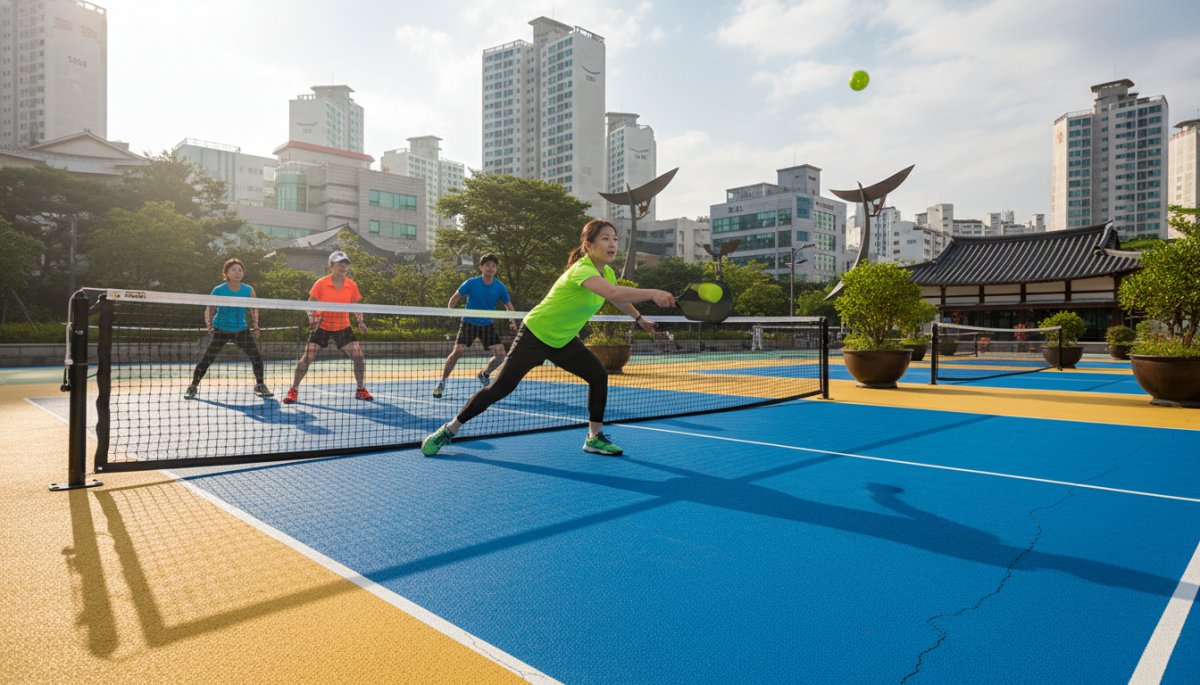
In neighboring South Korea, pickleball is rapidly gaining a stronger presence.
In Seoul and Busan, buzzing with a tennis boom, enthusiasts have surged thanks to celebrity posts and the development of public courts, and in 2026 a large dedicated court was even created along the Han River in Seoul. Exchange with Japan is also progressing, and a pickleball culture is being shaped across all of Asia. This article organizes the progress of adoption in Korea, the latest developments, the Japan-Korea connection, and the future outlook, based on information as of June 2026.
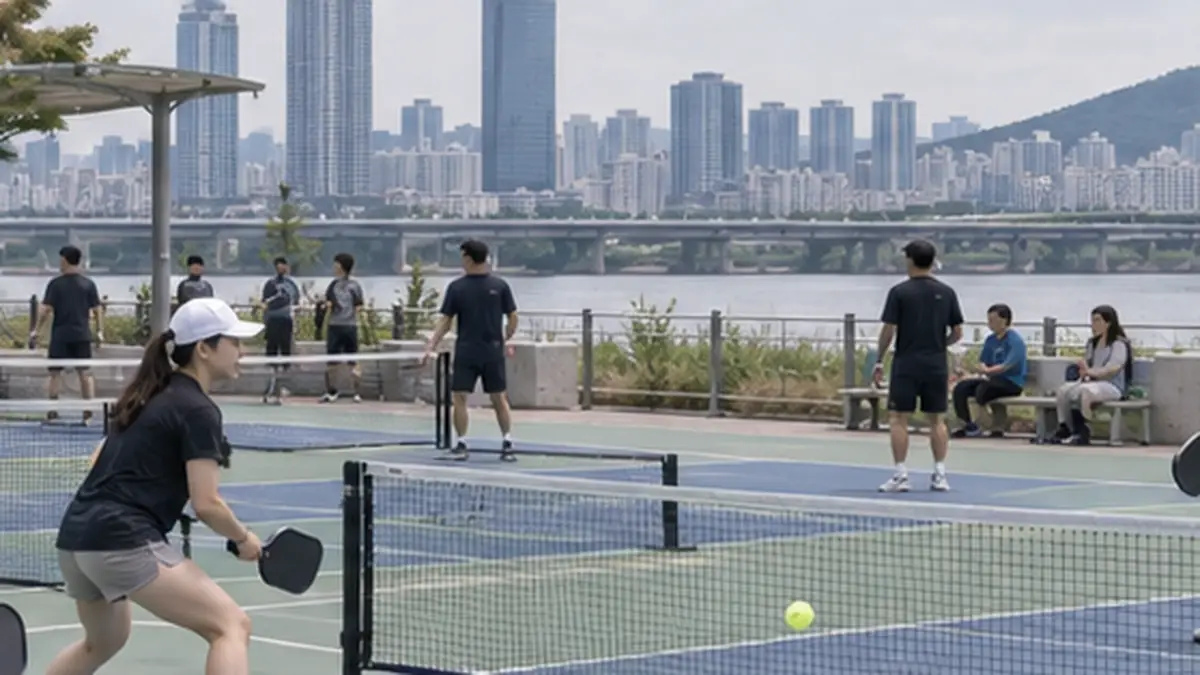
The Progress of Pickleball Adoption in Korea [Quick Timeline]
Korean pickleball has spread nationwide in about ten years, from a small university-born club. First, let's cover the flow of adoption with a timeline.
| Timing | Event |
|---|---|
| 2016 | A pickleball club is born at Yonsei University. It starts using badminton courts as a substitute |
| 2017–18 | Clubs expand to areas such as Gwangju, and the Korea Pickleball Association is founded in 2018. It also joins the international federation |
| From 2024 | Enthusiasts increase against the backdrop of a tennis boom. A Japan-Korea exchange tournament is also held |
| 2025–26 | Rapid expansion through celebrity posts and public court development. A large dedicated court opens in Seoul |
From University Clubs to a Nationwide Organization
韓国では複数の競技団体が大会、選手登録、指導者・審判制度を運営しています。起点を一つの年や団体に限定するのは難しいため、現在の公式活動を基準に整理します。
A pickleball club was launched at the prestigious Yonsei University, initially played using badminton courts as a substitute. After that, enthusiast clubs spread to areas including Gwangju, and in 2018 the Korea Pickleball Association was established. That same year, it also joined the International Pickleball Federation, laying a foundation as a competitive sport. Today, competition-oriented professional organizations and instructor bodies have also emerged, and organizational development is progressing.
日韓で異なる普及経路
Looking only at the timing of adoption, Korea started a little later than Japan.
The Tennis Boom Boosting Korea's Racket Sports Culture
Essential to discussing pickleball's popularity in Korea is the explosive tennis boom.
Public tennis courts are so overheated that the odds in reservation lotteries are high and hard to win. Tennis-themed hotels have appeared, and SNS is flooded with posts of young people enjoying tennis. This boom has boosted interest in racket sports overall, leading to attention on pickleball, which is more casual and uses a smaller court.
Pickleball lets those with tennis experience easily apply their skills, while allowing them to keep exertion low and enjoy it socially. The ground of badminton being widely enjoyed is also significant, and being able to use a similarly sized court helps the transition. It is spreading as a receptacle where people can enjoy the sense cultivated in tennis and badminton in a more casual form.
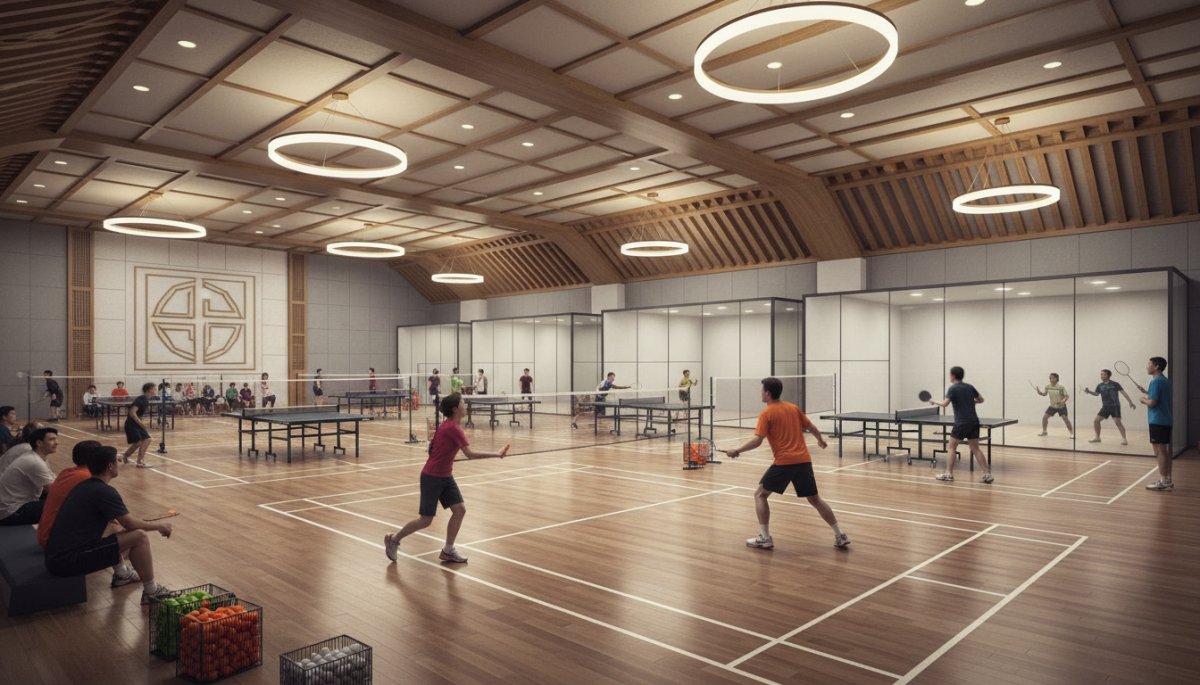
Activity Bases Spreading Across Korea
Playing bases in Korea are spreading nationwide, centered on the capital, Seoul. We have organized the main areas where club activity is confirmed.
| Area | Main Cities | Features |
|---|---|---|
| Tokyo Metropolitan Area | Seoul, Paju, Ilsan, Songdo | The central hub with the most clubs. The international city Songdo has many foreign players too |
| Major Regional Cities | Busan, Gwangju, Daegu, Jeonju | Busan has active exchange with Japan. Gwangju has ties to the association's origins |
| Regional and Resort Areas | Andong, Yangpyeong, Jeju Island | Places to experience the sport are also spreading in nature-rich regions and tourist destinations |
In these cities, dedicated courts are being developed while making use of existing sports facilities, and tournaments are held regularly in Seoul and Busan. The sport has also begun to play a role in strengthening the bonds of local communities.
Source Created from Pickle One, "How Is Pickleball Taking Off in Korea?"(list of activity bases)
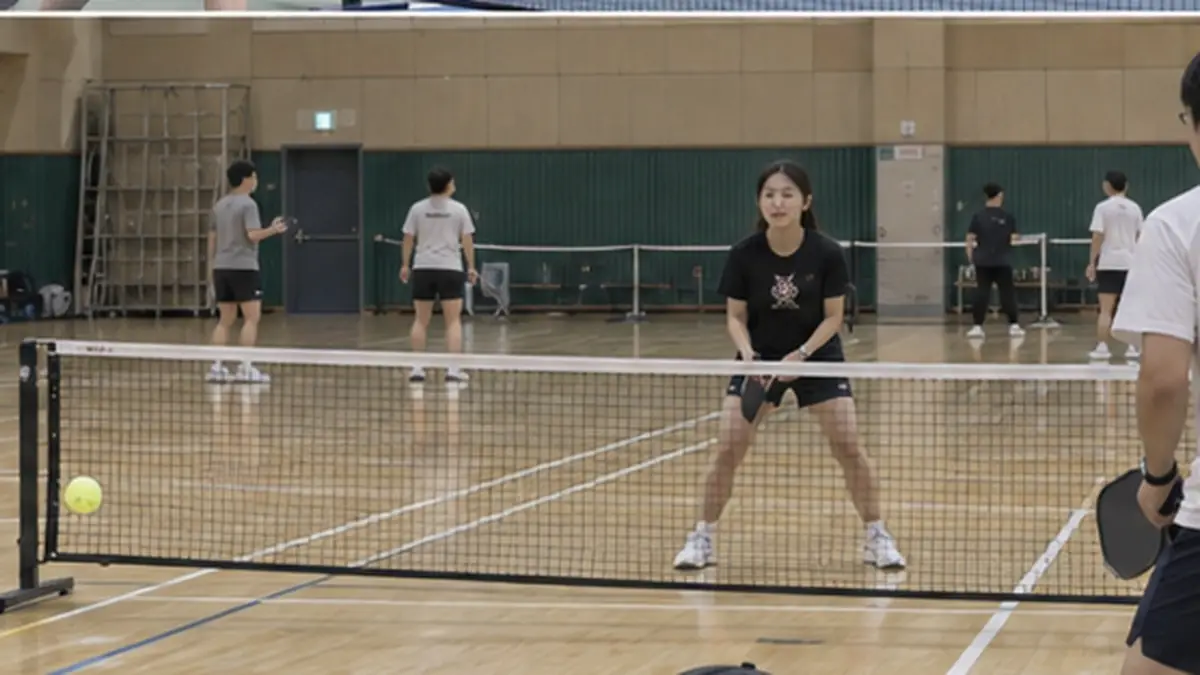
"Public Courts" and "Celebrities" That Accelerated Growth in 2025–2026
Korea's adoption has entered a new stage in the past year or two.
The major turning points were celebrity posts and government-led public court development. Korean celebrities posting themselves enjoying pickleball spread the image of it as a stylish, new sport, and young office workers, foreign residents, and former tennis players flowed in all at once.
A Large Court Opens Along the Han River in Seoul
Symbolic is the development of public courts by the Seoul metropolitan government.
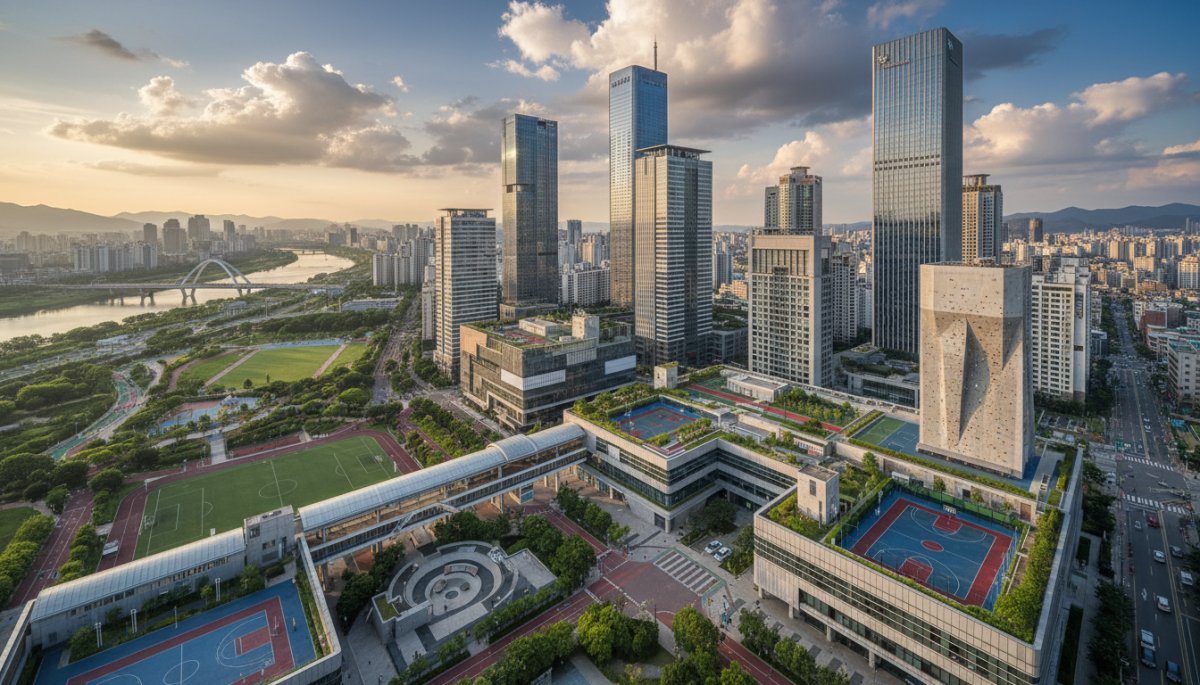
In April 2026, one of the largest facilities in the city, with 14 dedicated courts, opened at Gwangnaru Han River Park in Seoul. On weekends, tournaments and programs for the general public are held, and the creation of an environment where anyone can play casually is progressing. This reflects the government's stance of positioning pickleball as a place for everyday exercise.
Source The Korea Herald「From niche hobby to public courts — pickleball gains ground in Korea」Created from
Infrastructure Can't Keep Up With the Growth in Players
Amid the rapid expansion, challenges have also begun to appear.
Court development cannot keep pace with the speed at which players are increasing, and congestion is becoming the norm at popular facilities. The training of instructors, the standardization of rules, and the accumulation of tournament operation know-how are also still at an early stage. Still, the movement for the government to set up courts in public spaces is spreading everywhere, and an environment to accommodate demand is steadily coming into place.
Korean Pickleball Connected to Japan
Korea's momentum is not someone else's concern for Japanese enthusiasts.
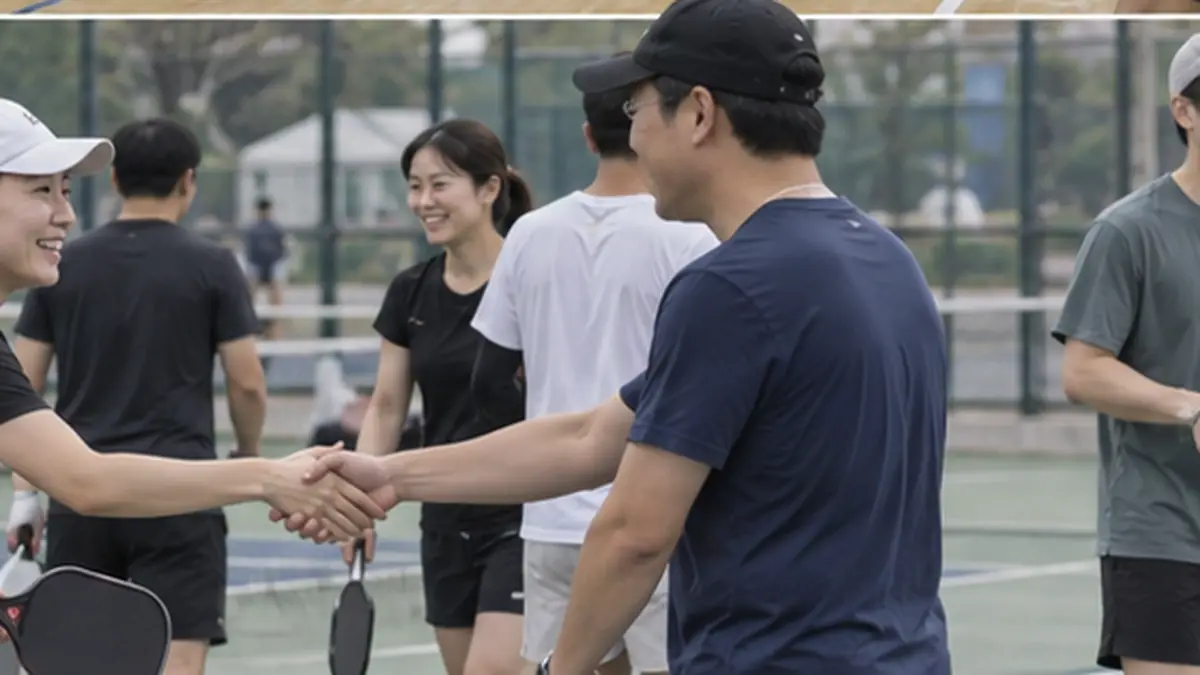
The Japan and Korea communities are deepening their exchange, and in August 2024 a "Japan-Korea Exchange Pickleball Tournament" was held, welcoming a delegation of players who came from Busan. Such international exchange has become a valuable opportunity for players on both sides to improve their skills and expand their community. In domestic tours as well, initiatives that offer top players chances for expeditions to Korea and joint practice with local players can be seen, creating a trend of raising the level across all of Asia.
Broadening the view, adoption is accelerating in Asian countries such as Vietnam, India, China, and Thailand, and Korea occupies an important part of that network. In international player data such as DUPR, Asia has grown to a scale second only to North America, becoming the fastest-growing region. The circumstances of each country are explored inVietnamandChina、Indiathe article as well.
Source Created from Hachioji Pickleball Association, "Japan-Korea Exchange Pickleball Tournament"(August 2024)

The key to reading Korea's growth is "public courts." Rather than leaving it to private gyms, when local governments build courts in prime locations such as along the Han River, it takes root at once as an everyday sport. In Japan too, whether the use of riverbanks and parks progresses is likely to determine future adoption speed.
The Future Outlook for Korean Pickleball
Korea's market has room to grow further from here.
The trend of young people who experienced the tennis boom moving to pickleball as the next step is likely to continue. There are also moves to adopt it for corporate team building and employee health promotion, and program introduction at schools and universities is progressing little by little. This sport, combining ease and sociability, has the ground to be accepted by a wide range of generations. Compared with countries where tennis culture is also strong, such asUnited Kingdomand those growing on resort demand, such asThailand, Korea shows its own kind of growth led by public courts. For the moves of Japanese bodies and systems, seeJPA overviewplease also have a look.
The remaining challenges are resolving the court shortage and building systems for instruction and tournament operation. That said, as long as there is the tailwind of government support and public court development, there is ample possibility that Korea will grow into a major pickleball base in Asia. For Japan too, this rapid growth happening right nearby should serve as a reference when thinking about future adoption.
FAQ
When did pickleball spread in Korea?
It began with a club born at Yonsei University in 2016. In 2018 the Korea Pickleball Association was established, and in 2025–2026 it expanded rapidly starting with celebrity posts and public court development.
Why did pickleball become popular in Korea?
The foundation is that the explosive tennis boom raised interest in racket sports. On top of that, celebrities posting themselves playing spread the image of a stylish, new sport, and enthusiasts surged mainly among the younger generation and foreign residents.
Are there dedicated pickleball courts in Korea?
Yes. Government-led public court development is progressing, such as a large dedicated facility with 14 courts opening at Gwangnaru Han River Park in Seoul in April 2026. On the other hand, facilities cannot keep up with the growth in players, and congestion has become a challenge.
Is there pickleball exchange between Korea and Japan?
It is active. In August 2024, a Japan-Korea exchange tournament was held welcoming a delegation from Busan, and domestic tours also provide opportunities for expeditions to Korea and joint practice. Cooperation to raise the level across all of Asia is progressing.
Summary: A New Sports Culture Opened Up by Public Courts
Korean pickleball has reached a major turning point in about ten years since its introduction at Yonsei University in 2016.
From an initial spread centered on university clubs, in 2025–2026 it moved close to a mainstream leisure sport all at once, starting with celebrity posts and public court development. A large court was created along the Han River in Seoul, and while drawing in the younger generation and foreign residents, it is becoming one of Asia's leading growth markets.
Exchange with Japan is also active, and Korea plays an important role within the network of all of Asia. Although there are challenges such as the court shortage, the momentum of adoption backed by government support is likely to continue. Korea's moves, progressing right nearby, cannot be overlooked in gauging Japan's future either.
確認した一次情報
Related Articles Worth Reading
- Analyzing the Pickleball Scene in Japan | A Thorough Look at Its Spread and Future Outlook
- Analyzing pickleball in China: adoption in a massive market and its future potential
- Vietnam's pickleball expanding in Asia | The current state of its spread and its outlook
- The State of Pickleball in India | Potential in a 1.3-Billion-Person Market and Key Players
- A List of International Pickleball Tournaments | Major Events and How to Take Part Explained
Related Articles