The real thrill of pickleball: what is the dink shot?
Pickleball's appeal is the ease of playing a match five minutes after starting, but what symbolizes its depth is the dink shot.
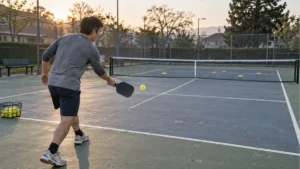
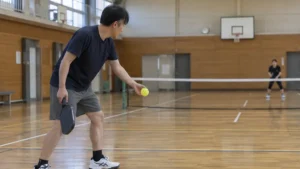
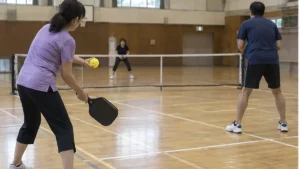
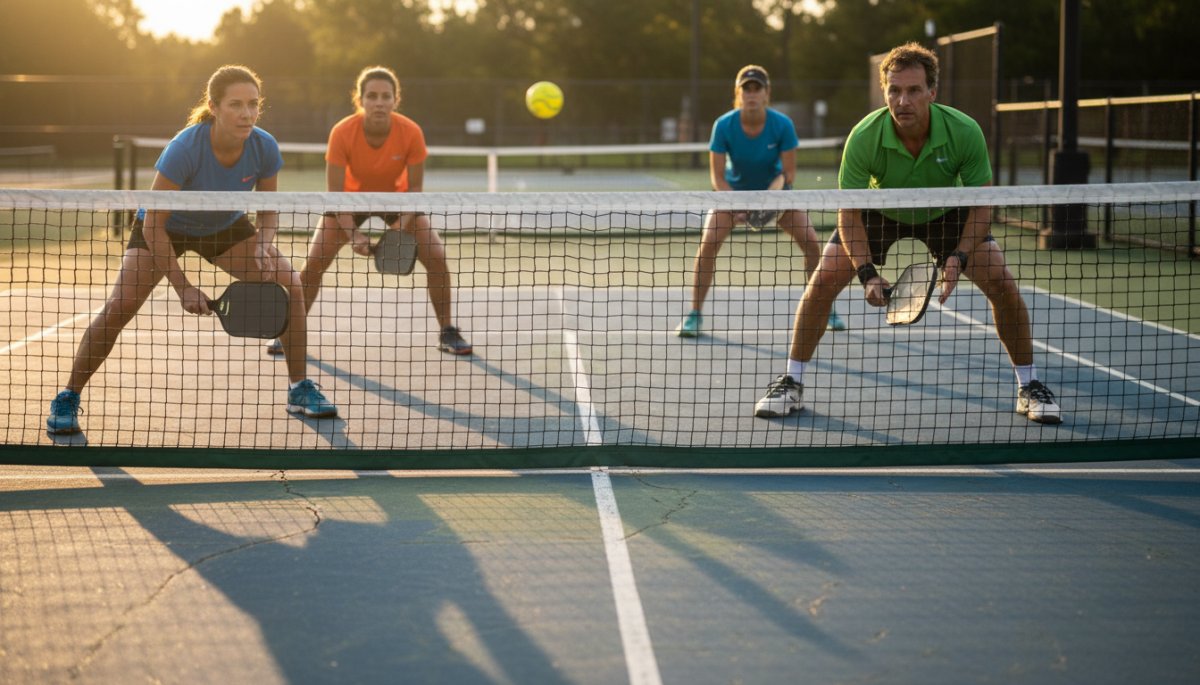
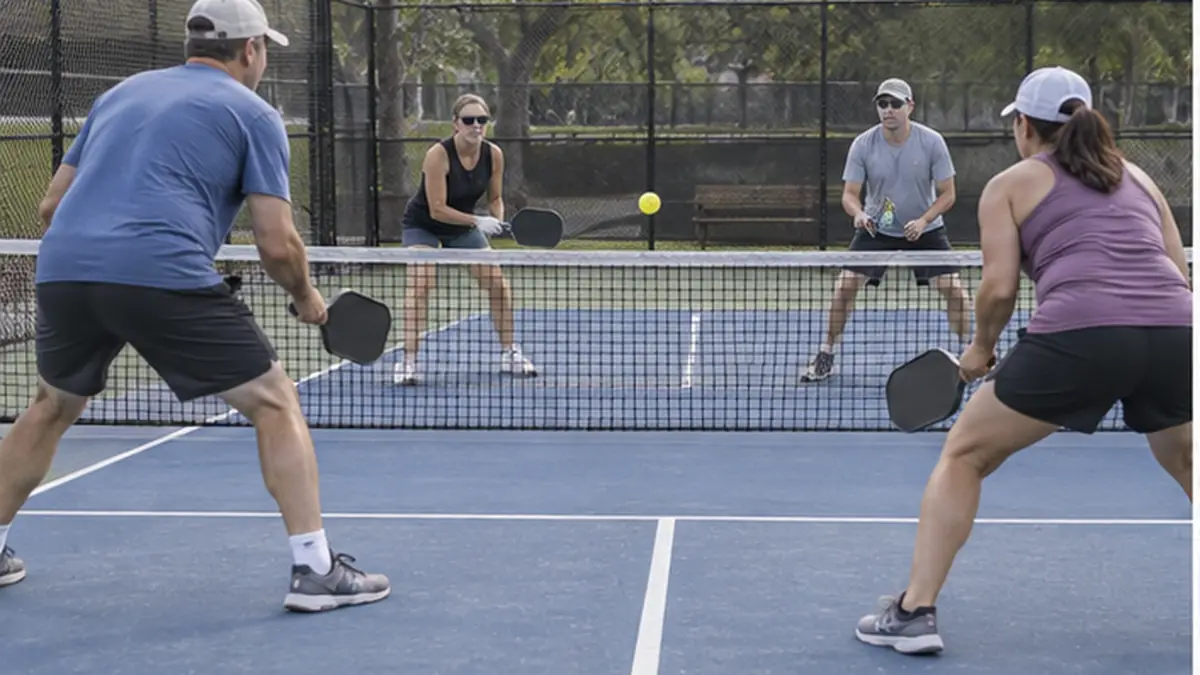
The dink is a soft, delicate shot that makes use of the non-volley zone (commonly called the kitchen). You hit it as if gently dropping it just over the net into your opponent's court, competing with control rather than power. It resembles a drop shot dropped from the back to the front of the net, but differs in that you too hit it from the front of the net. You swing the paddle lightly to send the ball slowly to your opponent's feet, aiming to give them no chance to attack while drawing out a mistake or a weak ball.
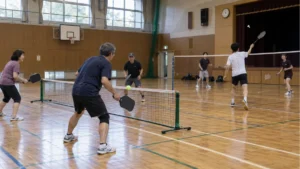
If you make your opponent hit from a contact point below the net, you shut down their hard hitting. That's because the closer to the net, the sharper the angle they need to drop the ball, making it easier for the ball to pop up. In pro matches, long rallies unfold with dozens of dink exchanges, producing tenacious back-and-forth where neither side gives an inch. For how the court works, seethe complete guide to court size.
The correct way to hit a dink shot and form [key points table]
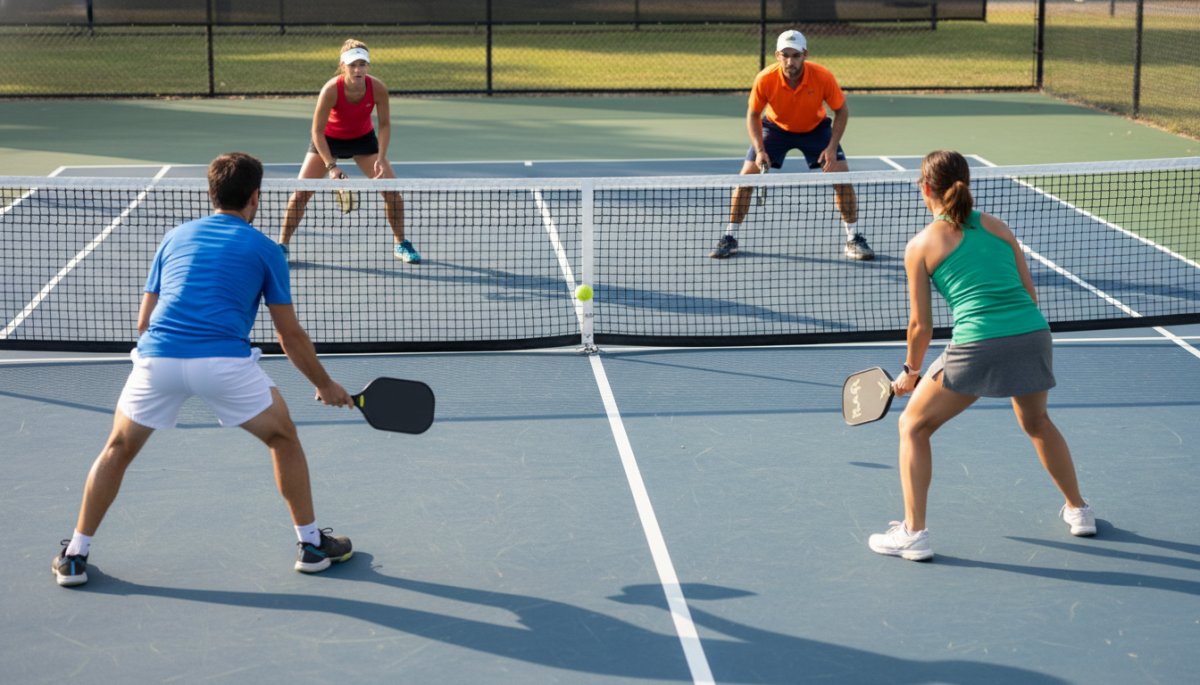
A stable dink is determined by three points: stance, position, and paddle work. First, let's lock in the key points in a table.
| Element | Point |
|---|---|
| Stance | Feet wider than shoulder-width, knees bent to about 120 degrees, weight low and toward the front foot |
| Position | Set up just outside the non-volley zone line |
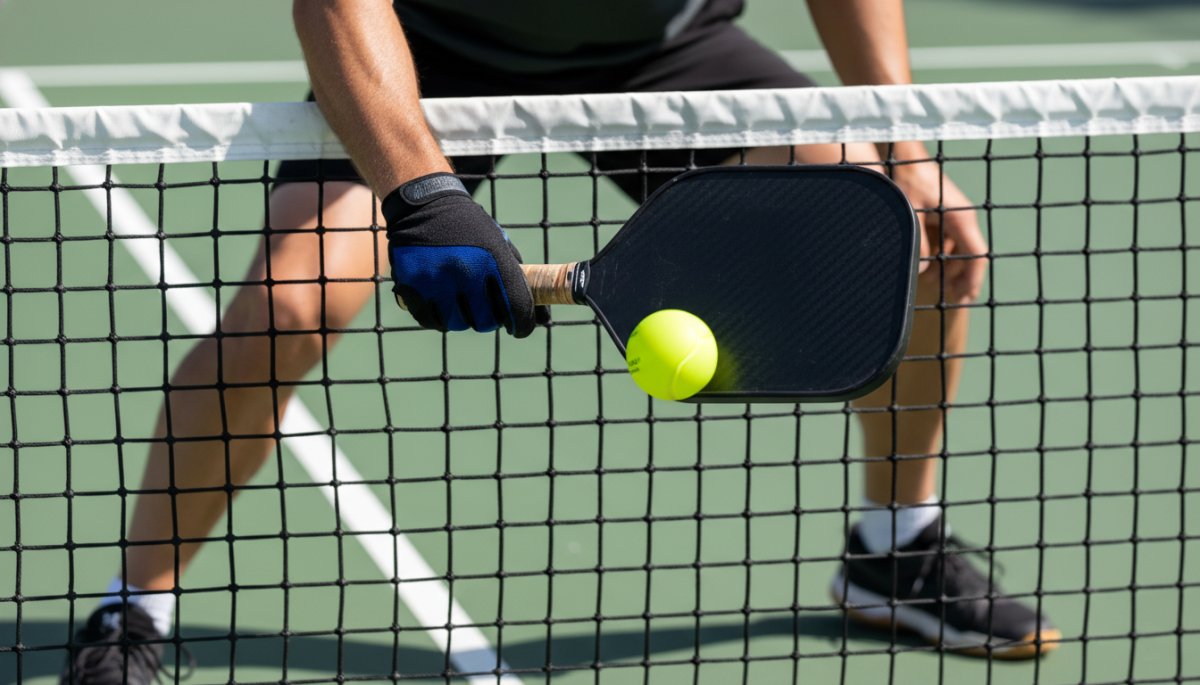
| Paddle work | Catch the underside of the ball, compactly from low to high. Wrist fixed |
Basic stance: keep your weight low, spread your feet
To make your dink stable, stance is the key first.
Spread your feet slightly wider than shoulder-width, bend your knees, and keep your weight low. Bend your knees to at least about 120 degrees, with your weight toward the front foot. This low stance stabilizes your shot and enables quick reactions. Rather than hitting with just your hands, keep an image of sending the ball with your whole body.
Positioning: set up just outside the non-volley zone line
The iron rule for the dink is to set up as far forward as possible, just outside the non-volley zone line.
If you're midway between the zone and the baseline, you give your opponent a chance to hit hard. By pressing forward, you catch their ball early and can control it from a low contact point.
Paddle work: catch the underside of the ball
When returning your opponent's dink with a dink, set the paddle under the ball and let it make gentle contact.
The paddle face is tilted slightly forward, compactly from low to high. Keep your wrist fixed without over-tensing, and finish on the same side of your body. Being mindful not to let the paddle cross your body's midline stabilizes the face and raises shot accuracy. Adding topspin lets you drive the ball in deep while keeping the trajectory low, making for an aggressive dink. Try tracing a small arc, like a table tennis drive.
Tactics for winning with the dink
Move your opponent and induce mistakes
The purpose of the dink isn't to keep the rally going, but to break down your opponent.
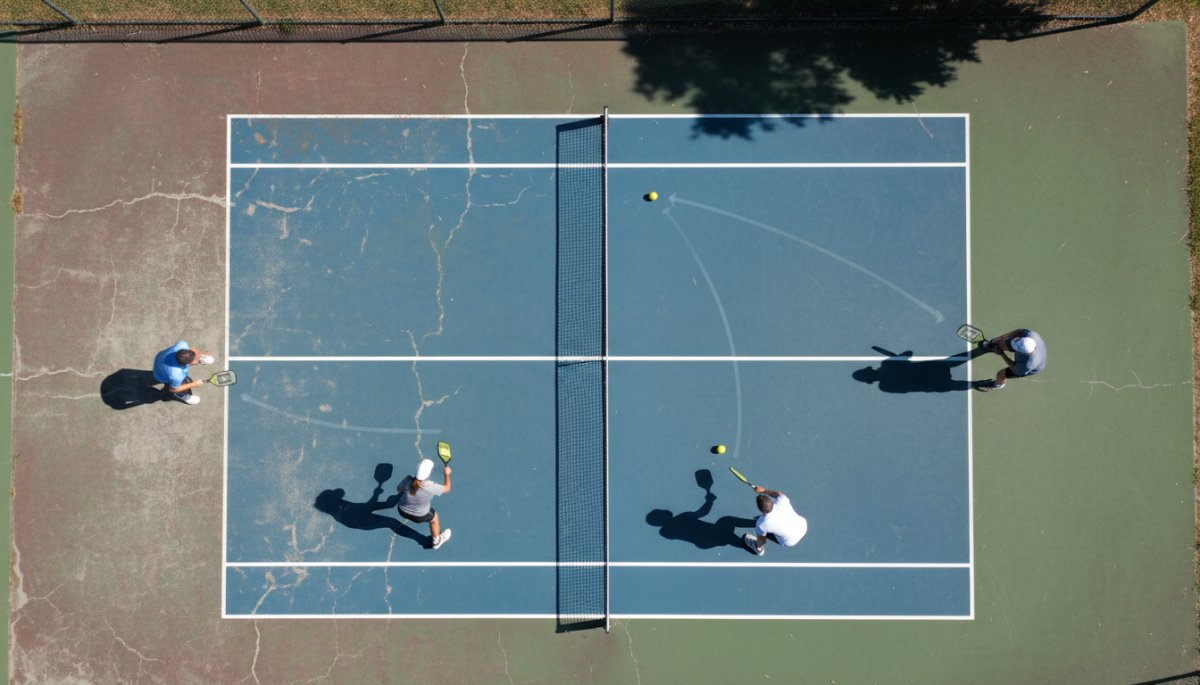
Move them side to side and rock them forward and back to draw out mistakes and weak balls. If your opponent struggles with the backhand, concentrating shots on their backhand side is effective. Using cross-court (diagonal dinks) makes your opponent's travel distance longer, applying even more pressure.
Using deep and shallow dinks
The dink has two aims: "deep" and "shallow." Here's how to use each, organized in a table.
| Type | Aim | When to use it |
|---|---|---|
| Deep | Peel off the pressure up front (offense) | When your opponent is leaning forward. Aim at their back-foot side to push them back one or two steps |
| Shallow | Buy back time (defense/neutralizing) | When your opponent's face is angled down. Place it short, just in front of the kitchen, to rock them |
Switching between offense = deep and defense = shallow as if on cue lets you control the tempo of the rally.
Use the dink volley too
When you're set up just outside the line, there are moments where you're unsure whether to volley or let it bounce.
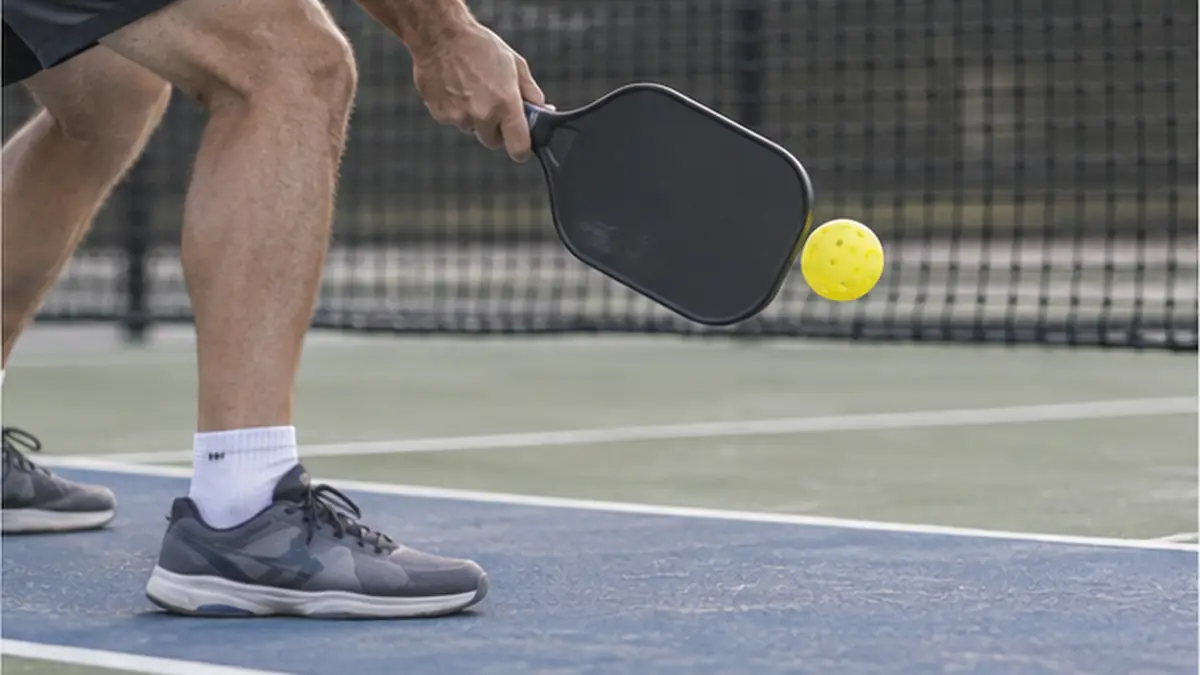
In that case, returning with a volley is effective. Since you can't hit hard from below the net, return with a dink volley. The iron rule is to not wait for the ball, but to touch it at the peak of the contact point. Sending your outside foot one step forward and keeping a forward lean with the intent of getting your chest and nose behind the ball stabilizes the face.
How to practice the dink shot
Build the feel with a warm-up
Do your warm-up thoroughly as preparation for a match.
First, lightly rally dinks in the non-volley zone. Aim just over the net while keeping a constant speed, and, mindful of dropping it into the kitchen, target 10 in a row. Keeping it going cooperatively lets you check your touch and feel.
Position-holding drill
This is practice where you keep hitting dinks from a fixed position without backing off from the non-volley zone.
You build the habit of holding your forward position and can take advantageous positioning in matches too. If you feel you're not using your feet, deepen your knee angle and keep your weight toward the front foot.
Controlling cross-court and depth
Practice not only straight but also cross-court dinks repeatedly.
Hitting cross makes your opponent's travel distance longer, making it easier to break them down. Also, placing targets near the net and at the back of the kitchen and aiming for them alternately raises your precision in hitting deep and shallow. Making your target points clear also builds your judgment in matches. To train footwork itself, seeHow to improve footworkis also worth a look.
Advanced techniques for the dink shot
Put on spin to break down your opponent
Hitting with a light downward brushing motion gives a low bounce that's hard for your opponent to handle.
Topspin drops sharply after clearing the net and sinks at your opponent's feet, while backspin suppresses the bounce and throws off their timing. Sidespin adds sideways movement and is effective for drawing your opponent off the court.
Vary the speed to break their rhythm
Mixing fast and slow dinks lets you break your opponent's rhythm.
Using a slow, higher dink after a low, fast one can induce mistakes. Being able to branch from the same form into a "fastball," a "continuation," or a "lob" makes you harder to read. For how to use the lob, seeMastering the lob.
Judge the timing to switch to offense
After moving your opponent, attacking with a fast shot or a lob is effective.
As a dink rally continues, you tend to rush the finishing shot, but that can be fatal. Here, the trick is to change your shot's direction. Adding variation—cross, then middle, then cross—creates a chance for your opponent to pop the ball up. When a floating ball comes, put it away without hesitation by speeding up.
Three mistakes to avoid with the dink
Not using your feet
Matching the ball with just your upper body makes the face waver.
Bend your knees to at least about 120 degrees, with your weight toward the front foot. On the backhand side especially, lower your hips and make your contact point at the side of your body. Hitting with just your hands without using your feet makes the shot unstable and increases mistakes.
Waiting too long for the ball
The iron rule is to not wait for it to drop, but to touch it at the peak of the contact point.
Sending your outside foot one step forward and keeping a forward lean with the intent of getting your chest and nose behind the ball stabilizes the face and raises shot accuracy. Waiting too long gives your opponent preparation time and loses your chance to attack.
A windshield-wiper wrist motion
The habit of sweeping from right to left makes the trajectory float.
The keys to fixing it: keep your grip pressure at about 5 on a 10-point scale, drive with the elbow in a small forward-and-up motion, and keep the face orientation before and after impact. Film yourself from the side with a mirror or phone and check for face wobble. Using your wrist too much loses control and the ball flies in an unintended direction.
Using the two-handed backhand dink
The two-handed backhand delivers "stability, strength of outgoing ball, and disguise" all at once.
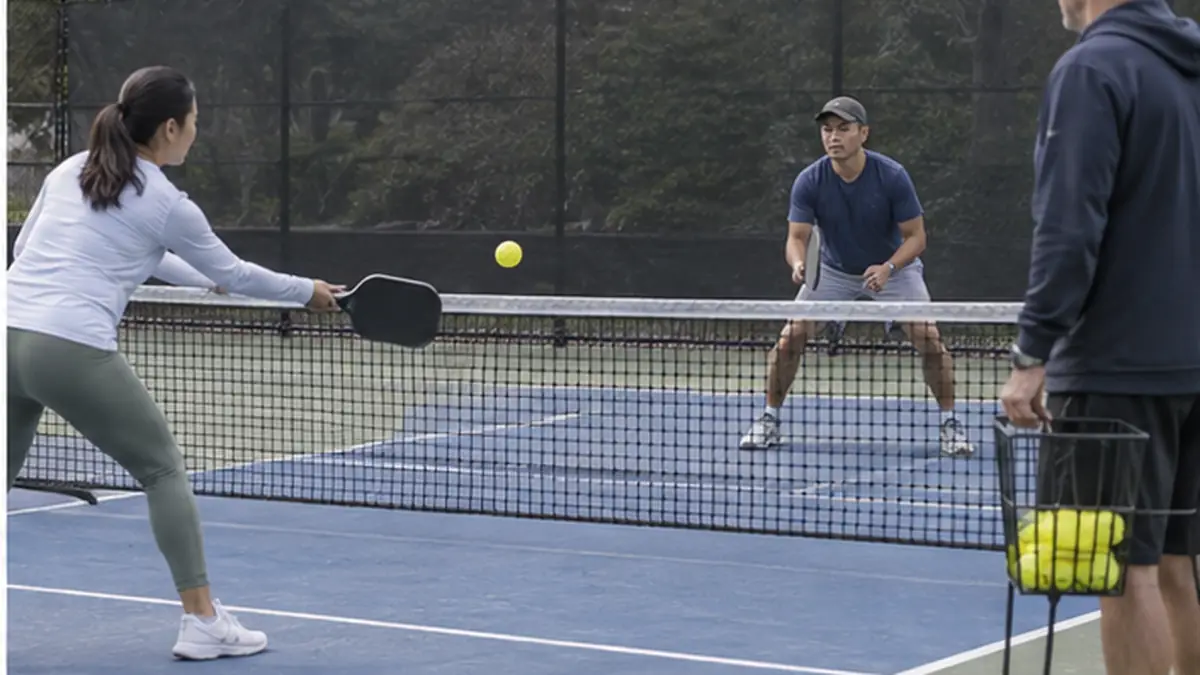
In your stance, make your non-dominant hand (the left for a right-hander) the lead, applying 70% of the pressure, with your dominant hand as a guide. Keep the paddle face always above your hands and your elbows in front of your body. Bending your knees deeply and lowering your eye line keeps the face from closing over even on a low trajectory, keeping control stable. Its strength is being able to branch from the same form into a "fastball," a "continuation," or a "lob," and setting up two-handed from the start erases the tell of a grip change. For a player whose backhand side gets targeted, it becomes a powerful weapon that makes it easy to switch from defense to offense.
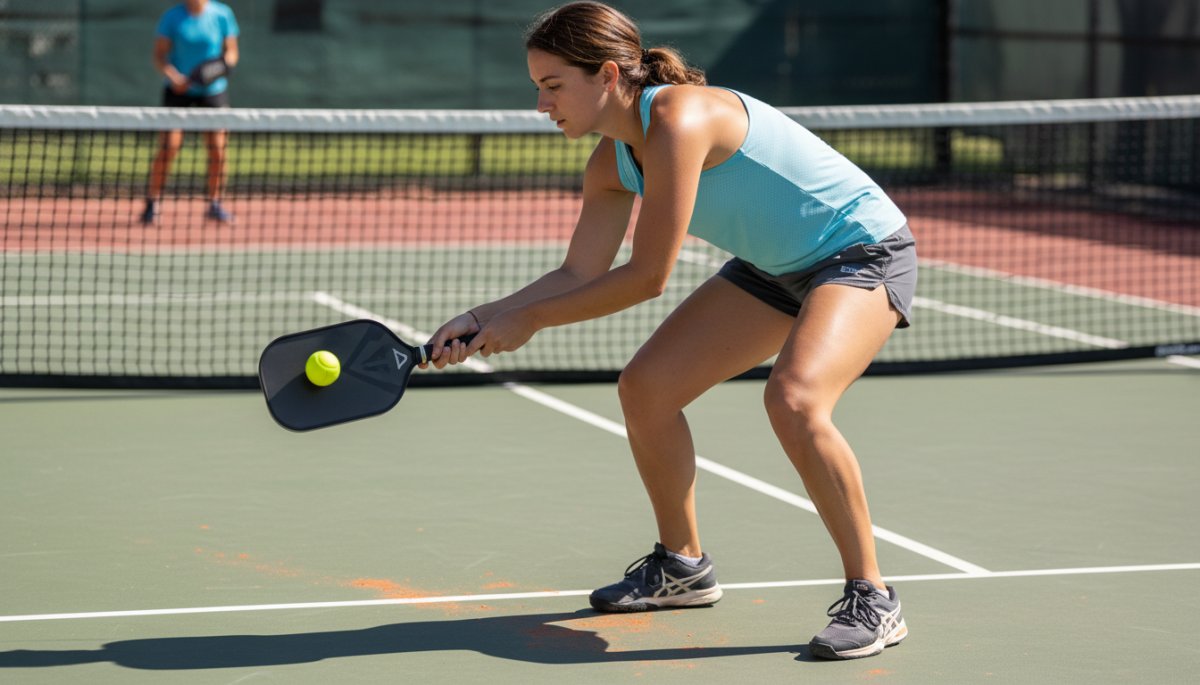

Most people whose dinks aren't stable are matching the ball with their hands. First, try being mindful of only "bend your knees and match the height with your feet." Rather than keeping it going continuously, remaking a low stance for each ball actually makes rallies last longer.
FAQ
What's the difference between a dink and a drop shot?
Both are shots that softly drop the ball just over the net, but the position you hit from differs. A drop shot is dropped from the back to the front of the net, whereas with a dink you too rally from the front of the net (just outside the non-volley zone). A dink is a delicate close-range exchange that both players carry out at the net.
My dink isn't stable. What should I fix?
In most cases, the cause is one of three: "feet, contact point, or wrist." Fixing these three—bending your knees to about 120 degrees and matching the height with your feet, touching the ball at the peak of the contact point without waiting for it, and swinging small with elbow drive instead of sweeping with your wrist—greatly raises your consistency.
Where should I aim the dink?
The basics are to aim at your opponent's backhand side or the direction that moves them. Hitting cross-court makes their travel distance longer, making it easier to break them down. When you want to attack, aim deep at their feet; when you want time, aim shallow just in front of the kitchen—use each aim as appropriate.
When do I switch from a dink rally to an attack?
When you've moved your opponent and a weak, floating ball comes. During the rally, change direction—cross, then middle, then cross—to break them down, and when a floating ball comes, put it away without hesitation by speeding up. Be careful that keeping it going doesn't become the goal in itself.
Summary: Master the dink to dominate the match
The dink shot is an essential technique for winning at pickleball.
Once you've solidified the basic stance, position, and paddle work, add variety with cross-court, spin, and hitting deep and shallow. If you control the tempo by switching between deep and shallow and raise your precision and disguise with topspin and the two-handed backhand, your play reaches a level higher.
Eliminate the three causes of mistakes (feet, contact point, wrist) and your consistency shoots up all at once. Break your opponent's stance with shot placement, and when it floats, collect it without hesitation. Start with the warm-up first, and lead the rally while thinking one and two shots ahead. The one who masters the dink masters pickleball.
Related Articles Worth Reading
- How to Improve Pickleball Footwork | Efficient Court Coverage and Weight Transfer
- Mastering the Pickleball Lob | When to Use It, How to Hit It, and How to Defend
- Pickleball Poaching Tactics | Interception Skills to Score More in Doubles
- Mental Toughness in Pickleball | Handling Pressure in Matches and Recovering From Mistakes
- A complete explanation of pickleball skill ratings (2.0–5.0)
Related Articles