Footwork Changes Your Play
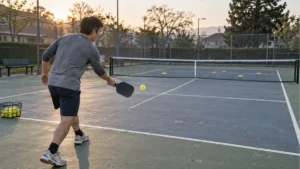
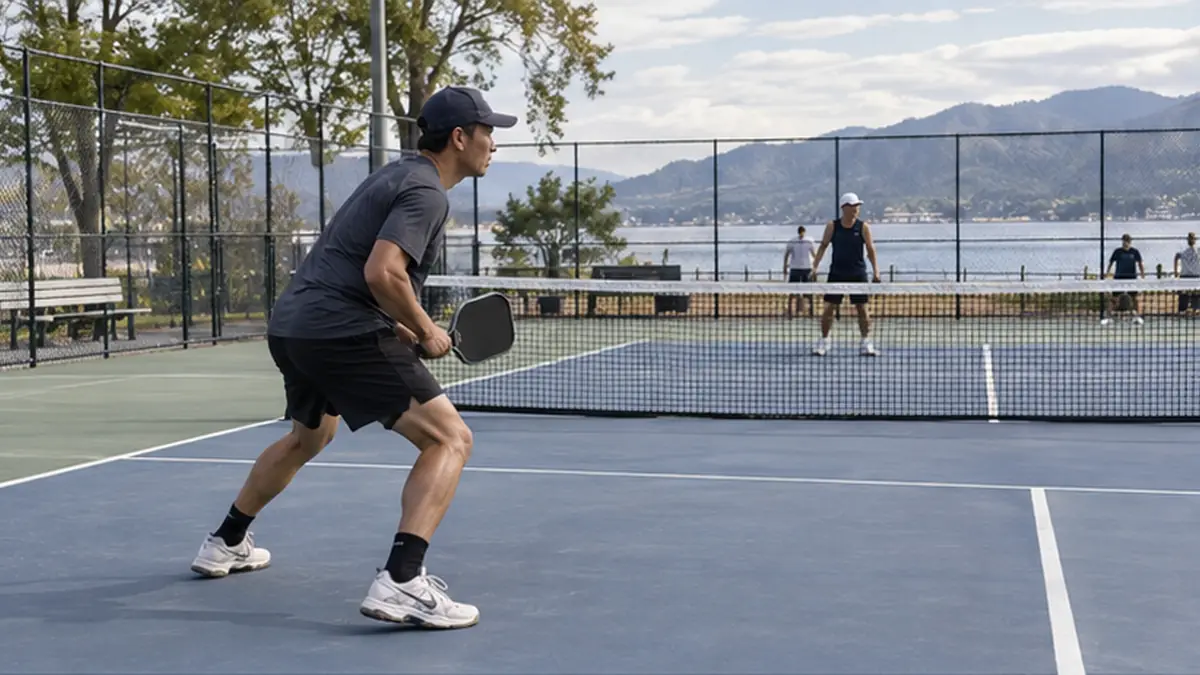
In pickleball, footwork is one of the most underrated skills. No matter how good a paddle you have, if your feet can't get you to the right position, you can't hit good shots. Conversely, as long as your footwork is good, you can compete well even with a mediocre paddle.
Because the pickleball court isn't as big as a tennis court, there's little all-out sprinting, but in exchange, fine steps and position adjustments are frequently required. The quality of these "small movements" is a major factor separating intermediates from advanced players.
The Basic Split Step
The split step is the move that is the starting point of all footwork. It's the action of lightly jumping with both feet and landing the moment your opponent hits the ball. This small jump creates a "neutral position" from which you can react quickly in any direction.
Timing is important: ideally, you jump in time with your opponent's swing and land at the moment of impact. On landing, bend your knees slightly and keep your center of gravity low. This lets you start moving instantly in any direction — front, back, left, or right.
Moving to the Net (Transition)
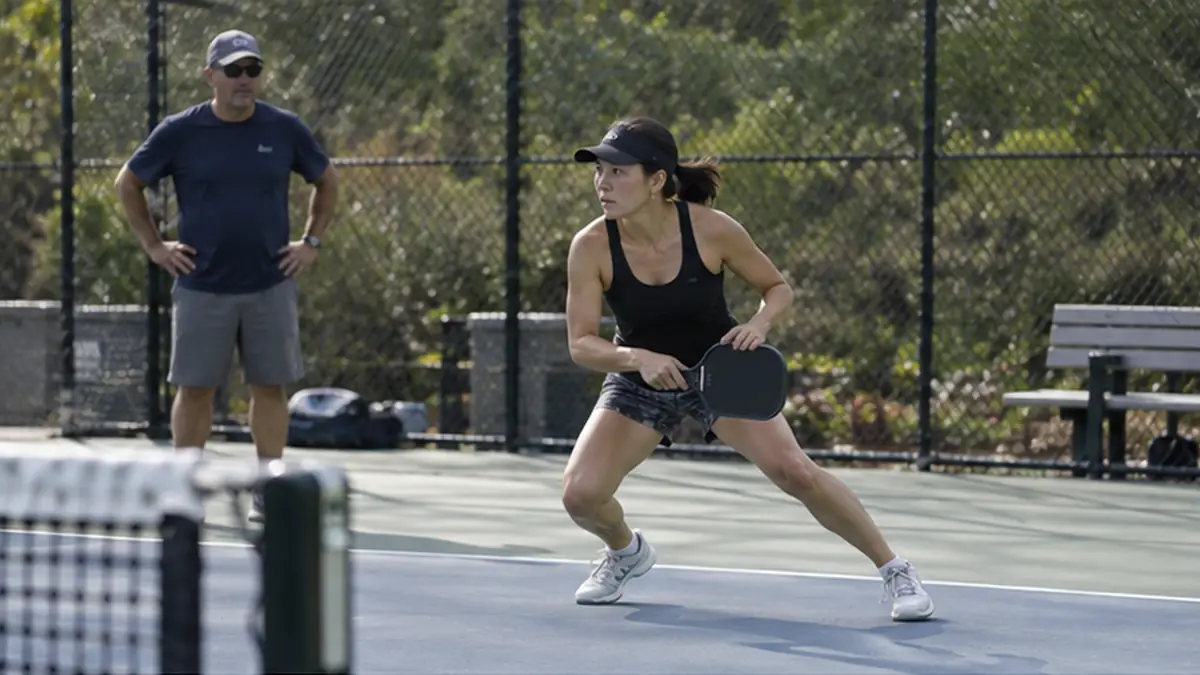
The most important movement in pickleball is advancing from the baseline to the kitchen line. This movement is called the "transition."
Don't Run All at Once
A common mistake beginners make is running all the way in to the net at once. If the ball comes while you're moving, you won't be able to respond. The correct transition is a repetition of "hit → move → stop → hit → move."
The Point Where You Stop
After hitting the ball, step 2 or 3 paces forward and stop. At the moment your opponent hits the ball, stop with a split step and prepare for the next shot. Repeating this "move → stop" rhythm, you approach the net in stages.
Lateral Movement
Side Step
Lateral movement in front of the net is based on the side step (crab walk). Without crossing your feet, move as if sliding sideways. If your feet cross, your body balance breaks and your recovery in the opposite direction is delayed.
Crossover Step
When you need to move sideways a lot, use the crossover step. First set your direction with a side step, then gain distance with a cross step. It's an effective move when you've been pulled wide.
The Basics of Weight Transfer
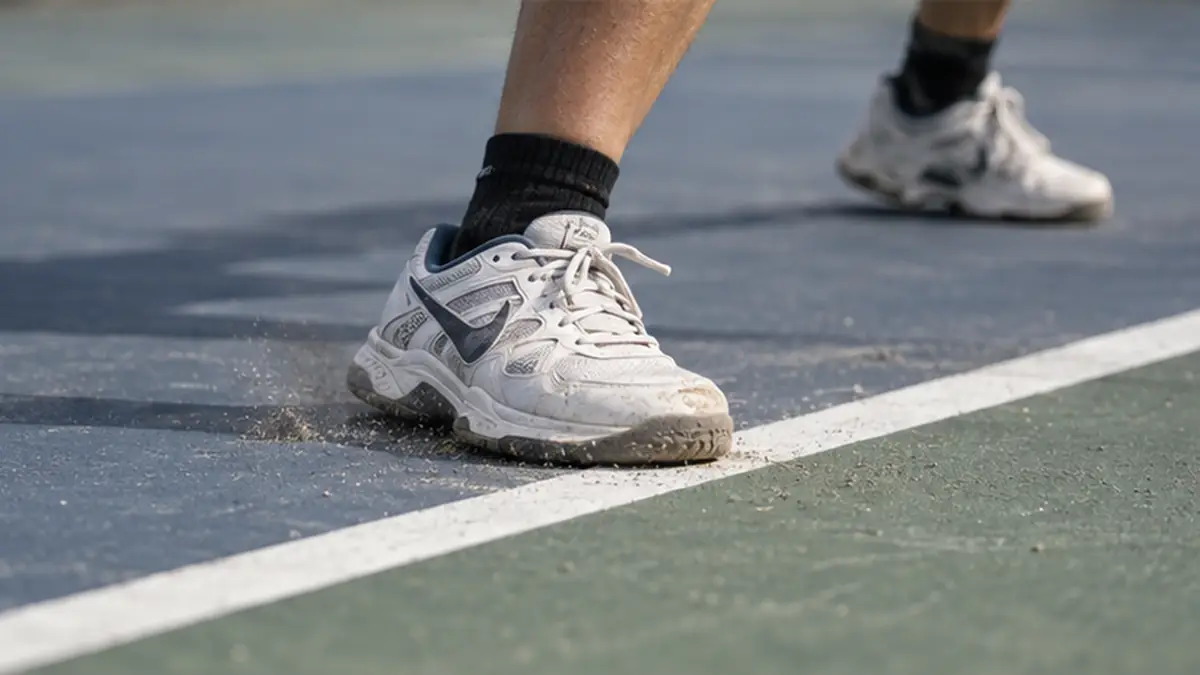
To hit good shots, weight transfer is essential. The basic is "transferring weight from the back foot to the front foot." Load your weight onto the back foot during the shot-preparation stage, and move it to the front foot as you swing.
In particular,dinkthe image of hitting with your feet is important. Rather than trying to send the ball with the strength of your arm, learn the sensation of sending the ball out with the energy of weight transfer.
Training to Improve Footwork
Ladder Training
Footwork practice using an agility ladder. It improves quick stepwork and the turnover speed of your feet. With 5 minutes of ladder training two or three times a week, your foot movement on the court improves remarkably.
Shadow Pickleball
Practice moving around the court without a ball. By repeating the transition from baseline to net, lateral movement, and the split step, you get your body to memorize the movement patterns.
Side-to-Side Shuttle Runs
Shuttle runs using the width of the court. Quickly go back and forth from sideline to sideline. It's also effective for improving cardiopulmonary function, leading to tenacity in the late stages of a match.
Related Articles Worth Reading
- Mental Toughness in Pickleball | Handling Pressure in Matches and Recovering From Mistakes
- Mastering the Pickleball Lob | When to Use It, How to Hit It, and How to Defend
- Breaking Through the Intermediate Plateau in Pickleball | 5 Habits Holding You Back and How to Fix Them
- Completely Mastering the Pickleball Third-Shot Drop | Why It Matters and How to Practice It
- Mastering the pickleball smash | How to hit the put-away and practice drills
Reference Links
Related Articles