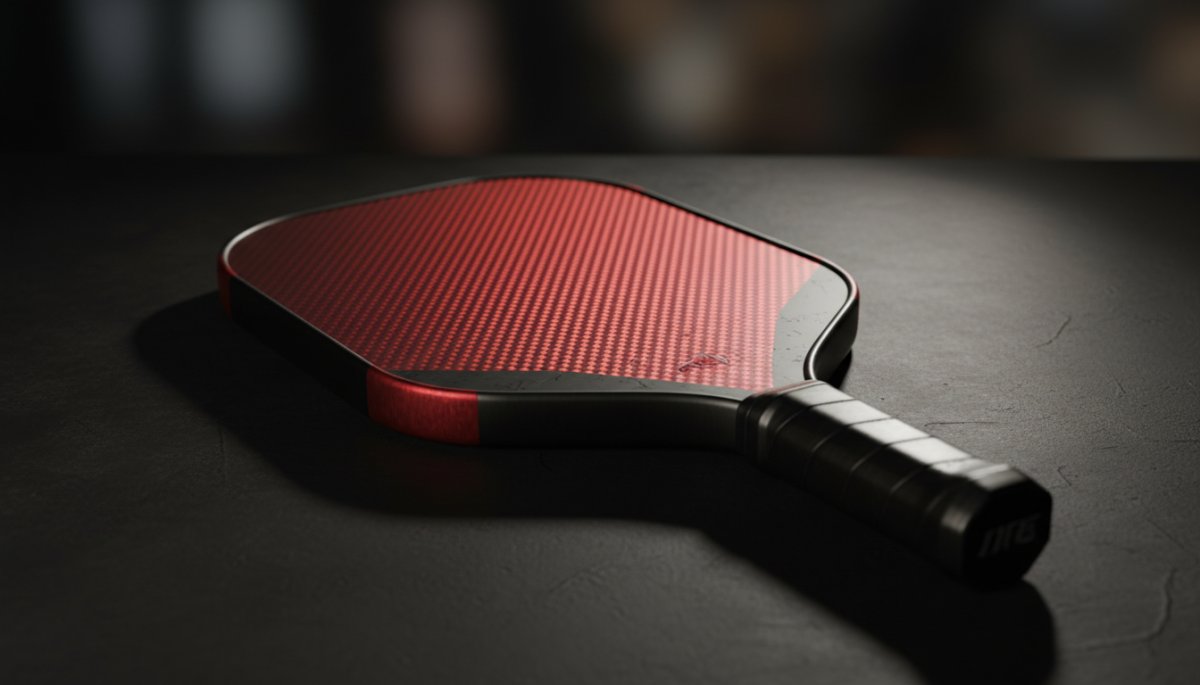
Have you ever thought, when choosing a pickleball paddle, "I want to get pro-grade performance"?
The signature model ofBen Johnswho keeps running at the top world rank, is proof that JOOLA, the prestigious name of the table-tennis world, has entered the pickleball market for real.
The high spin performance and control produced by its textured carbon face and TFP (TechFlex Power) technology. This article thoroughly explains the true ability of JOOLA's Ben Johns model.
[PR] This article uses an affiliate program (Amazon Associates).
The model explained in this article
JOOLA Ben Johns Perseus 3S (UPA-A/USAP Certified)
A high-end model supervised by world top player Ben Johns. A certified model and a go-to for those seriously aiming for tournaments.
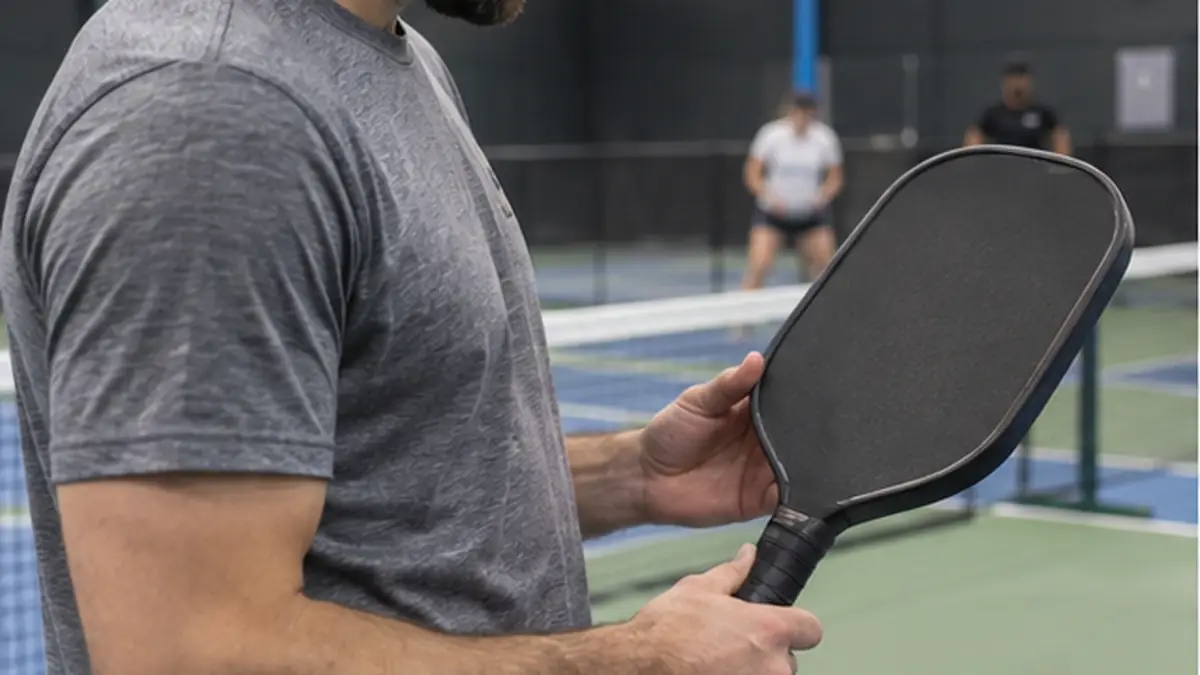
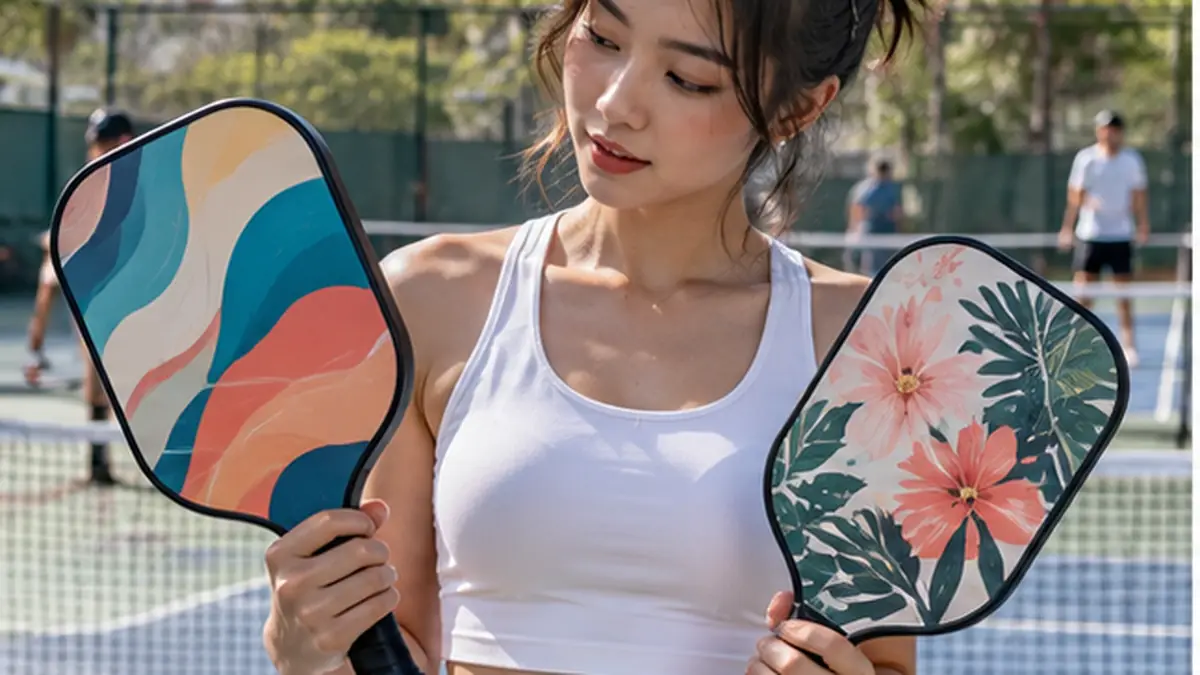
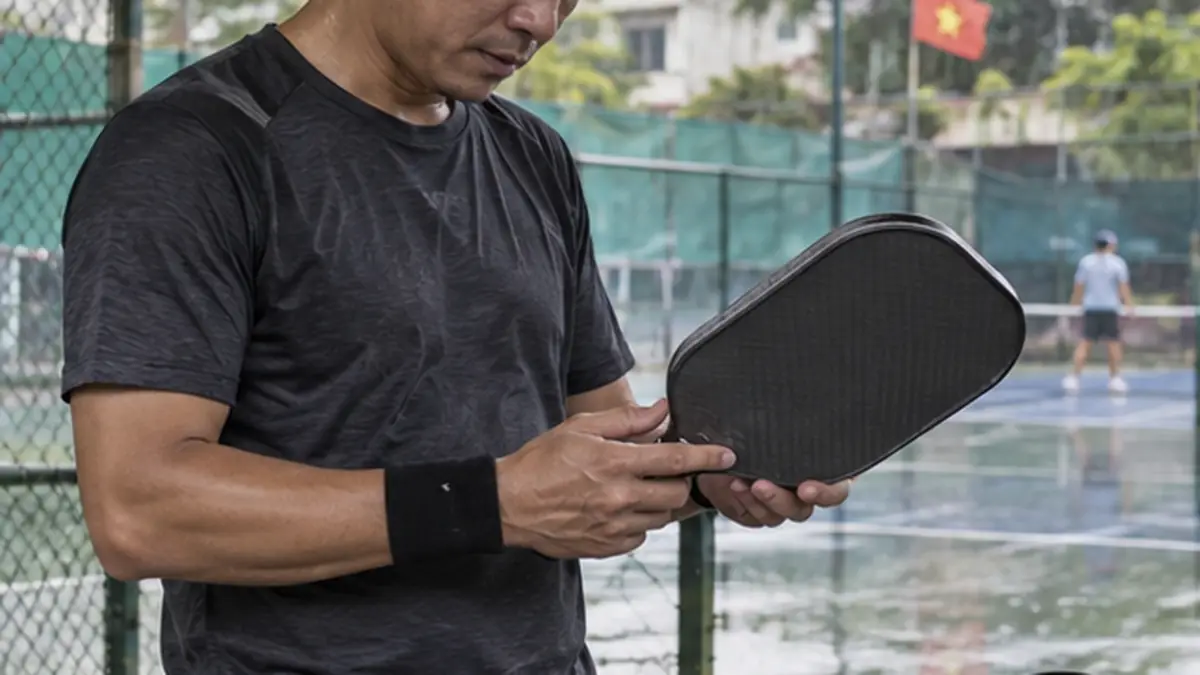
The Evolution and Features of JOOLA's Ben Johns Model
JOOLA entered the pickleball market in 2022 and, in just a few years, completely changed the industry's trends. The driving force behind that was its contract with world top player Ben Johns.
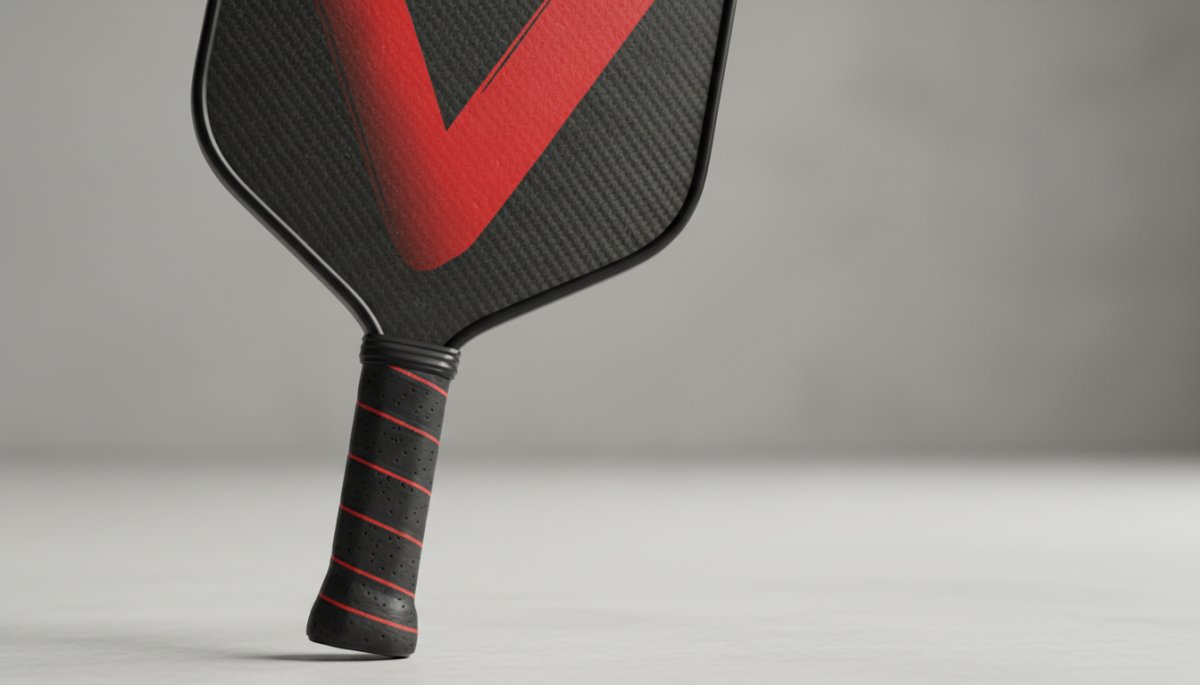
The Innovative Technology of the Perseus Pro IV Series
The Perseus Pro IV, which appeared in March 2025, evolved significantly from the previous Perseus 3S model.
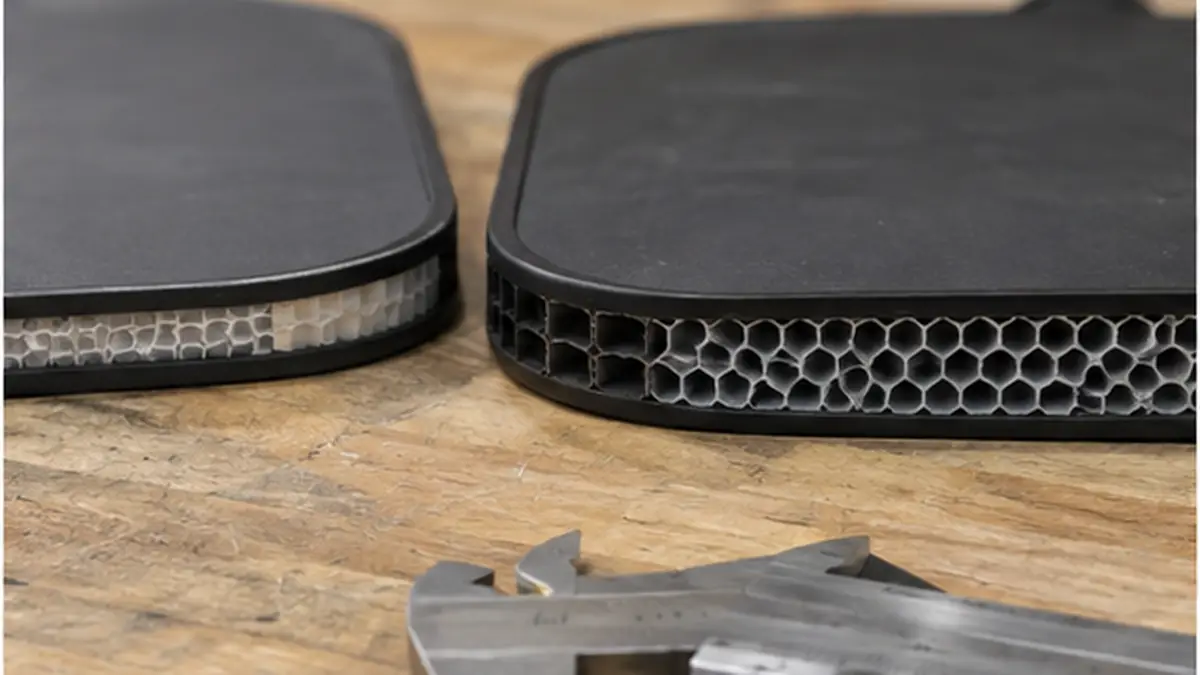
Its greatest feature is the inclusion of patent-pending TechFlex Power (TFP) technology. With this technology, foam on the outside of the frame optimizes weight distribution and flex, increasing shot precision and power, and tolerance for mishits.
The combination of the Propulsion Honeycomb Core and TFP technology delivers powerful drives and a wide sweet spot. Furthermore, the Hyperfoam Edge Wall around the paddle's perimeter increases stability and widens the sweet spot.
The Difference Between the 14 mm and 16 mm Models
The Perseus Pro IV comes in two thicknesses, each optimized for a different playing style.
The 14 mm modelhas a strong "pop" sensation on contact, providing a springy response. It's ideal for quick punch shots at the net, and the handle circumference is a somewhat slim 4.125 inches (about 10.4 cm).
The 16 mm modeldelivers "punch-through" power from its thick core, enabling stable shots on drives and put-aways. The handle circumference is 4.25 inches (about 10.7 cm), providing a firm grip feel.
| Item | The 14 mm model | The 16 mm model |
|---|---|---|
| Feel | A strong, springy pop | Punch-through power from a thick core |
| Suited play | Fast punches at the net | Stable drives and put-aways |
| Grip circumference | About 10.4 cm (4 1/8 inches) | About 10.7 cm (4 1/4 inches) |
| Average weight benchmark | About 224 g | About 230 g |
| Recommended for | Speed and reaction focused | Control and stability focused |

Editor's Note
If you're torn on thickness, the benchmark is 14 mm for those who want to push aggressively with speed, and 16 mm for those who want to reduce mistakes and control. In Japan many people find the grip on the thicker side, so the 14 mm (4 1/8 inches) can fit the hand better in some cases.
The Performance Edge Carbon Fiber Technology Delivers
The Pro IV's face uses a textured carbon-fiber surface.
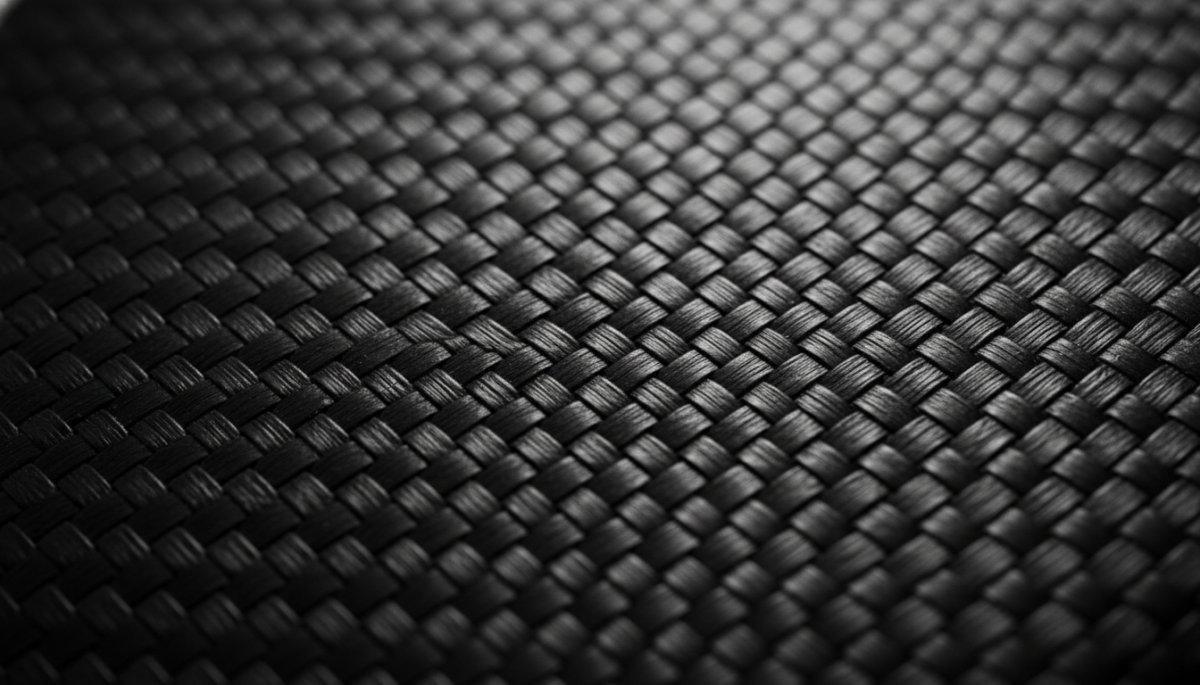
The Secret of Its Spin Performance and Surface Treatment
Applying the rubber and racket manufacturing technology cultivated in table tennis, JOOLA has earned an outstanding reputation for its carbon-fiber surface treatment. The know-how of "catching the ball on the face and applying spin," accumulated over years as a table-tennis brand founded in 1952, carries directly into its pickleball spin design — that's its strength.
The Perseus Pro IV has grit treatment compliant with USAP regulations, keeping spin performance above a certain level while enabling use in official tournaments. The surface texture resembles the Mod TA-15, and compared with the Gen3 series, the carbon-fiber surface is smoother.
Yet the spin performance is at a level very close to the previous 3S model, making for an ideal balance for competition-minded players.
Features of the Hyperion C2 cfs Model
The Ben Johns Hyperion C2 cfs 16 mm is known as a masterpiece of the previous generation, a high-end model designed for competitors who seek precision in control and spin.
The combination of Charged Carbon Surface technology and Carbon-Flex5-treated carbon fiber strengthens pop and power while keeping spin performance and dwell time. The 16 mm-thick honeycomb core delivers stability, vibration absorption, and a wide sweet spot, and a newly added carbon frame improves durability.
SST Technology and a Comparison with Other Brands
Taking an innovative approach to the internal structure of pickleball paddles isGearbox's SST (Solid Span Technology).
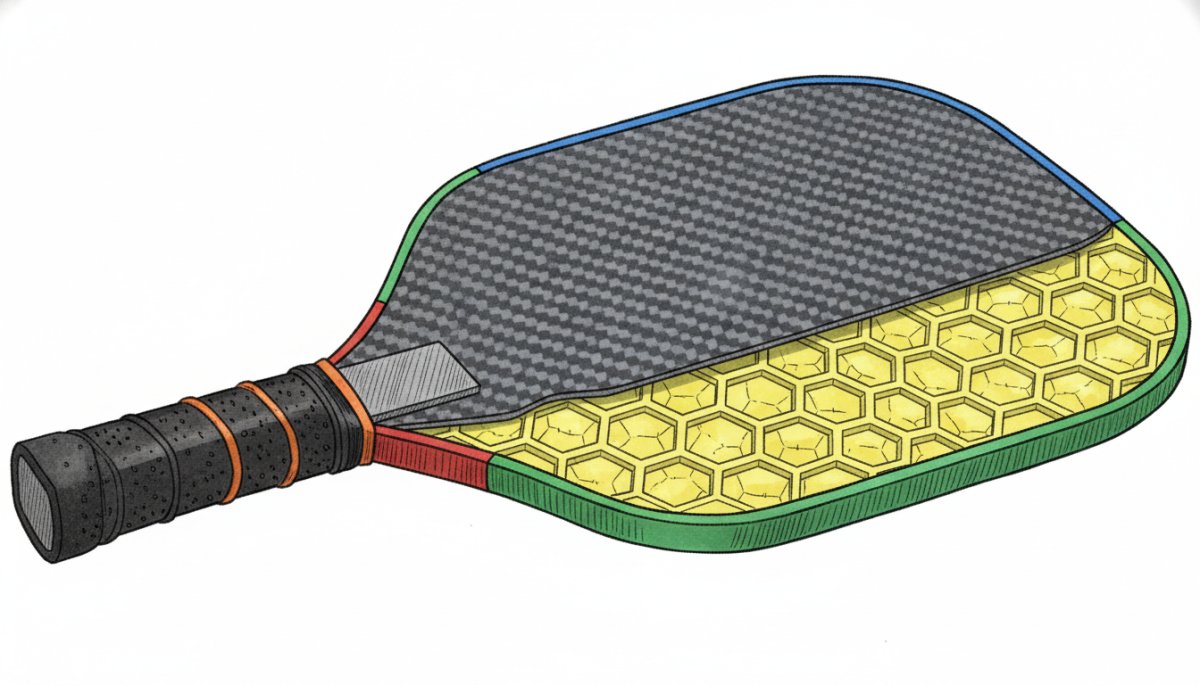
The Difference from Honeycomb Cores
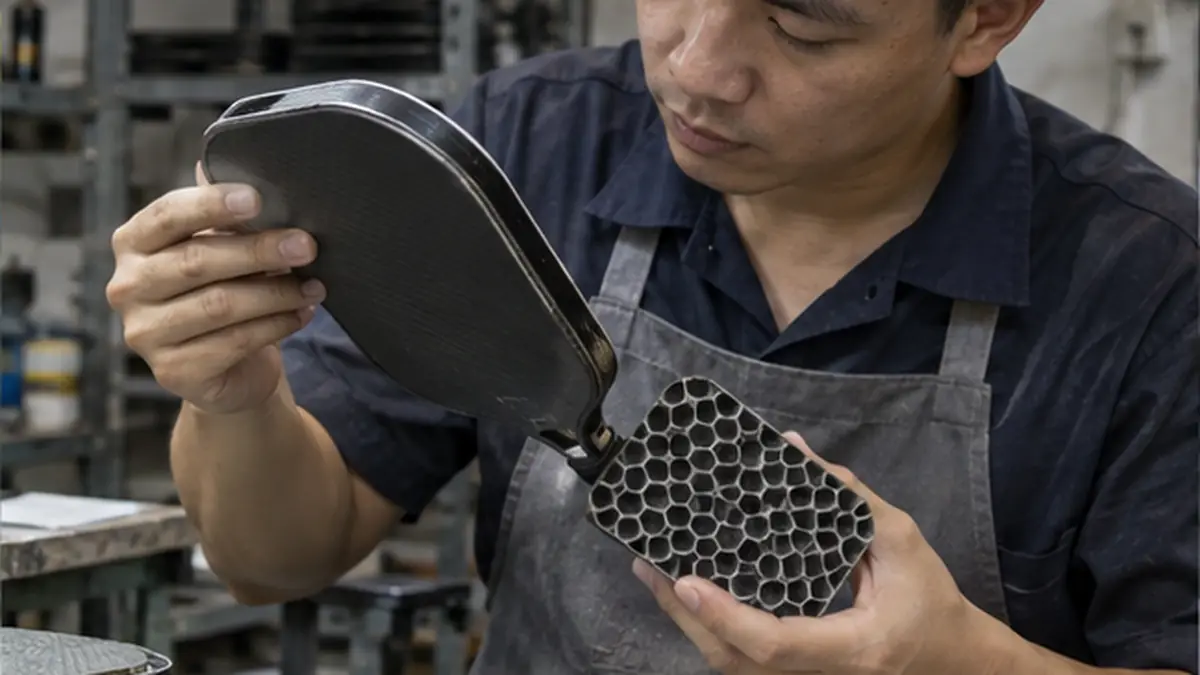
While many brands use a honeycomb core (a beehive-like resin), Gearbox uses a proprietary internal structure of aligned carbon-fiber chambers (ribs).
With this structure, failures like core caving-in and delamination physically don't occur, boasting astonishing durability where the feel doesn't change even after years of use. The ball feel is very hard and direct so preferences are divided, but its power and speed, plus the reassurance of being "unbreakable," give it a base of devoted fans.
A Comparison with JOOLA's Proprietary Technology
JOOLA developed a technology that injects foam (a foamed material) around the paddle's perimeter to widen the sweet spot.
This "Hyperfoam Edge" technology has the effect of making it harder to lose control even on mishits. In contrast to Gearbox's hard feel, JOOLA paddles balance a soft feel and high control performance.
It's not which is superior but that the best choice differs by playing style.
The Points Where the Perseus Pro IV Evolved
The Perseus Pro IV is a model that refines several points on the foundation of the popular previous Perseus 3S model. Those considering an upgrade will find it easier to choose by grasping what has changed.
TFP Technology That Boosts Precision and Reduces Fatigue
The biggest evolution is the patent-pending TechFlex Power (TFP) technology. Foam on the outside of the frame optimizes weight distribution and flex, aiming to increase power, the sweet spot, and tolerance for mishits. In combination with the Propulsion Honeycomb Core, it balances a soft feel and power.
Strengthening Durability While Maintaining Spin Performance
The surface texture treatment complies with USAP regulations while maintaining spin performance close to the 3S model. In addition, the perimeter Hyperfoam Edge Wall and carbon frame boost stability on mishits and durability with long-term use. For competitors who make spin their weapon, a design that can be used for a long time without dropping performance is appealing.
What Kind of Player It Suits
The Perseus Pro IV is a high-end, competition-minded model. The thickness you should choose and the benefits you get change with your playing style.
Offensive Players Who Want to Attack with Speed
If you're an offensive player who uses a lot of fast punch shots at the net, the pop-heavy 14 mm fits you. With its springy response, you can create fast exchanges that give the opponent no time to react. It suits people who favor a hand-speed battle using the wrist.
People Who Value Control and Stability
If you want to suppress mistakes and dominate long rallies, it's the 16 mm. The thick core absorbs vibration and the sweet spot is wide, so the precision of dinks and third-shot drops stays stable. It's a thickness with good compatibility for a style that builds from defense.
Can Beginners Use It
You can handle it, but since it's expensive and its performance is competition-oriented, it's a bit overspec as a first paddle. It's realistic to first solidify the basics with a mid-price option, then choose it as a second paddle or step-up after your playing style is set. For how to choose paddles in general, seethe complete paddle-choosing guide.
Actual Feel of Use and User Reviews
Not just theory and specs — the voices of players who have actually used it are important material for judgment. Here we organize the ratings visible from user reviews.
Ratings of the Hyperion C2 Model
Many voices say, "The control is wonderful, and the pop is plenty too."
One user rates it, "Not only is the ball feel wonderful, the spin clearly improved. The control is outstanding too." There are also voices praising its vibration-suppression performance: "I hurt my elbow andSelkirk could no longer use the Invikta, but this one's control works and it helps."
Performance Comparison of the Perseus Pro IV
The Perseus Pro IV has improved spin performance and durability compared with the previous 3S model.
USAP & UPA-certified models and UPA-only models have been released, supporting use in the PPA and official tournaments. With the adoption of an improved grip and highly durable carbon material, it's designed to maintain performance even with long-term use.
Price and How to Buy
The regular price of the Ben Johns Perseus Pro IV 16 mm is about $279.95 at U.S. list, and around 45,760 yen (tax included) in Japan.
In Japan, it can be bought at pickleball-specialist shops such as "PICKLEBALL ONE STORE." It's a reasonable price band for a high-performance paddle and an option worth the investment for intermediate-to-advanced players who want pro-grade performance.
Things to Check When Buying
If you're thinking of using it in official tournaments, always check whether it's a corresponding certified model, such as USAP PBCoR .43 certification. The Perseus Pro IV comes in USAP & UPA-certified and UPA-only models, and whether it matches the rules of the tournament you plan to enter is the deciding point. Parallel-import goods are cheaper, but warranty and after-sales support can be harder to get, so if you're using it for a long time, buying from an authorized dealer gives peace of mind. The grip is 4 1/8 inches for the 14 mm and 4 1/4 inches for the 16 mm, so choosing to match your hand size keeps handling stable.
Care for Long-Term Use
Even a high-performance paddle loses spin performance when the surface gets dirty. After play, wipe dust off the surface with a dry cloth, and avoid leaving it in direct sunlight or a hot car interior. If you feel looseness in the edge guard or something off about the core, inspect it early, and if you use it in competition, regularly check the surface grit condition to maintain its original performance.
Summary: An Overall Assessment of JOOLA's Ben Johns Model
The JOOLA Ben Johns signature model is a true pro-grade paddle, fusing the manufacturing technology of a table-tennis giant with the insight of a top pickleball player.
The combination of Charged Carbon Surface technology and TFP technology delivers the triple threat of spin performance, control, and power at a high level. With the 14 mm and 16 mm options, it can handle a wide range of styles, from aggressive to defensive play.
The price is by no means cheap, but considering the durability and performance, it's more than worth the investment for competition-minded players. Choosing 14 mm as your benchmark if you attack aggressively with speed, or 16 mm if you seek control and stability, and checking the certification requirements of the tournament you enter and the grip size that fits your hand, will make it a paddle you can stick with for a long time.
Try choosing the JOOLA Ben Johns model that best fits your playing style.
FAQ
Who is the JOOLA Ben Johns paddle for?
It's for intermediate-to-advanced competition-minded players who want spin and control at a high level. The benchmark is 14 mm for offensive players and 16 mm for those who emphasize control. Because it's expensive, it's a bit overspec for a beginner's first paddle.
Which should I choose, 14 mm or 16 mm?
If you emphasize pop and speed, it's 14 mm; if you emphasize control and stability, it's 16 mm. The grip circumference is 4 1/8 inches for the 14 mm and 4 1/4 inches for the 16 mm, so you can also choose by hand size.
How much does the Perseus Pro IV cost?
The regular domestic price of the Ben Johns Perseus Pro IV 16 mm is around 45,760 yen (tax included). It's a reasonable price band for a high-performance paddle and can be bought at pickleball-specialist shops.
Can it be used in official tournaments?
There are USAP & UPA-certified models and UPA-only models, and you can use it once you check that the certification matches the rules of the tournament you enter. Check for notations such as USAP PBCoR .43 certification.
Is it worth upgrading from the 3S model?
TFP technology boosts precision and reduces fatigue, and the Hyperfoam Edge Wall and carbon frame increase stability and durability. Because spin performance is maintained at a level close to the 3S, it's worth upgrading for people who use it in competition for a long time.
This site is a participant in the Amazon Associates Program, an affiliate program designed to provide a means for sites to earn referral fees by advertising and linking to Amazon.co.jp.
Related Articles Worth Reading
- JOOLA vs. CRBN Paddle Comparison | Which One Suits You?
- The Six Zero Brand Explained | The Innovation Behind the Double Black Diamond and the Full Lineup
- A thorough review of the Head Radical Pro paddle | A major tennis brand's pickleball-entry model
- Onix Graphite Paddle Review | Why It's Chosen by Value-Focused Beginners to Intermediates
- A thorough review of the Diadem Warrior | Its rating for control-focused players
Reference Links
Related Articles