この記事の要点
- ピックルボールパドルの重量は、大きく3つのカテゴリーに分けられます。
- 市販されているパドルの多くは中量級に分類されます。
- 軽いパドルの最大のメリットは操作性の高さです。
Paddle Weight Classification
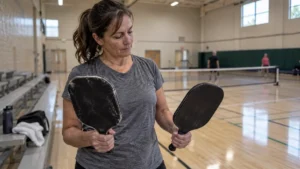
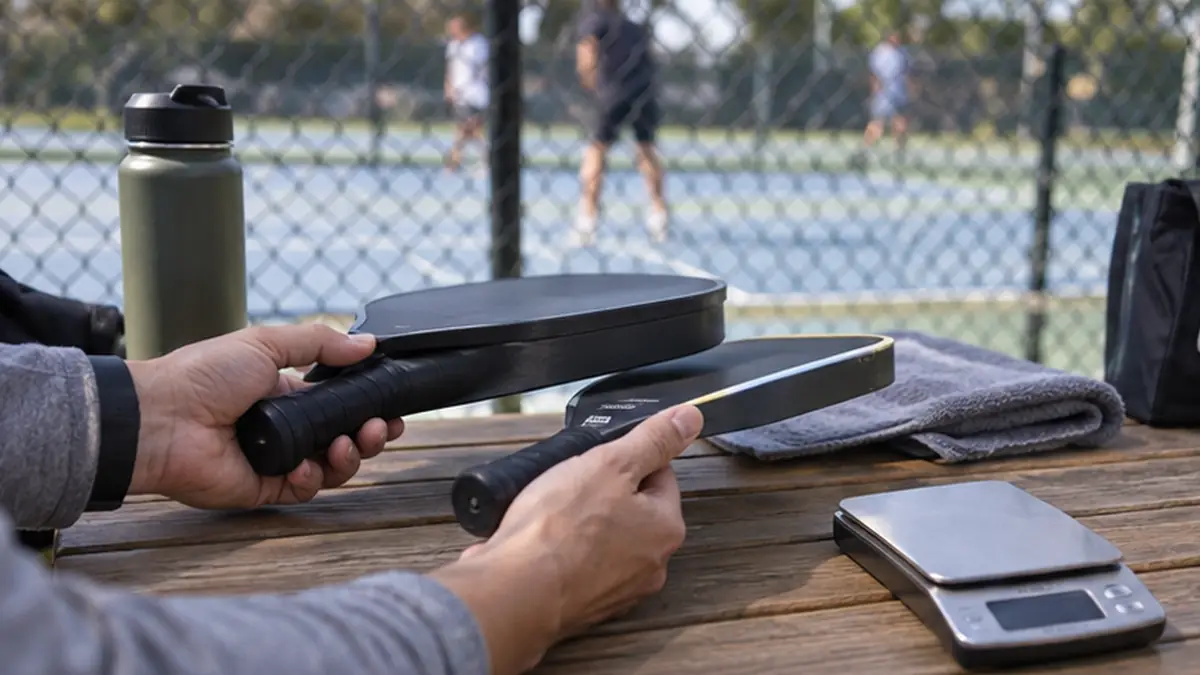
Pickleball paddle weight broadly falls into three categories: lightweight (under 200g / under 7.0oz), midweight (200–240g / 7.0–8.4oz), and heavyweight (240g and up / 8.4oz and up).
Most paddles on the market fall into the midweight class. When choosing your first paddle as a beginner, we recommend starting with midweight and adjusting from there to suit your playing style.
Pros and Cons of Light Paddles
Pros
The biggest advantage of a light paddle is high maneuverability. Quick swings are possible, and your reaction speed ondinkrallies and volleys at the net improves. Fine control using the wrist is also easier, suiting touch-based shots.
Also, since the strain on your arm is less, you don't tire as easily even during long play. For senior players and those with concerns about their elbows or wrists, a lightweight paddle is an option that lets you enjoy play while protecting your body.
Cons
The biggest downside is that it's hard to generate power. Since smashes and drives lose punch with a light paddle, it's unsuited to a power-based playing style that muscles the ball through.
Also, you tend to get pushed back by an opponent's strong shots, and there are moments where stability is lacking. Since the paddle wobbles more at ball impact, a firm grip and swing are required.
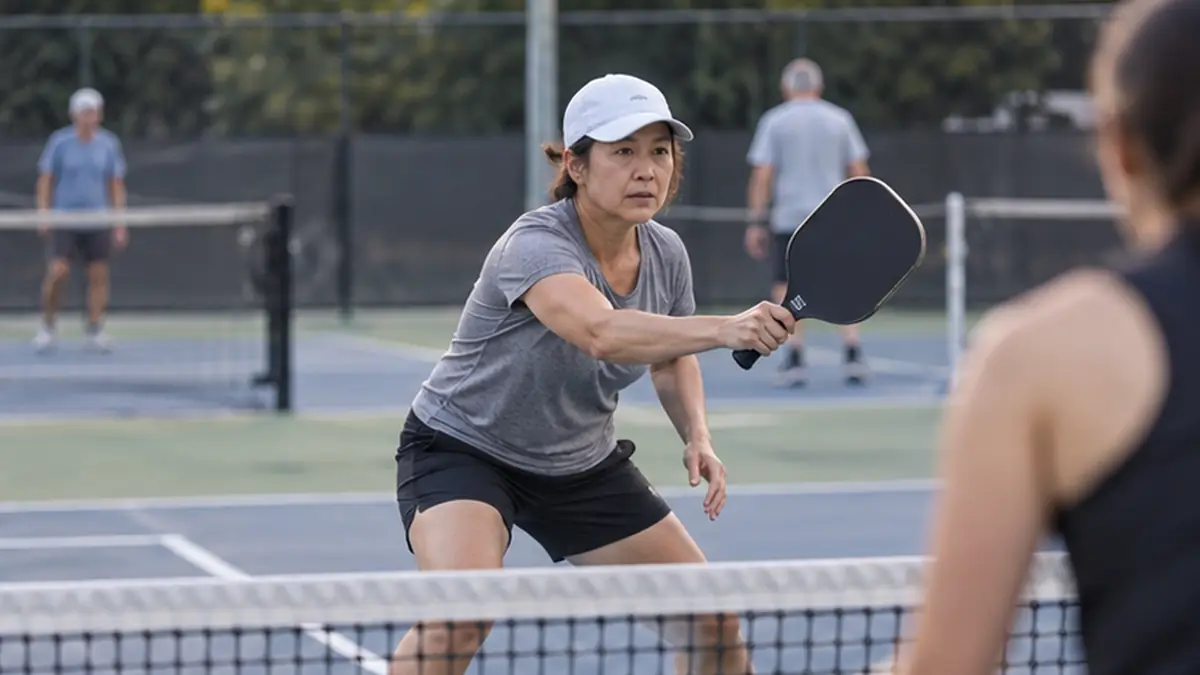
Pros and Cons of Heavy Paddles
Pros
重いパドルはパワーショットに高い優位性があります。スマッシュやドライブの威力が増し、相手を押し込む攻撃的なプレーが可能に。ベースラインからのハードヒットが武器になります。
Stability is high too, and one benefit is that the paddle doesn't wobble even when receiving your opponent's hard hits. Because of the stability at impact, the precision of returns and block shots improves.
Cons
Maneuverability is sacrificed. In net-front rallies that require quick swings, your reactions tend to lag. Especially in fast hands battles (high-speed volley exchanges at the net), a light paddle is more advantageous.
Fatigue is also a big issue. Keep swinging a heavy paddle for a long time and fatigue builds in your arm and shoulder. There's a risk that your swing speed drops in the latter half of a match and performance declines.
How Weight Affects Your Playing Style
The Dinker Type
For dinkers who center their game on the soft game, a lightweight to midweight paddle is recommended. Making the most of maneuverability and touch, you can raise the precision of your delicate shots.
The Banger Type
For bangers who center on power shots, a midweight to heavyweight paddle suits. It draws out the maximum punch of your drives and smashes, enabling a game that overwhelms the opponent.
The All-Rounder Type
For all-rounders who value a balance of offense and defense, midweight (around 210–230g) is ideal. In a weight range that balances power and control, you can adapt to any situation.
How to Adjust the Weight
You can adjust a paddle's weight after the fact by applying lead tape. Applying tape to the head of the paddle adds power; applying it near the grip improves maneuverability.
Conversely, the ways to make it lighter are limited, but you can achieve slight weight savings by removing the edge guard or swapping to thinner grip tape.
First, play with the paddle you already have, and follow this flow: if you feel a lack of power, add weight; if you're unhappy with maneuverability, switch to a lighter paddle. That's how you'll find your optimal weight.
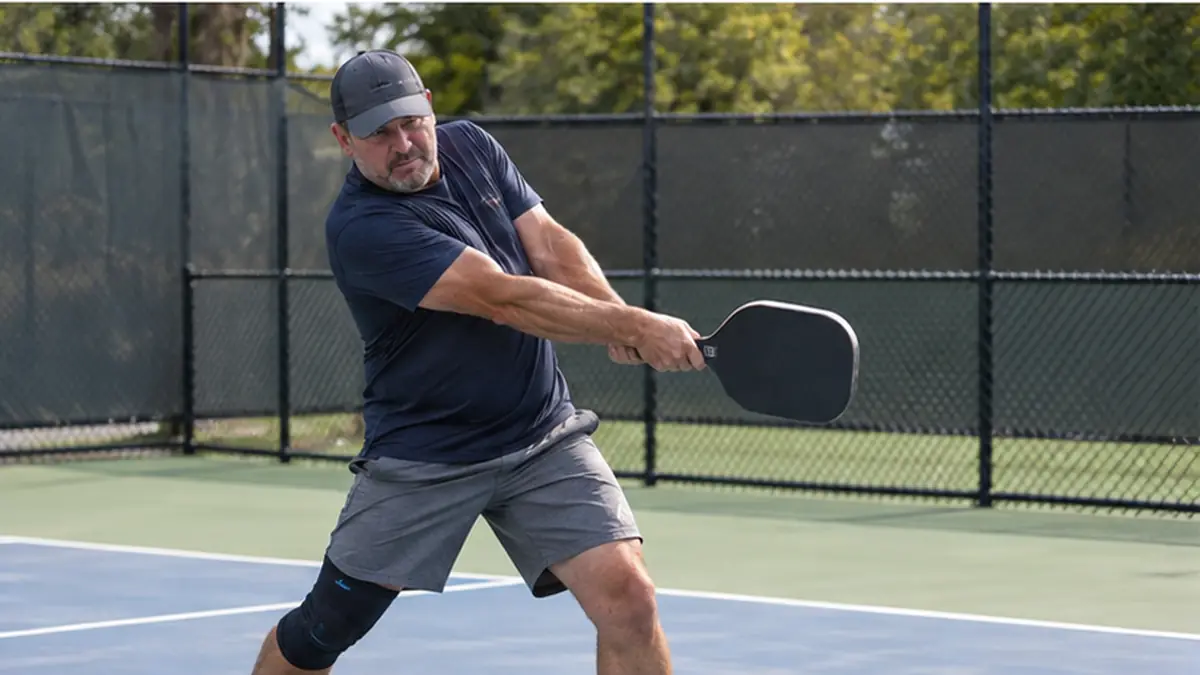
購入前はスペック表より「合わない条件」を確認する
パドルは、同じ素材名でも厚み・形状・重量配分で扱いやすさが変わります。レビューの評価だけで決めず、次の順で自分との相性を確かめてください。
- 大会で使うなら、使用時点の承認リストにモデル名があるか確認する
- 総重量だけでなく、先端が重く感じるか、手元が重く感じるかを試す
- グリップ長と太さが片手・両手バックハンドに合うか確認する
- パワー、コントロール、取り回しのうち、何を優先するか一つ決める
- 可能なら短時間でも試打し、振動・打球音・ミスヒット時の挙動を見る
メーカー公称の素材や機能は比較の入口です。実際の打感や身体への負担を保証するものではないため、痛みがある場合は道具だけで解決しようとせず、プレーを中止して専門家へ相談してください。
確認した一次情報
Related Articles Worth Reading
- How to Replace the Grip Tape on a Pickleball Paddle | Choosing the Wrap and the Material
- The Best-Value Pickleball Paddle Selection Guide | Recommendations for Beginners
- The Complete Guide to Choosing a Pickleball Paddle | Material, Weight and Grip
- Solving Your Pickleball Paddle Questions | Explained in Depth in FAQ Form
- Recommended Pickleball Paddle Rankings! From How to Choose to Maintenance
Reference Links
Related Articles