この記事の要点
- Pickleball, which enjoys explosive popularity in the US, is now quietly but surely spreading in Japan too.
- テニス・バドミントン・卓球の要素を融合した新感覚のラケットスポーツで、1965年にアメリカ・ワシントン州で誕生しました。
- 運動量を調整しやすい一方、急停止や方向転換では転倒や関節への負担が生じます。

Why Pickleball Is Drawing Attention in Japan
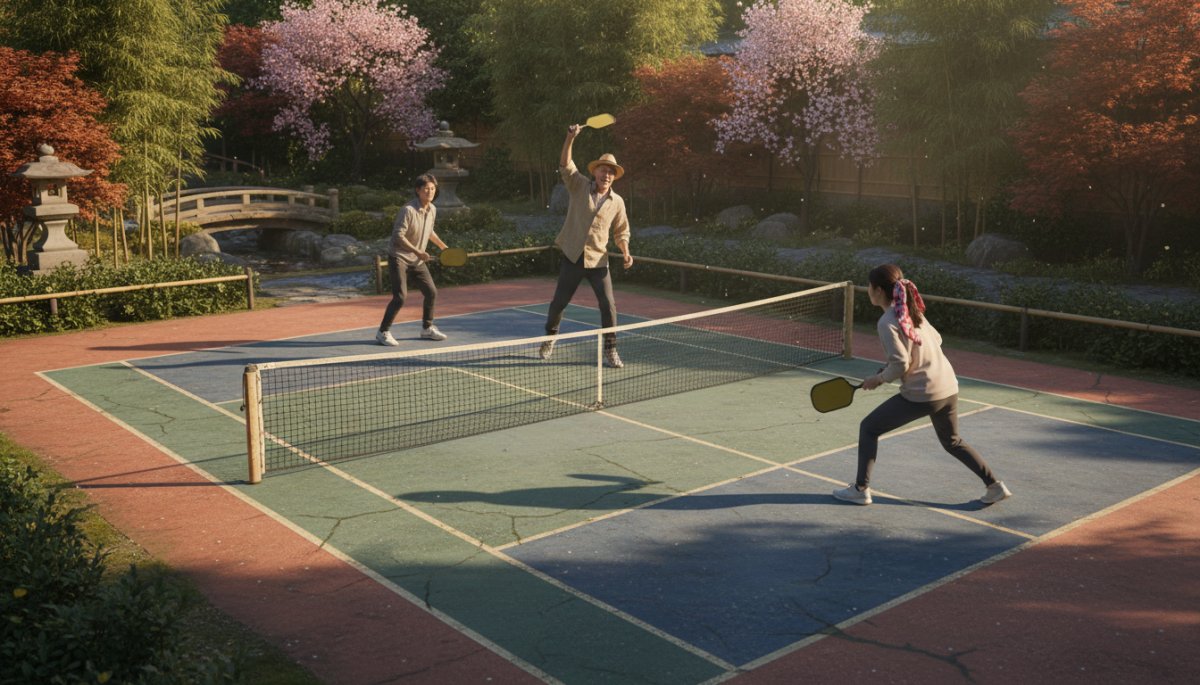
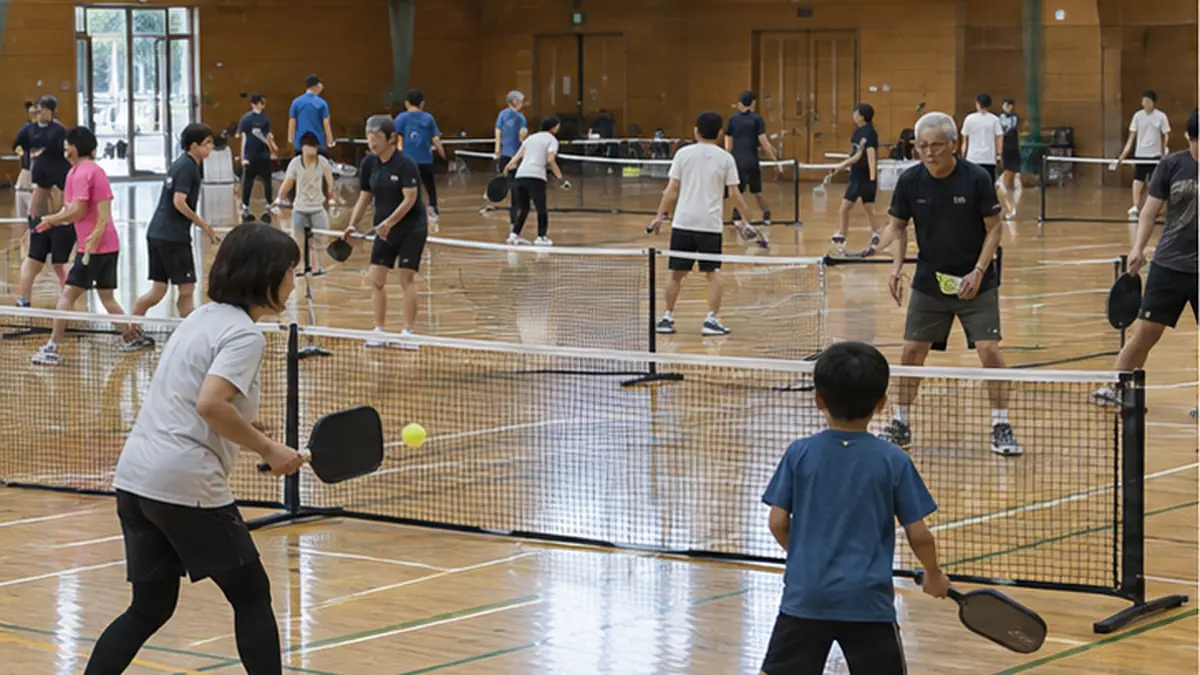
Pickleball, which enjoys explosive popularity in the US, is now quietly but surely spreading in Japan too.
A new-sensation racket sport fusing elements of tennis, badminton and table tennis, it was born in 1965 in Washington State, USA. Its greatest appeal is that anyone can casually enjoy it regardless of age or fitness. The court is about a quarter of a tennis court, and the ball is a lightweight, perforated plastic one. With little intense movement, even beginners can enjoy rallies right away.
運動量を調整しやすい一方、急停止や方向転換では転倒や関節への負担が生じます。年齢や経験だけで安全と決めつけず、体調に合わせた準備と休憩が必要です。リハビリ目的で行う場合は医療専門職へ相談してください。この記事では、日本国内の競技人口や地域別の普及状況、統括団体の動き、専用施設の拡大、そして今後の展望までを、2026年9月26日時点の情報で整理します。
競技人口は「定義」と「調査主体」を確認する
国内の参加者数については民間推計が複数ありますが、全国を同じ方法で継続集計した公的統計は確認できません。「一度体験した人」「定期的にプレーする人」「登録選手」では数字が変わります。
普及状況を見るときは、単一の推計値ではなく、Pickleball Japanが公表する大会、登録制度、施設・地域活動の更新を合わせて確認するのが安全です。
地域別の状況を確認する方法
民間サイトのアクセス比は、そのサイトの読者分布であり、地域別の競技人口を示すものではありません。地域の普及状況は、Pickleball Japanの大会一覧、施設の公式案内、自治体や地域団体の活動情報を組み合わせて確認してください。
The Japan Pickleball Association and the moves of governing bodies
Several governing bodies support the sport's spread across Japan, and major organizational shifts are underway.
The role of the Japan Pickleball Association (JPA)
Founded in 2015, the Japan Pickleball Association (JPA) is the central organization responsible for standardizing and promoting the sport.
It has established a player registration system, setting up a framework that governs eligibility for sanctioned tournaments and inclusion in the Japan rankings. It accepts both individual and group registrations and can plan sanctioned courts and tournaments. It holds clinics and trial events nationwide, working to create an environment where even beginners can take part easily. For more on the organization, see theJPA overviewas well.
Moves toward a unified body
Another major organization is the Pickleball Japan Federation (PJF), a general incorporated foundation.
PJF has more than 2,700 registered members and has worked with 52 partner organizations to host international events and promote the sport. After a basic agreement on the merger announced in January 2026, the formal merger of JPA and PJF was announced on April 10, 2026, and the two were unified as a new organization, Pickleball Japan (PJ), effective on the 14th of the same month. With the several governing bodies in Japan brought into one, it has become easier to unify rules, standardize event operations and work with international partners. The unification of international governing bodies is also a point of discussion around Olympic inclusion, so the domestic merger fits that current.
Source PR TIMES, "JPA and PJF Announce Basic Agreement Toward Merger"(January 2026), the formal merger announcement by the two organizations (April 2026) and other sources
Expansion of dedicated facilities and what comes next
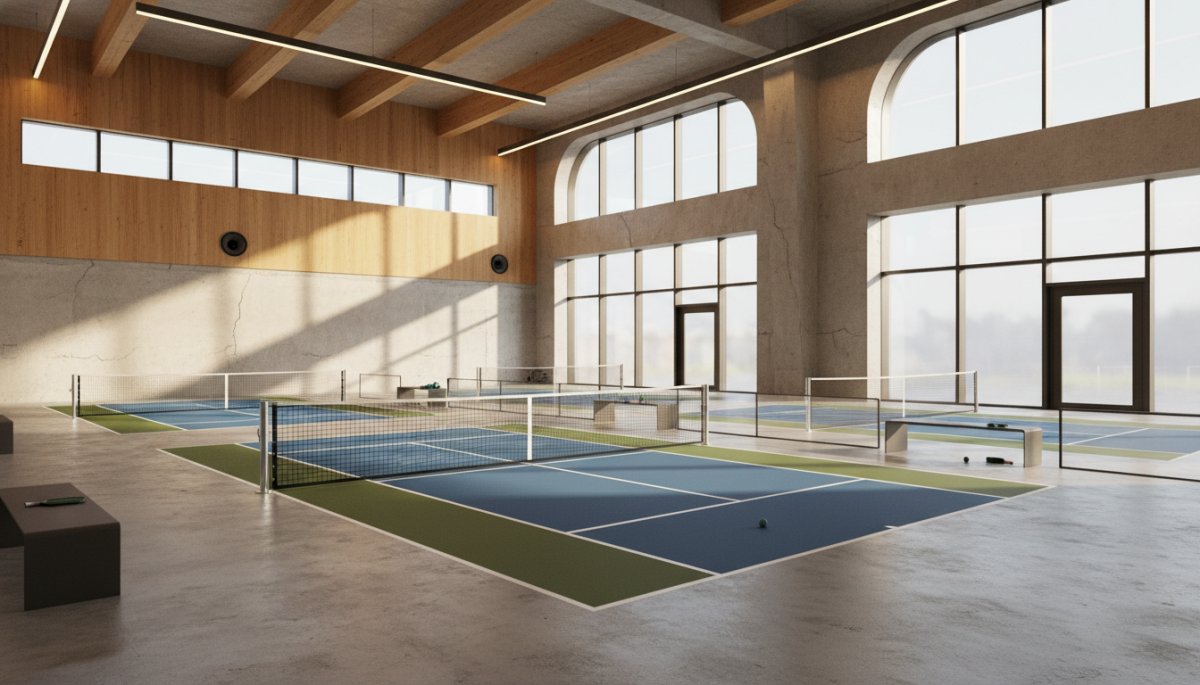
Moves to resolve the shortage of facilities—the bottleneck for the sport's spread—are also gaining real momentum.
The Picklr, the largest U.S. operator, enters Japan
Major international companies are also eyeing the Japanese market.
アメリカで多数の施設を運営し、米国を中心に施設展開を進める「The Picklr」が、日本進出を発表しました。国内のホールディングス会社が独占的なマスターフランチャイズライセンスを取得し、今後5年間で全国20カ所の屋内施設を展開する計画です。東京首都圏、北海道、宮城、中京圏、阪神圏、広島、福岡、沖縄、軽井沢、白馬などをターゲットに、専用スポーツ施設・商業施設・オフィスビルなど、地域のニーズに合わせた立地を検討しています。
Conversion of tennis facilities is also underway
Making effective use of existing facilities is also key to expanding capacity.
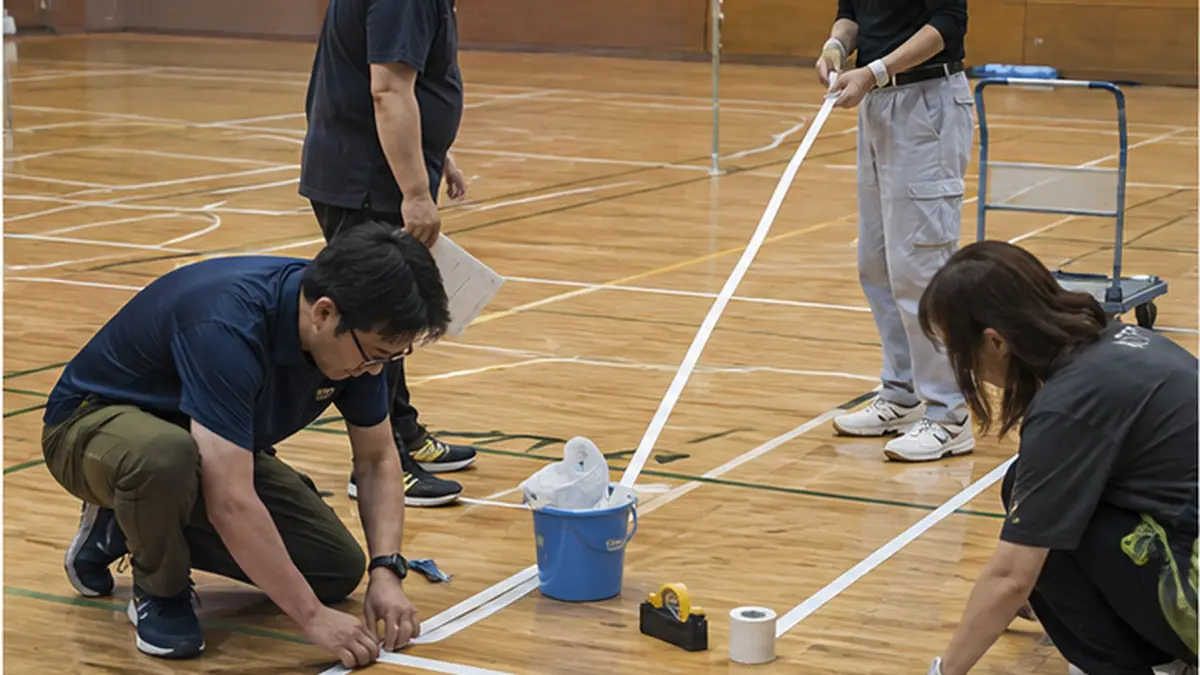
Because about four pickleball courts fit into the space of a single tennis court, the sport can be rolled out efficiently even in urban areas. Courts are being built by making use of vacant spaces, parking lots, rooftops, and existing sports facilities. The aforementioned VIP Indoor Pickleball Club offers both a school format and a rental court format, and has succeeded in building a viable revenue model.
Source Nihon Pickleball Holdings Inc., "The Picklr Enters Japan"(2025)
Differences from the U.S. and Japan's own path
In Japan, where the cultural context differs, the sport may develop along a different path than in the U.S.
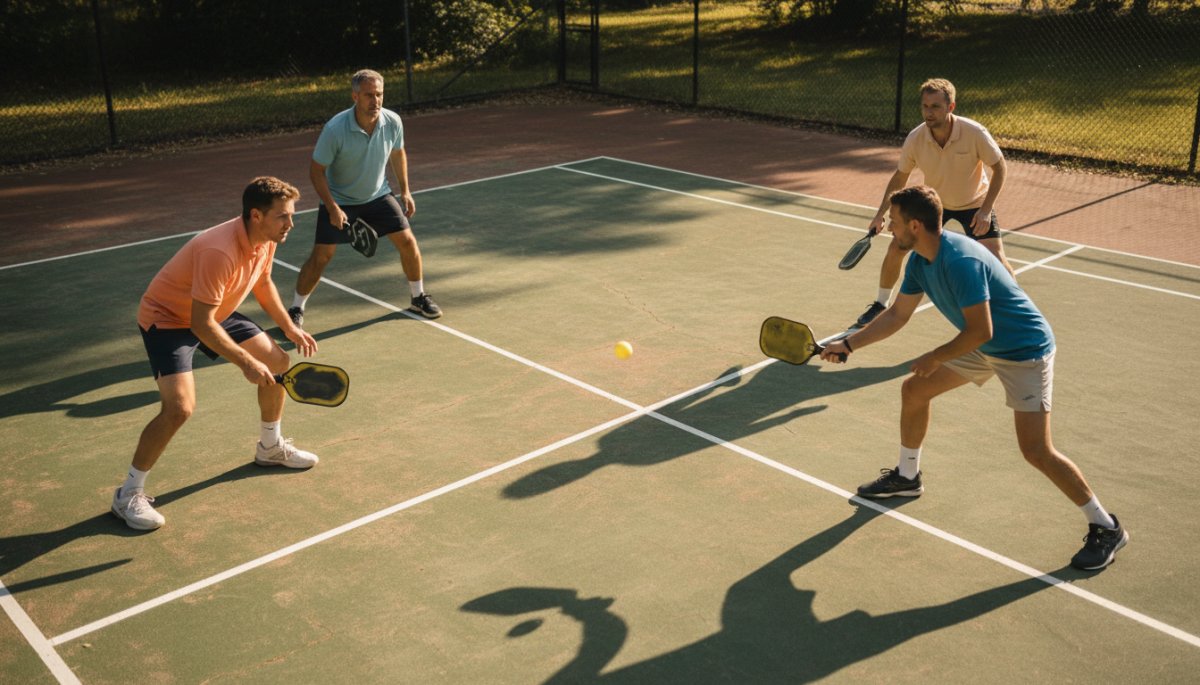
In the U.S., SFIA's tally counted about 24.3 million participants in 2025, while a separate survey (APP) that includes anyone who played even once a year estimated about 48.3 million players. In 2023 it was hailed as the "fastest-growing sport," and it has taken hold as a key social activity in retirement communities, especially among those aged 50 and older. Several pro tours have emerged, and prize money and investment capital are flowing in.
日本では、運動強度を参加者に合わせやすい点や交流のきっかけになる点が紹介されています。ただし、ピックルボール固有の健康寿命延伸、傷害リスクの低さ、企業効果を示す国内公的統計は確認できません。個人差と実施条件を踏まえて評価する必要があります。dinkandThe third-shot dropは、国籍にかかわらずコントロールを重視するプレーヤーが学ぶ基本戦術です。
Growth outlook and challenges ahead
市場予測は前提を確認する
民間の市場予測は、対象地域、用品・施設の範囲、為替などで結果が変わります。将来の確定値として扱わず、国内では公式大会、登録制度、施設整備など実際に確認できる指標を追うのが適切です。
The challenge of a shortage of dedicated courts
The biggest bottleneck for the sport's spread is the shortage of facilities.
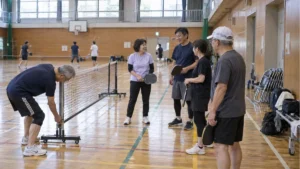
At present, activity is centered on public gymnasiums, and the development of dedicated courts is an urgent task. It is drawing attention as a new business opportunity for fitness clubs, tennis clubs and schools, and leisure and resort facilities. Cooperation with local governments is also key: the sport holds the potential to create a new lifestyle—serving as a hub that fosters community "places to belong," exercise habits, and cross-generational exchange, as well as a venue for drawing crowds and socializing at commercial complexes and office buildings.
The future pickleball can bring to Japan
This sport holds value that goes beyond mere recreation.
世代をまたいだ交流や地域活動の選択肢にはなり得ますが、健康寿命やコミュニティ活性化への効果を競技だけに帰属させることはできません。年齢や経験の異なる人が同じ場に参加できる場合があり、交流のきっかけにはなり得ます。効果は参加者、運営、安全管理などの条件と合わせて評価してください。
Over the coming years, as the consolidation of organizations and the expansion of dedicated facilities progress, Japan's pickleball scene is likely to change significantly. More dedicated facilities, the development of pro players, and the hosting of international tournaments. And above all, more people are expected to discover the fun of this sport and make it part of their daily lives.

Japan's playing population is growing at a pace of several times over in a single year, but the biggest keys right now are the "number of dedicated courts" and the "unification of organizations." In that sense, the 2026 merger agreement between the JPA and PJF is a major step forward. Following these two developments, rather than the player-count figures, reveals just how firmly pickleball will take root in Japan.
FAQ
How large is Japan's pickleball playing population?
全国を同じ定義で継続集計した公的な競技人口統計は確認できません。民間推計を見る場合は、調査対象と「競技人口」の定義を確認してください。
Which regions are pickleball most active in within Japan?
サイトアクセス比は競技人口比ではありません。地域の状況は、Pickleball Japanの大会一覧や施設・サークルの公式案内で確認してください。
What is the situation with pickleball's governing bodies in Japan?
The Japan Pickleball Association (JPA), founded in 2015, and the Pickleball Japan Federation (PJF), a general incorporated foundation, announced a basic agreement to merge in January 2026, announced the formal merger on April 10 of the same year, and were unified as a new organization, Pickleball Japan (PJ), effective April 14. It is seen as an important step toward unifying rules, standardizing event operations and advancing international cooperation.
Are dedicated facilities increasing in Japan too?
Yes. In April 2025, the VIP Indoor Pickleball Club opened in Koto Ward, and the major U.S. operator The Picklr also announced its entry into Japan, planning to develop 20 indoor facilities nationwide over the next five years. Because about four courts can be set up in the space of one tennis court, the conversion of existing facilities is also progressing.
Summary: Japan's rapidly growing pickleball scene
Japan's pickleball is still in its infancy, yet it is growing at an astonishing pace.
全国の競技人口を同じ定義で集計した公的統計は確認できないため、民間推計を確定値として扱うのは避けます。首都圏が牽引しつつ近畿・東海へと広がり、JPAとPJFの統合合意や「The Picklr」の進出など、団体・施設の両面で基盤づくりが進んでいます。専用コート不足という課題は残るものの、高齢化社会との相性のよさや企業・地域での活用が、さらなる広がりを後押しするでしょう。
Pickleball can be enjoyed across generations and connects to health and social exchange. If you're intrigued, start by finding a nearby trial session and try holding a paddle once. Its appeal is sure to surprise you.
確認した一次情報
Related Articles Worth Reading
- Pickleball's popularity spreading worldwide | The background of the boom and its growth drivers
- How will the pickleball market grow going forward? Analyzing its potential and market forecasts
- The rapidly growing pickleball market | Why it became a growth sport, explained
- What Is the Japan Pickleball Association (JPA)? Overview, Activities and How to Join
- Will Pickleball Become an Olympic Sport? The Possibility and Future Trends Explained
Related Articles