この記事の要点
- ピックルボールは、ここ数年で世界的に競技人口を伸ばしているラケットスポーツです。
- この記事では、ピックルボール市場がどれくらい伸びているのかを出典付きのデータで整理し、急成長の理由、日本市場の現在地、市場拡大が生む経済圏、そして成長の裏で表面化している課題までを、2026年6月時点の情報で多角的に解説します。
- まず、市場の規模感を主要な数値で押さえます。

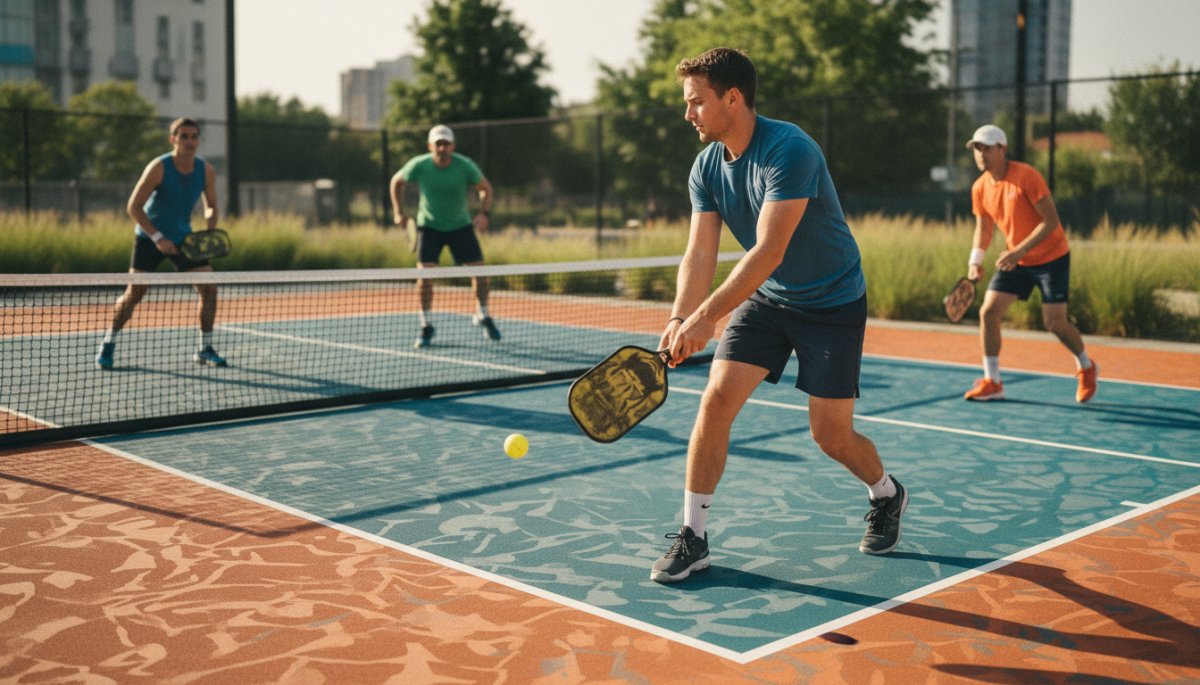
Pickleball is a racket sport that has grown its participant population worldwide in recent years. Combining elements of tennis, badminton, and table tennis, it was born in America in 1965. Looking at data on market size and player population, its growth has reached a level that cannot be fully explained as a passing fad.
This article organizes how much the pickleball market is growing with sourced data, and explains from multiple angles the reasons for the rapid growth, the current position of the Japanese market, the economic sphere created by market expansion, and even the challenges surfacing behind the growth, based on information as of June 2026. Because figures vary by survey point and definition, please also check the sources and time points.

How Much Is the Pickleball Market Growing? [Quick Data Table]
First, let's grasp the sense of the market's scale with key figures. The table below is a rough guide based on each source, and figures vary depending on the surveying body and aggregation definition.
| Metric | Figure (approx.) | Source / Time Point |
|---|---|---|
| US Player Population | About 19.8 million (up 45.8% year over year) | Sendenkaigi / 2024 |
| Global Market Size | 1.5 billion dollars in 2023 → projected 4.4 billion dollars in 2033 | PICKLE ONE / 2024 |
| North America's Annual Revenue | Projected at about 570 million dollars | PICKLE ONE / 2024 |
| Japan's Participant Population | About 5,000 (estimate) / registered members about 3,200 | News reports April 2024 / Japan Federation 2026 |
| Growth Rate in Asia and Europe | Over 12% per year | Various market surveys |
米国で参加者が増えていることはSFIA資料で確認できます。一方、市場規模の将来値は民間予測であり、調査範囲や為替などの前提によって変わります。プレー人口の増加と、用具・施設・サービスといった関連市場の拡大が同時に進んでいるのが特徴です。
Source
Sendenkaigi, "Pickleball Changes Urban Lifestyle & the New Common Sense of Marketing"(June 2025) /PICKLE ONE, "Market Size to Surpass 4.4 Billion Dollars in 2033! Pickleball's Rapid Growth and Its Reasons"Created from (November 2024)
Four Reasons Behind the Rapid Growth
The characteristics of the sport are largely related to how it spread this much in such a short time. We organize the main reasons into four.
Simple Rules, Play Right Away
Even someone holding a paddle for the first time can start a simple match after about 30 minutes of practice. The low threshold that makes it easy to enter even for those with little sports experience boosts the broadening of the base.
Enjoyable Regardless of Age or Fitness
The court is about a third the size of tennis (the same size as badminton), and the perforated ball is designed so it does not gain speed even when hit hard. Because there is little intense movement, it is also popular among those aged 50 and over and has become established as a post-retirement activity.
Relatively Low Risk of Injury
The paddle is light at around 200g, and the court is small, so there is little need to run around, and the risk of tennis elbow or leg injuries is said to be relatively low. Being easy to continue as a lifelong sport is another reason for its support.
High Sociability and the Post-COVID Tailwind
In addition to the high sociability of casually gathering with friends, its popularity accelerated during the COVID pandemic as a sport that could be enjoyed outdoors while keeping distance. It also matches the inclination of urban dwellers who prefer ways of spending time that provide multiple values at once.
Source
Sendenkaigi, "Pickleball Changes Urban Lifestyle & the New Common Sense of Marketing"Created from (June 2025)
The Current Position of the Japanese Market
Growth in Participant Population
The participant population is increasing in Japan too. News reports as of April 2024 put it at about 5,000, and the Japan Pickleball Federation's registered members were about 3,200 as of 2026 (figures differ depending on the aggregation definition). Media exposure has increased, and trial events and dedicated courts are also on the rise in various places. The Japan Pickleball Association is promoting adoption, and in aging Japan, its suitability as a lifelong sport is drawing attention. For a sense of the cost of getting started, see thecost guide.
The Spread of Facilities and Courts
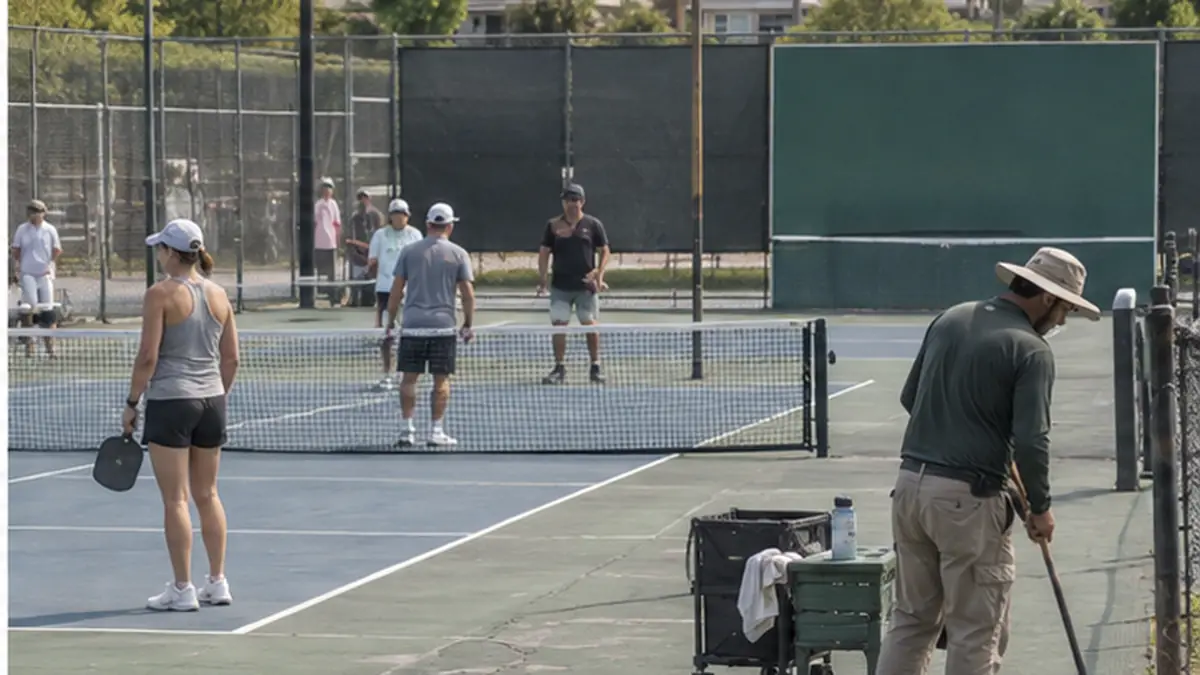
Expansion is progressing on the facility front too. In the US, because you can create around four pickleball courts from one tennis court, conversion of existing courts is active. In New York, 14 courts were introduced at Wollman Rink in Central Park from 2024 and operation continues; such development in urban areas boosts recognition. In Japan too, newly built dedicated courts and facilities where you can try the sport are increasing.
Spread to Younger People and Educational Settings
Pickleball initially spread mainly among older adults, but in recent years it has also permeated younger people. Because it is highly safe and its introduction cost is easy to keep down, adoption in school physical education programs and university clubs is progressing, and the fact that people of all generations can play together also makes it a place for cross-generational interaction. In Japan too, companies signing sponsorship contracts with young players in their teens has begun, and the development of the next generation of players has also started.
The Economic Sphere Created by Market Expansion
The growth in participant population is creating an economic sphere that involves equipment makers, pro leagues, and sponsors.
The Development of Pro Leagues
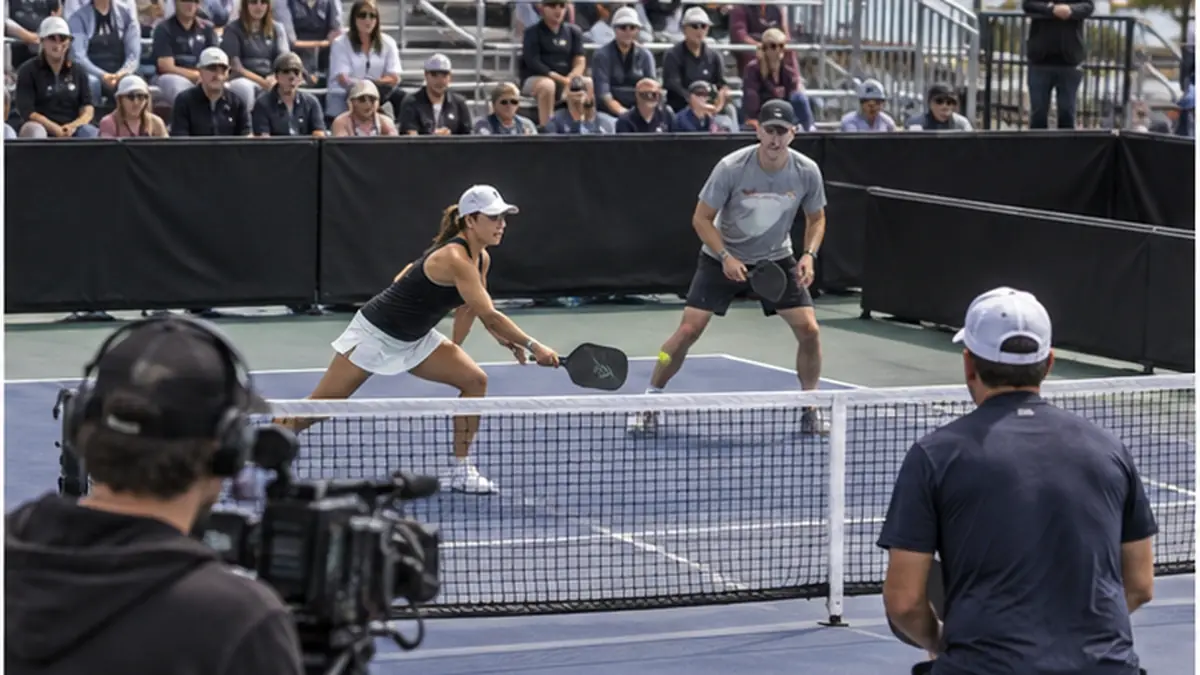
Multiple pro tours have launched, and the PPA (Professional Pickleball Association),MLP(Major League Pickleball), APP (Association of Pickleball Players), and others operate tournaments with total prize money in the several-million-dollar range. In April 2025, former tennis world No. 1 Andre Agassi made his pro debut, drawing attention as an event symbolizing the transition from a casual sport to a serious competition.
Entry and Sponsorship by Japanese Companies
In Japan, Sansan is fully sponsoring a player development project, setting the goal of producing a world-class player from Japan in three years (announced January 2025). The world's top-tierPPA Tourtournaments have come to be held within Japan too, and the spread of competitive recognition through international tournaments is progressing. Facilities that provide a "socialize while playing" experience, with a bar or lounge attached next to the play area, are also increasing, and its value as a target for corporate marketing is rising as well.
International Spread
In India, in December 2025, the first franchise-based pro league, the "Indian Pickleball League (IPBL)," kicked off, with six teams participating in a mixed-gender team format. New facilities are also being built one after another in Asia and Europe, and the International Pickleball Federation (IPF) governs over 70 countries, advancing standardization and adoption.
Source
JETRO, "India's First Franchise-Based Professional Pickleball League Kicks Off"(December 2025) /Sansan Inc., "Full Sponsorship of Japan's First Pickleball Player Development Project"(January 2025)
Challenges the Market Faces and the Future Outlook
Amid the rapid growth, challenges are also surfacing on the ground. Let's also cover the "flip side of growth" not visible with praise alone.
| Challenge | Details |
|---|---|
| Competition Over Facilities | There are cases where coordination with existing users becomes necessary over the conversion of tennis courts |
| Noise Trouble | The sound of hitting the ball becomes a problem in residential areas; in the US, reviews of installation locations and lawsuits have also occurred |
| Development of Training Systems | Training cannot keep up with the rapid expansion, and the building of systems for tournament operation and beginner instruction is in progress |
| Updates to Equipment Standards | The scope of certified paddles can change due to revisions to standards such as bounce performance |
In particular, the noise problem over the sound of hitting the ball is repeatedly pointed out in areas where court development is progressing. Responding to such challenges will be a factor that determines future adoption speed. Even so, the market size is projected to expand to 4.4 billion dollars in 2033, and there are also moves aiming for future inclusion as an Olympic sport. The digitalization of equipment (paddles with built-in sensors, etc.) and expanded introduction in educational settings are also expected to generate new demand. Those who want to learn more about how tournaments work should see therules guideis also worth a look.

Market data figures change greatly depending on the surveying body (especially "player population," which depends on the aggregation definition). When you see numbers in articles or advertisements, checking the source and survey time point as a set makes it less likely to misread the reality.
FAQ
How fast is pickleball growing?
In the US, about 19.8 million people played in 2024, recording a 45.8% increase year over year (from Sendenkaigi). The global market size is also projected to expand from 1.5 billion dollars in 2023 to 4.4 billion dollars in 2033, with player population and related markets growing simultaneously.
Why has its popularity spread this much?
The main reasons are that the rules are simple and anyone can play a match right away, that it can be enjoyed regardless of age or fitness, that the risk of injury is relatively low, and that it is highly social. The post-COVID outdoor and health-conscious trends also served as a tailwind.
How widespread is it in Japan?
News reports as of April 2024 put the participant population at about 5,000, and the Japan Pickleball Federation's registered members were about 3,200 as of 2026 (figures differ by aggregation definition). Dedicated courts and trial events are also on the rise in various places.
Are there challenges behind the growth?
Challenges surfacing include coordination over the conversion of tennis courts, noise trouble from the sound of hitting the ball in residential areas, delays in developing training systems, and updates to certified paddle standards. Responding to these will determine future adoption speed.
Summary: The Growth and Challenges of Pickleball Shown by Data
Pickleball's growth is backed by data such as the US participant population (about 19.8 million in 2024) and the market size projection (4.4 billion dollars in 2033). Behind it are the simplicity of the rules, the ease that transcends age, the low risk of injury, and high sociability, and pro leagues, sponsors, and international expansion are broadening the economic sphere.
On the other hand, challenges such as competition over facilities, noise trouble, and a shortage of instructors have also emerged, and responding to these will determine future adoption. By looking not only at the momentum of the numbers but also at their flip side, you can accurately grasp the current position of the pickleball market.
確認した一次情報
Related Articles Worth Reading
- Pickleball's popularity spreading worldwide | The background of the boom and its growth drivers
- Analyzing the Pickleball Scene in Japan | A Thorough Look at Its Spread and Future Outlook
- How will the pickleball market grow going forward? Analyzing its potential and market forecasts
- The explosively spreading pickleball in America: the reasons for its growing popularity
- How much does pickleball cost? A complete guide to initial and ongoing costs
Related Articles