What Is a Lob
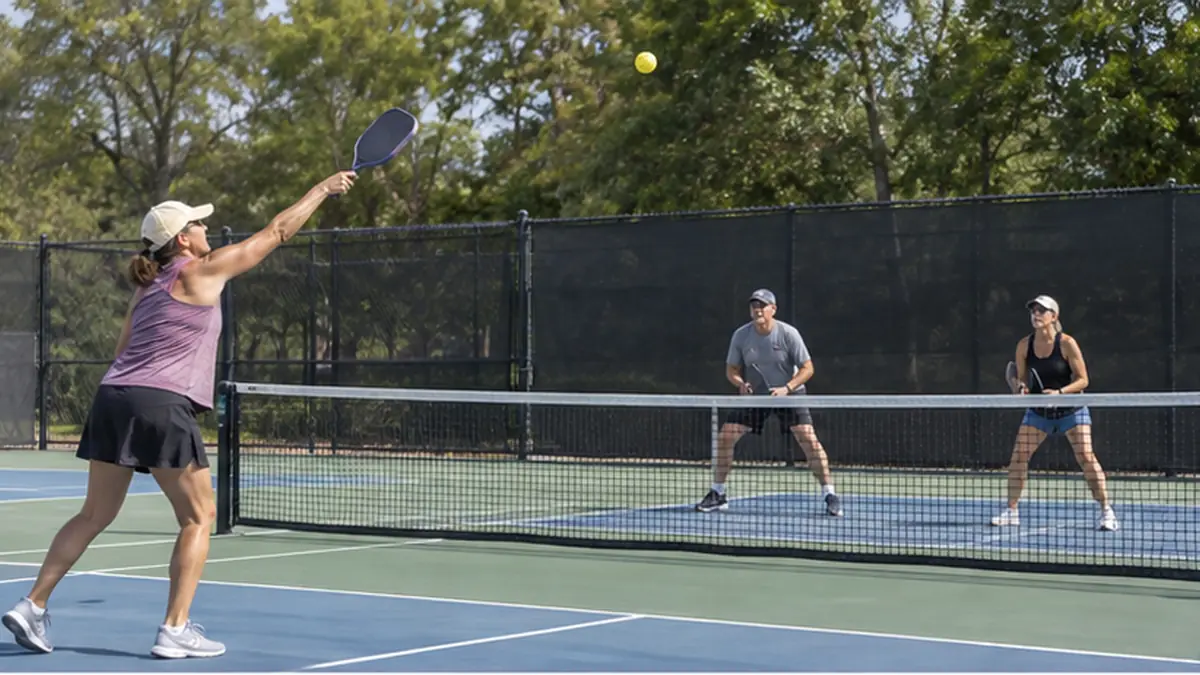
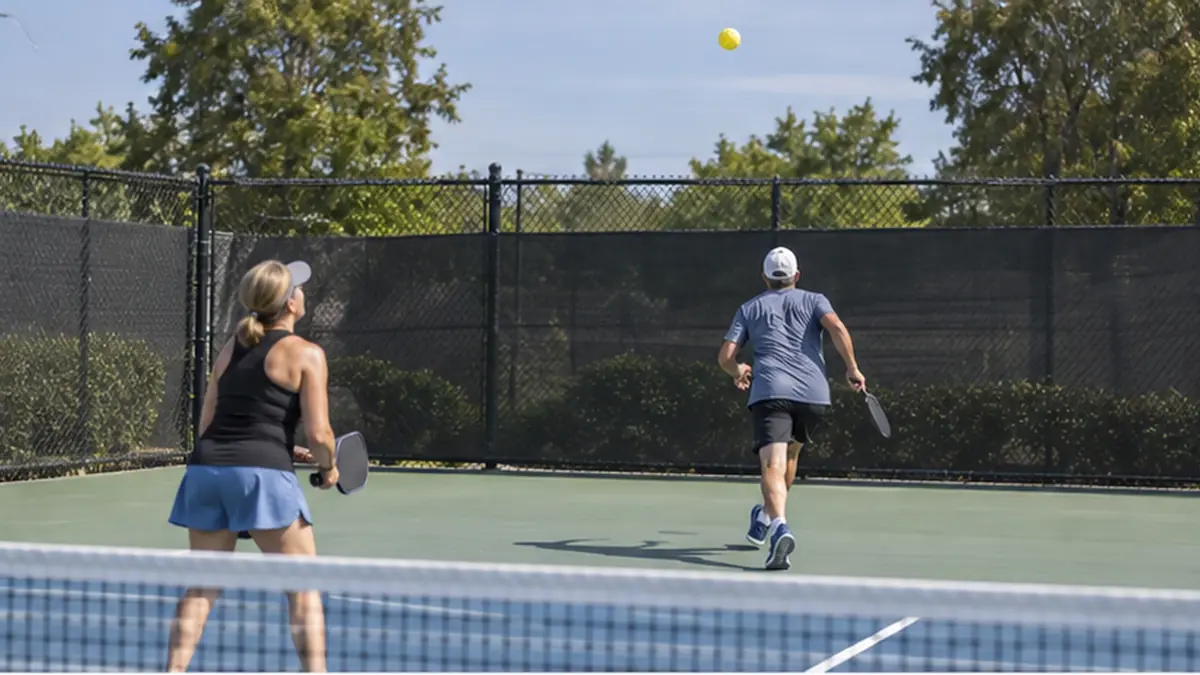
A lob is a shot with a high trajectory that goes over the opponent's head. Used when the opponent has moved up to the net, it's a tactical shot that pushes the opponent back to the baseline. It tends to be underrated in pickleball, but used at the right timing it becomes a very effective weapon.
Offensive Lobs and Defensive Lobs
Offensive Lob
A lob that intentionally aims over the opponent's head while you're in an advantageous position. The chance is when the opponent has moved too far forward or is holding the paddle low. By dropping it precisely to a spot where the opponent can't smash, and aiming for the backhand side, it's even more effective.
Defensive Lob
A lob hit to buy time in order to weather the opponent's attack. By lofting it high from a pushed-back position, you create time to reset your own position. Ideally, give it plenty of height while dropping it right at the baseline.
How to Hit a Lob
dinkA Lob out of
The most effective lob is one you hit suddenly out of a dink rally. Set up in the same form as a dink, and at the moment of contact open the paddle face and loft it upward. By making it look like a dink and then hitting a lob, you can catch the opponent off guard.
The point is "not being read." The trick is to keep your backswing and form the same as a dink, changing only at the last moment. If you show a lob-hitting motion in advance, the opponent will be prepared and you'll become smash fodder.
Topspin Lob
As an advanced technique, there's the lob with topspin applied. The forward rotation makes the ball accelerate after the bounce and kick away from the opponent. Even if the opponent somehow catches up, the fast ball path after the bounce makes an aggressive return difficult.
When to Use the Lob
The situations where a lob is effective are as follows. When the opponent is glued right to the kitchen line, when a dink rally has gone on long and the opponent's concentration is about to break, when there's a tailwind (the ball carries easily), and when the opponent's overhead shot is weak.
Conversely, there are also situations where you should avoid a lob. When there's a headwind (the ball slows and gets smashed), when the opponent's smash is powerful, and when your own position is off-balance (precision drops).
How to Defend Against a Lob
Positioning
The moment a lob is hit, retreat in coordination with your partner. If the lob comes to your side, quickly drop back, and your partner covers the center. With a movement like an "XO," instantly switch the roles of the person chasing the ball and the person covering.
Return with a Smash
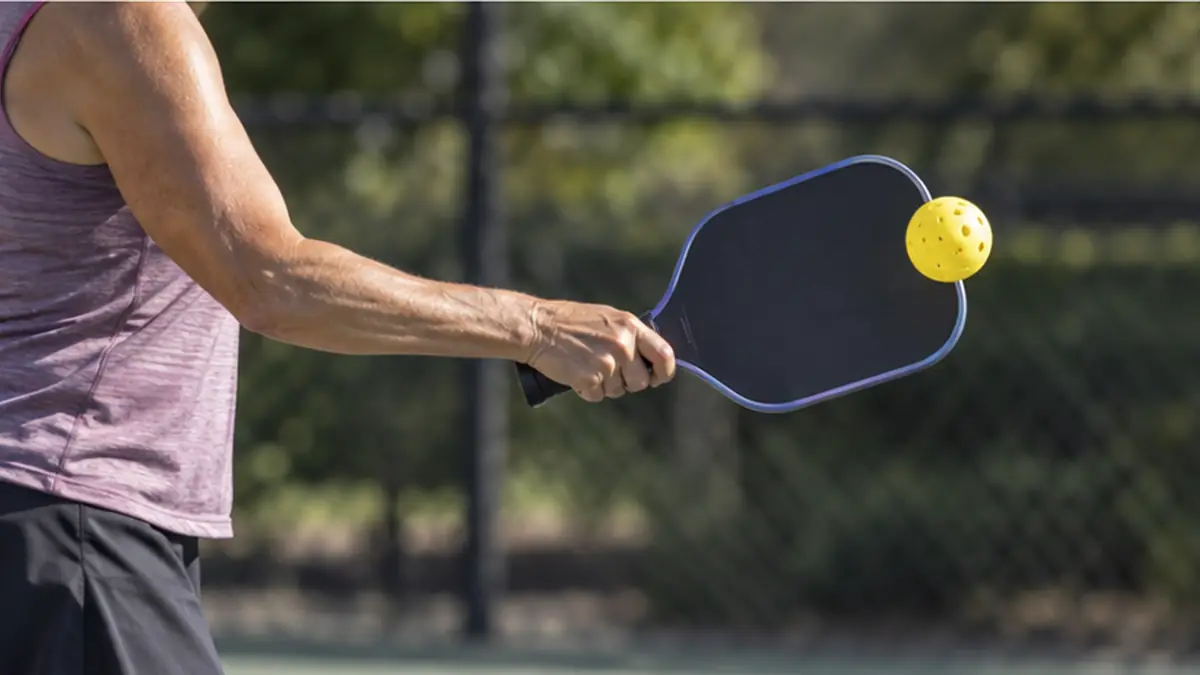
If the lob is shallow, it's a smash chance. Move quickly to the landing spot and hit it down from a high contact point. That said, since a forced smash leads to mistakes, it's important to judge whether you're in a position to hit it reliably.
Return with a Drop
If the lob is deep, the safe play is not to force a smash but to drop back to the baseline and return with a drop. Smashing while running backward against a deep lob raises the risk of hitting the net or going out. Calmly return with a drop and aim for the net again.
Summary
Overusing the lob dilutes its effect, but used at a crucial moment it becomes a weapon that can change the flow of a match. Ideally, mix it in as a changeup out of dinks at a rate of about 1 in every 10 balls. If you also practice defending against lobs, you can concentrate on net play without fearing your opponent's lobs.
Related Articles Worth Reading
- Mental Toughness in Pickleball | Handling Pressure in Matches and Recovering From Mistakes
- Breaking Through the Intermediate Plateau in Pickleball | 5 Habits Holding You Back and How to Fix Them
- Completely Mastering the Pickleball Third-Shot Drop | Why It Matters and How to Practice It
- The Complete Pickleball Doubles Guide | Pair Strategy and Teamwork Tips Explained
- Pickleball Poaching Tactics | Interception Skills to Score More in Doubles
Reference Links
Related Articles