What is poaching?
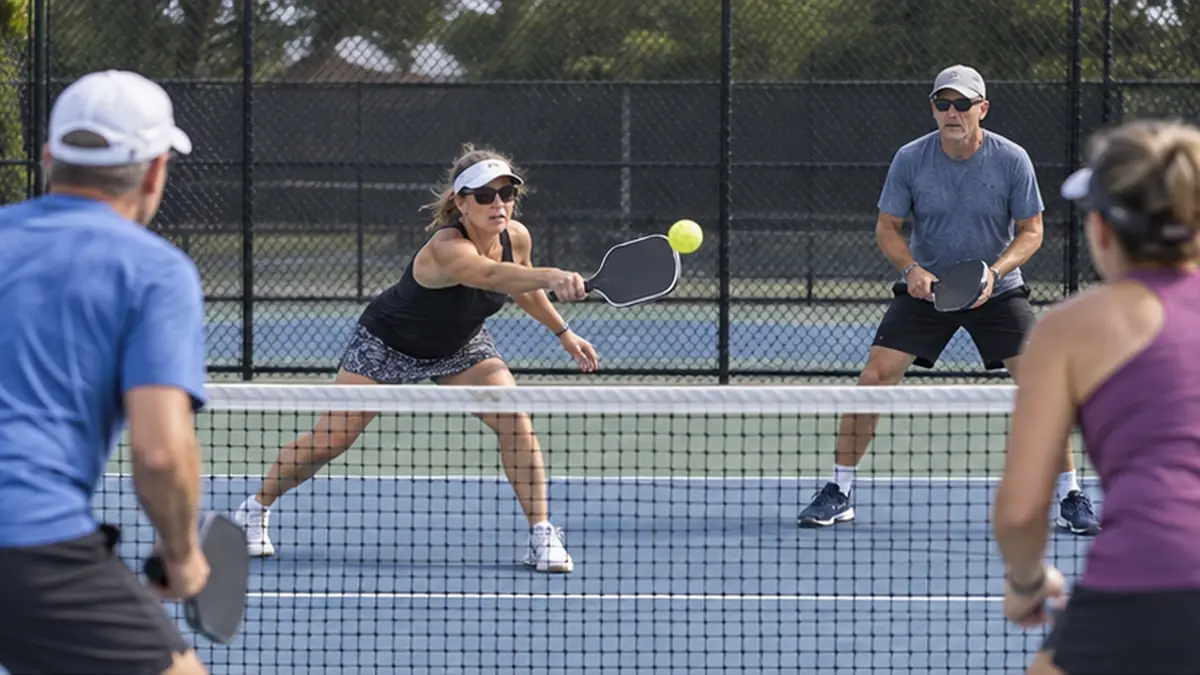
Poaching is a play in doubles where you dart in from the side to intercept (cut off) a ball headed to your partner's side. It's a familiar tactic in tennis too, but because the court is narrower in pickleball, it's an effective attacking option you can use more frequently.
If it works, you can seize the point by catching your opponent off guard, and even if it fails, you can put pressure on them. By aggressively going for poaches, you can take control of a doubles match.
The basic technique of poaching
Starting position
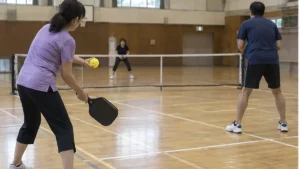
To go for a poach, the prerequisite is first being in position at the net. Stand near the kitchen line, positioned slightly to your side of the centerline. As preparation for the poach, orient your body slightly toward the center.
Timing of your move
The single biggest factor separating success from failure in poaching is timing. You start moving the moment your opponent begins their swing. Too early and they read you and change their shot; too late and you can't catch up to the ball.
The moment your opponent's backswing begins is ideal. At that instant, they've already committed to their shot, making a change difficult.
How to hit the volley
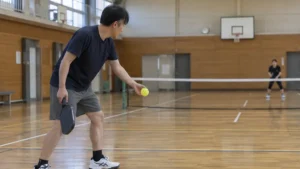
For a poaching volley, it's important to finish it surely with a compact swing. There's no need for a big swing—set your paddle face firmly, get in front of the ball, and drive it firmly into your opponent's court. Aim at their feet or the open space.
When you should go for a poach
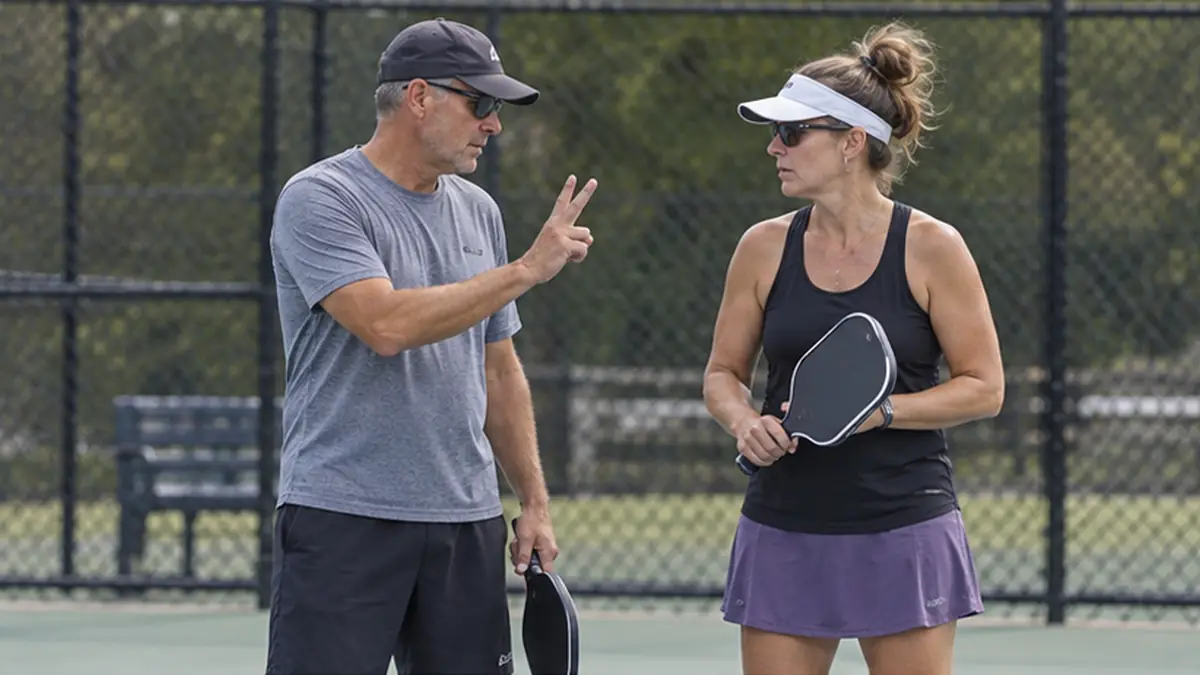
There are situations where poaching is effective: when you can read a pattern where your opponent hits a cross-courtdink, when your partner has hit an aggressive shot and your opponent is struggling with the return, and when the return from your opponent's backhand side has lost its pace.
Conversely, there are situations to avoid. When your opponent is in a stance to aim down the line, when you haven't gotten far enough up to the net, or when your partner isn't in a position to cover—hold back on the poach.
Coordination with your partner
Switch play
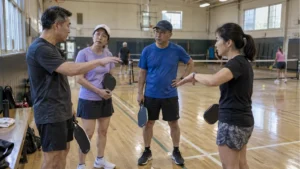
After going for a poach, you need to switch (swap) positions with your partner. Once you cross the center, your partner covers the space you left open. If this coordination doesn't go smoothly, space opens up on the court and you get counterattacked.
Signal play
In advanced doubles, you give a signal in advance to share the poaching timing. You give a signal with the hand behind your back, telling your partner you'll "go for a poach on the next point." Since your partner can prepare to cover, the risk drops significantly.
Using fakes
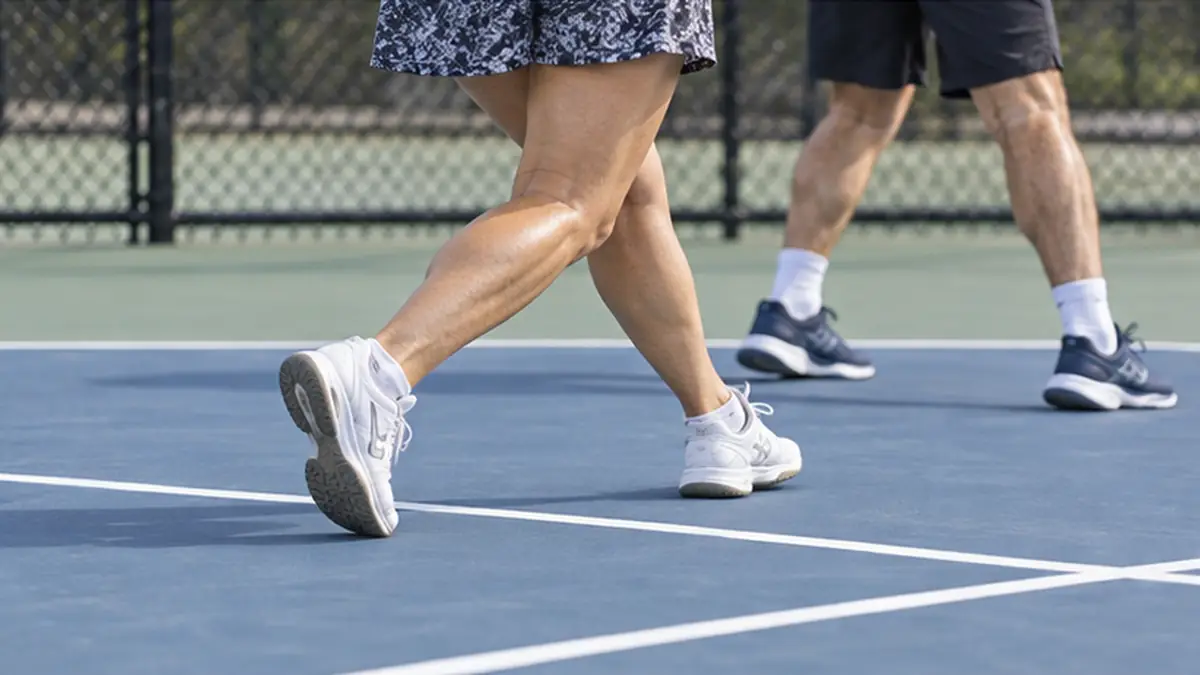
Even without actually going for a poach, you can pressure your opponent by faking one. Just showing a feint of moving your body toward the center forces your opponent to hit down the line, narrowing their shot options.
By mixing fakes and poaches, your opponent keeps facing the psychological pressure that "it might come." This is what creates an aggressive atmosphere in doubles.
Summary
With poaching, the balance of risk and reward matters. Rather than lunging at every ball, size up the high-success situations and go for it. A relationship of trust and coordination with your partner is the key to successful poaching tactics.
Related Articles Worth Reading
- The Complete Pickleball Doubles Guide | Pair Strategy and Teamwork Tips Explained
- Mental Toughness in Pickleball | Handling Pressure in Matches and Recovering From Mistakes
- Mastering the Pickleball Lob | When to Use It, How to Hit It, and How to Defend
- Breaking Through the Intermediate Plateau in Pickleball | 5 Habits Holding You Back and How to Fix Them
- Completely Mastering the Pickleball Third-Shot Drop | Why It Matters and How to Practice It
Reference Links
Related Articles