What Is the Intermediate Plateau
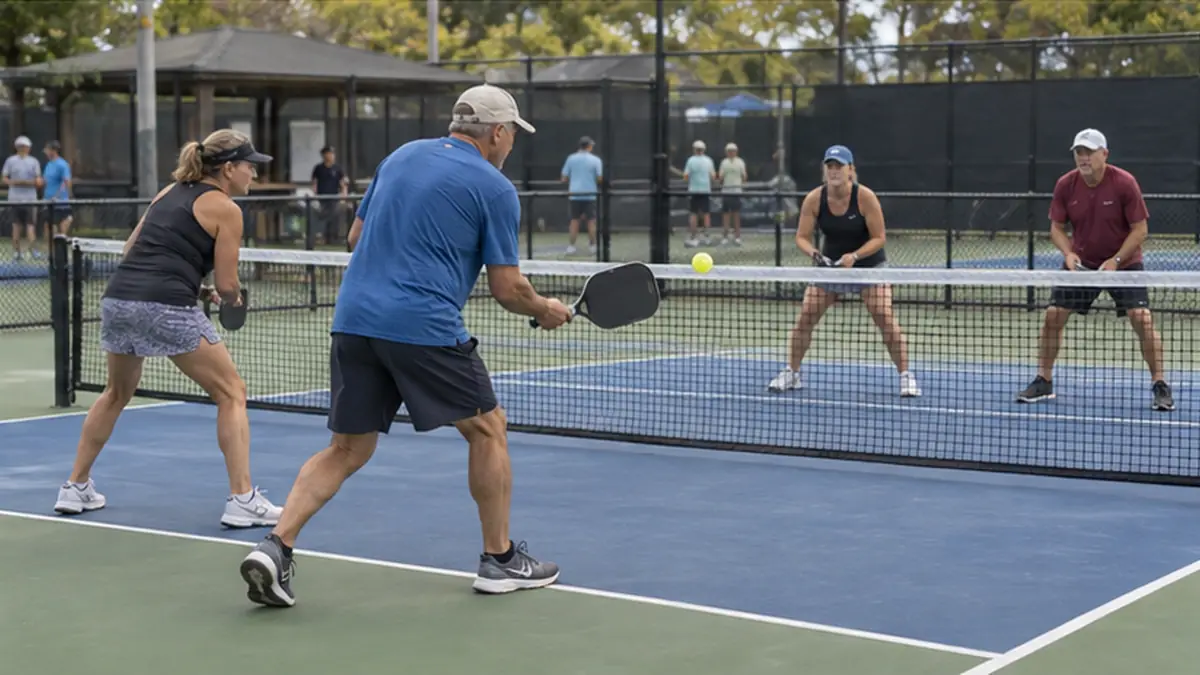
About six months to a year after starting pickleball, many players hit a "wall." They've picked up the basic rules and shots, but they don't feel any improvement beyond that. In terms of skill rating, a great many players stall out around 3.0–3.5.
In almost every case, the cause of this plateau is a "habit" picked up in the beginner days. The hitting style and playing style that worked when you were a beginner stop working in battles between intermediates. Here, we explain the 5 habits common among intermediates and how to fix them.
Habit 1: Relying Too Much on Power
If the reason you were beating beginners was "because you can hit a strong ball," you'll hit a wall at the intermediate level. Opponents at intermediate level and up have the skill to return power shots, so you can't muscle it through with strength alone.
How to Fix It
Consciously reduce the proportion of power shots. Specifically, aim for a balance of 70% soft shots (dinkand drops) and 30% power shots in a rally. Build the rally with the soft game and use power only when a chance comes—this "play with clear on-off distinction" is the first step toward advanced play.
Habit 2: Standing Frozen at the Kitchen Line
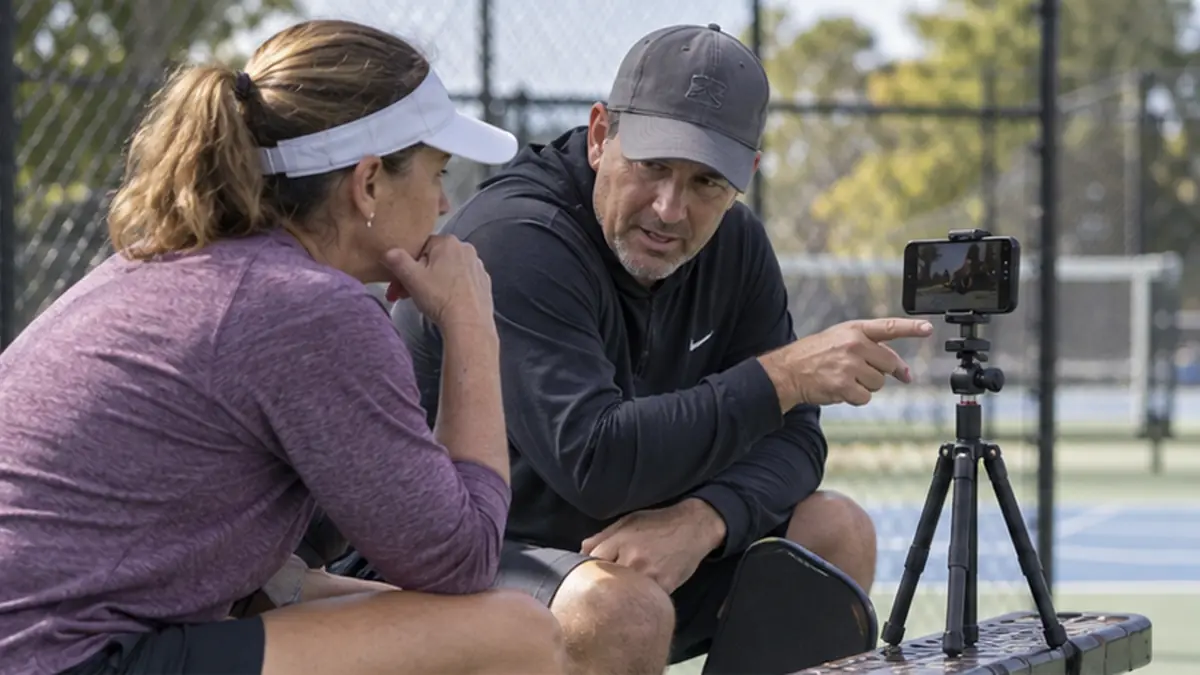
Many players have learned to come up to the net, but once they reach the kitchen line their feet stop. Standing frozen, your response to low balls lags, and you can't catch up when pulled side to side.
How to Fix It
At the kitchen line, always be conscious of bending your knees and keeping your center of gravity low. Maintain the ready stance called the "athletic position," where you can move at any time. Put in a split step every time your opponent hits and keep your feet moving constantly—that's what matters.
Habit 3: A Monotonous Third Shot
If you always hit your third shot as only a drop, or always as only a drive, your opponents will read you. Once the pattern is predicted, both shots lose half their effect.
How to Fix It
Mix drops and drives at roughly a 7:3 ratio. On top of that, increase variation—hit crosscourt and straight within your drops, put changes of pace on your drive speed, and so on. Making your opponent think "I don't know what's coming" is advanced play.
Habit 4: Sloppy Positioning
This is the habit of letting the distance to your partner open up too much in doubles, or of not returning to your original position after hitting the ball. When space opens up on the court, opponents exploit it and you lose the point.
How to Fix It
Always be conscious of keeping the distance to your partner within 3m. When you change position to hit the ball, your partner moves in tandem—that "mirroring" awareness matters. Also, make a habit of the "recovery" of always returning to center after hitting a shot.
Habit 5: Big Swings in Mentality
Piling mistake on mistake after a miss, rushing into forced plays out of panic when behind, or conversely getting too defensive when ahead. These swings in mentality are a major reason intermediates can't beat advanced players.
How to Fix It
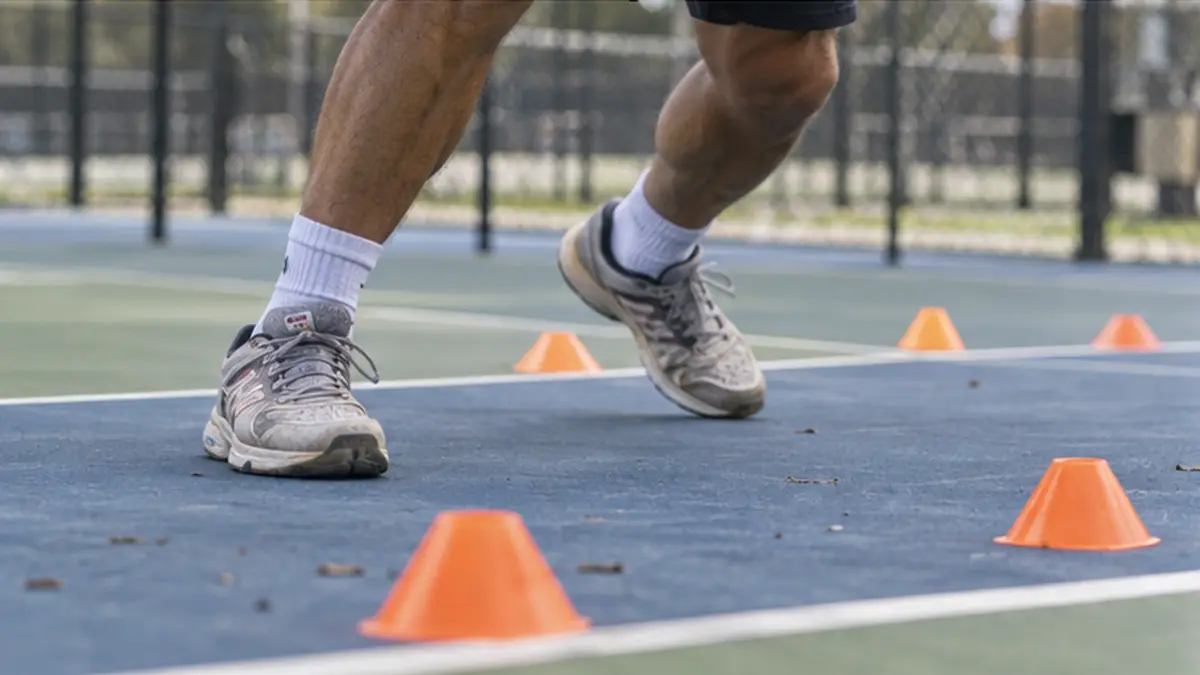
Practice "one-point thinking." It's the mindset of focusing only on the single point in front of you, regardless of the score or the result of the previous point. If you make a mistake, take two deep breaths, reset your feelings, then face the next point. When you're about to get emotional, a high-five or eye contact with your partner to regain composure is effective too.
Summary
What you need to cross the intermediate plateau isn't learning new techniques—it's fixing the habits you already have. Increase the ratio of the soft game, keep your feet moving, put variation in your shots, be conscious of positioning, and stabilize your mentality. Improve these five and the road to advanced play will surely open.
Related Articles Worth Reading
- Mental Toughness in Pickleball | Handling Pressure in Matches and Recovering From Mistakes
- Mastering the Pickleball Lob | When to Use It, How to Hit It, and How to Defend
- Completely Mastering the Pickleball Third-Shot Drop | Why It Matters and How to Practice It
- The Complete Pickleball Doubles Guide | Pair Strategy and Teamwork Tips Explained
- Pickleball Poaching Tactics | Interception Skills to Score More in Doubles
Reference Links
Related Articles