この記事の要点
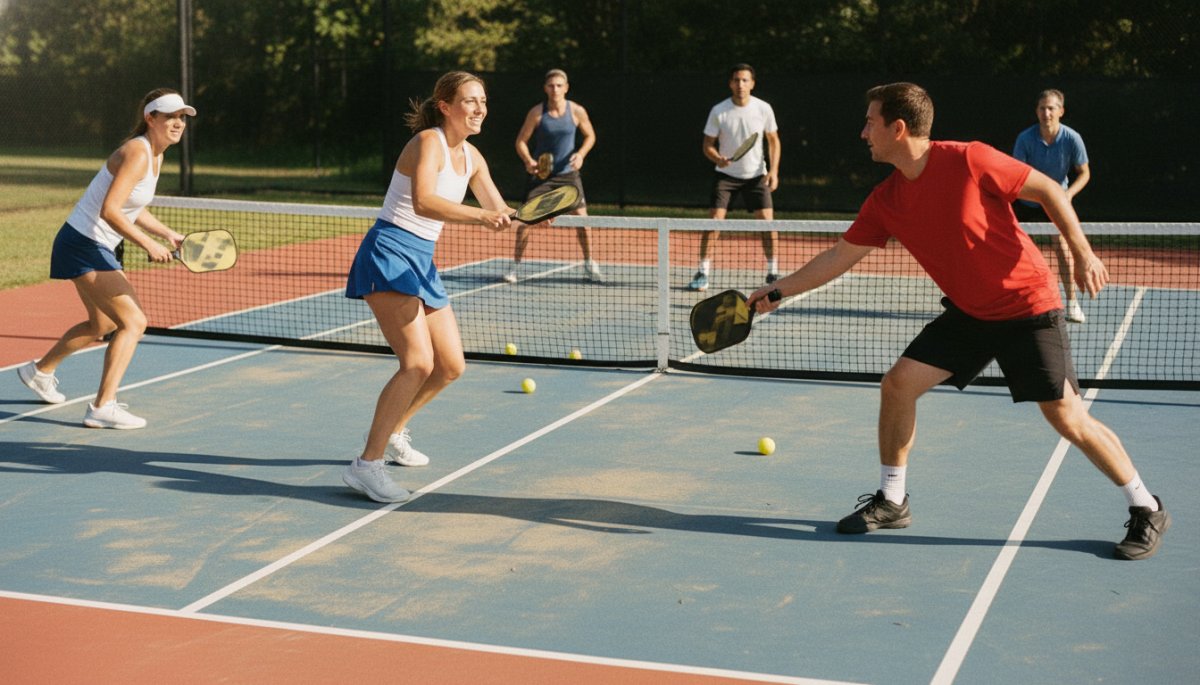
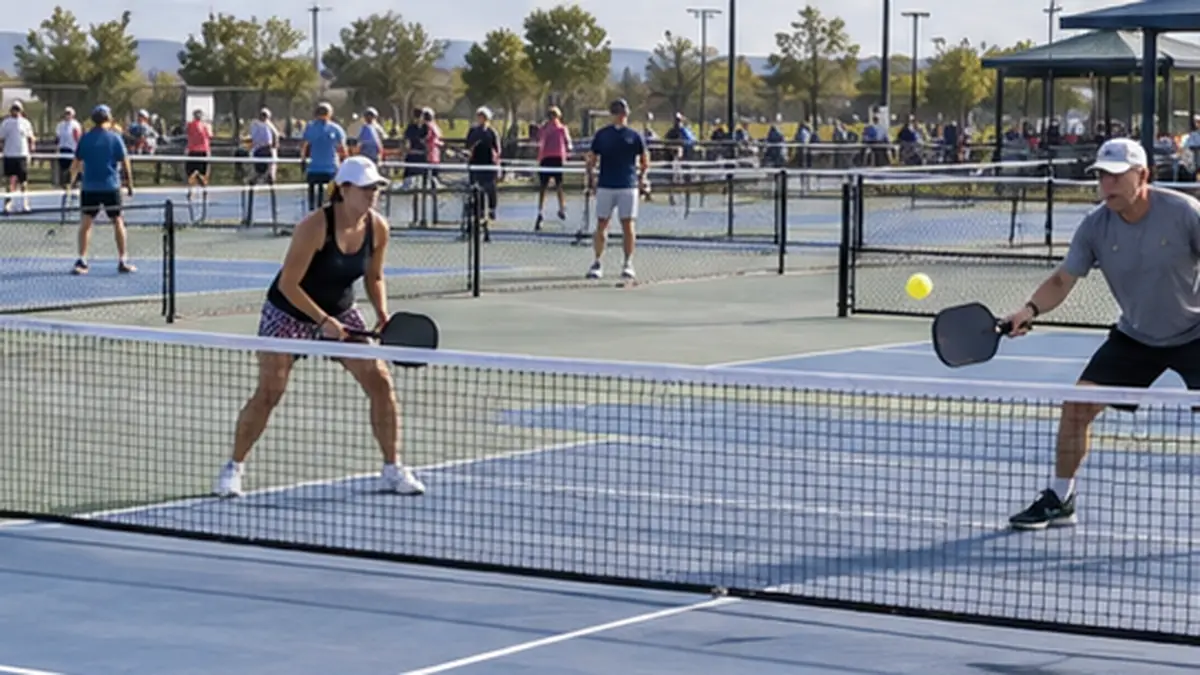
- The crisp sound of "pock, pock, pock" rings out from parks across America.
- SFIAは、ピックルボールが米国で複数年にわたり高い成長を続けていると報告しています。
- 成長率の高さは公式調査でも確認できますが、順位や人数は調査版ごとに更新されます。

The Current State of Explosively Spreading Pickleball in America
The crisp sound of "pock, pock, pock" rings out from parks across America.
SFIAは、ピックルボールが米国で複数年にわたり高い成長を続けていると報告しています。ただし「過去1年に1回以上」と「定期的な参加者」では人数が異なるため、参加人口を比較するときは定義をそろえる必要があります。
成長率の高さは公式調査でも確認できますが、順位や人数は調査版ごとに更新されます。最新値はSFIAの参加動向資料で確認してください。
Source
Created from Pickleball One, "Why Is Pickleball Popular in America!? From Boom to Culture."
(2023)
A Boom Accelerated by Celebrities and Public Figures
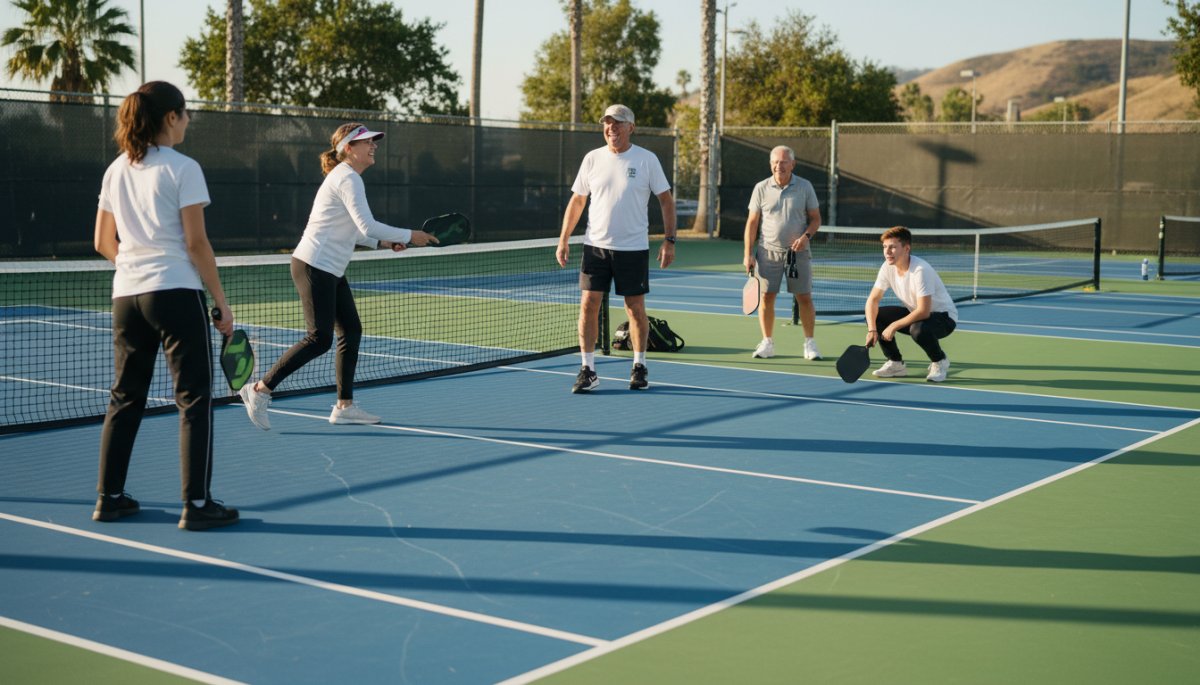
What boosted pickleball's popularity was the participation of celebrities. Bill Gates has enjoyed this sport for over 50 years since the 1960s and is such an enthusiast that he has a dedicated court in his own backyard. Celebrities such as Leonardo DiCaprio posting their play on SNS spread its recognition as a cool sport all at once.
Tennis legends Andre Agassi and Andy Roddick have also started investing and participating. Former pro tennis player Jack Sock (singles high of No. 8, doubles high of No. 2) made the decision to switch to being a professional pickleball player. Such moves are raising the sport's credibility and profile.
The Shock of Paddle Sales Surpassing Tennis Rackets
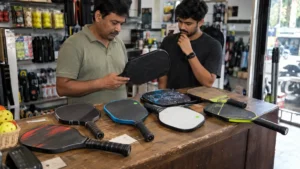
Market data vividly shows the boom's momentum. According to the information resource company Circana, as of June 2023, total sales of pickleball paddles reached 304 million dollars, surpassing total sales of tennis rackets. Since 2020, paddle sales have surged by 500%.
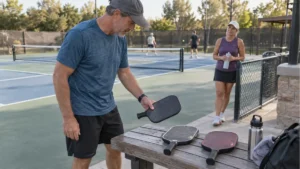
The price range of paddles is wide, from entry-level models around 20 dollars to high-end products over 300 dollars that make spin shots easier. American pickleball paddle brands exceed 800, and competition is intensifying.
Source
Created from Pickleball One, "Why Is Pickleball Popular in America!? From Boom to Culture."
(2023)
Five Reasons Pickleball Is Popular
Why does pickleball captivate people this much?
The answer lies in the very characteristics of the sport. Sparked by the COVID pandemic, it drew attention as a sport that could be enjoyed outdoors while maintaining social distance. With sports facilities closing and community activities restricted, people had a strong desire to move their bodies for their health. That's when pickleball appeared.
The Low Barrier to Entry That Anyone Can Start Casually
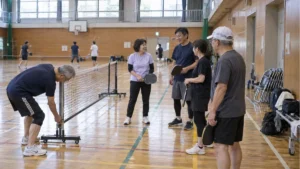
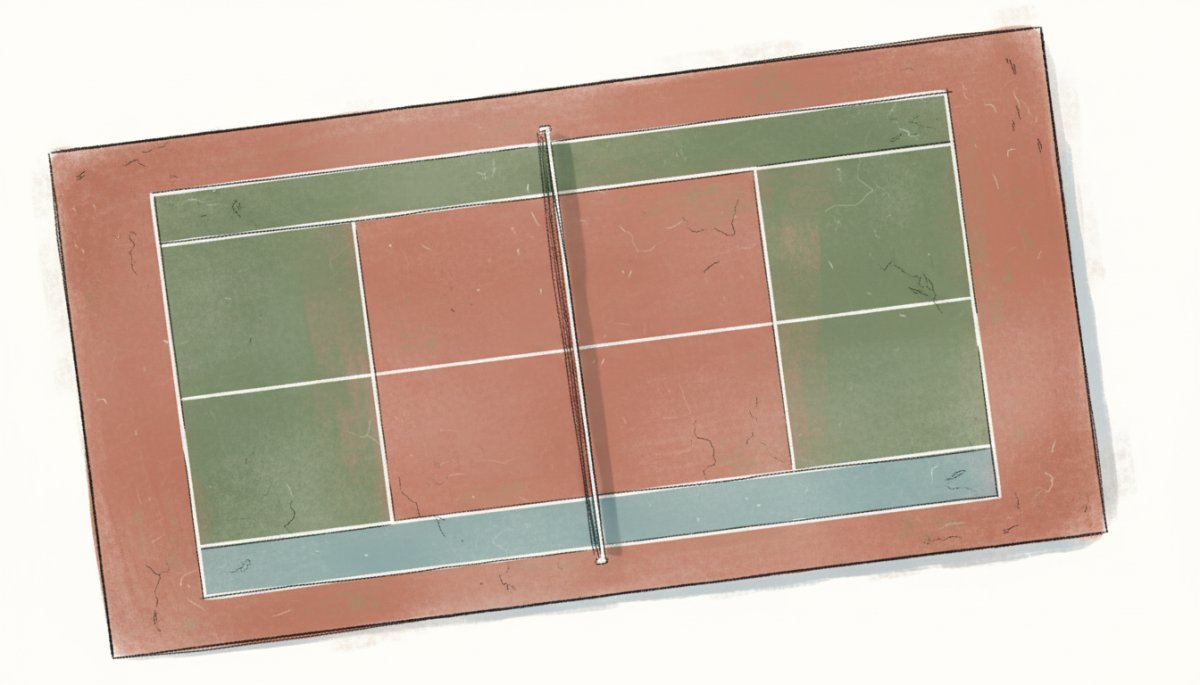
ピックルボールの最大の魅力は、年齢や体力レベルに関わらず誰でも楽しめる点にある。コートはテニスコートの約3分の1の広さ(13.41m×6.10m)で、バドミントンコートとほぼ同じサイズだ。使用するボールは軽量で穴の開いたプラスチック製のため、激しい動きが少なく、初心者でもすぐにラリーを楽しめる。
Especially important is the presence of the non-volley zone called the "kitchen" (an area 2.13m from the net). Volleys are prohibited within this zone, so it demands the patience to keep the rally going rather than forcing it with power. Thanks to this rule, men and women of various ages, from children to people in their 80s, can enjoy playing together.
The Economy of Being Able to Use Existing Infrastructure
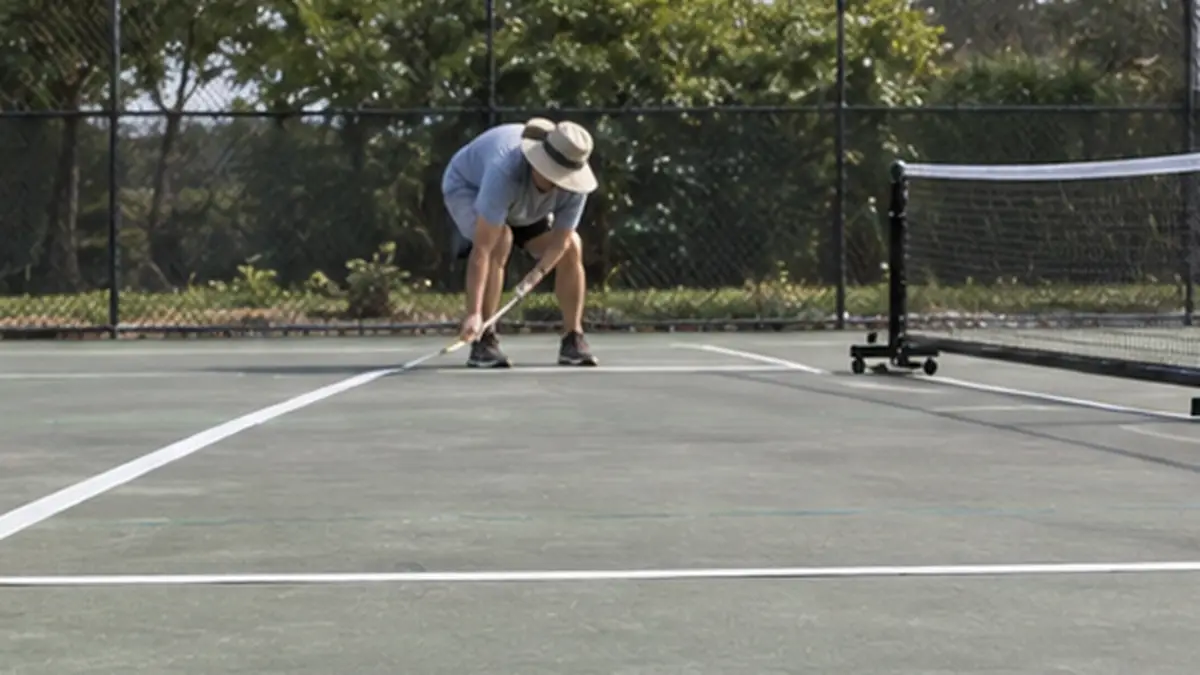
The fact that pickleball can use existing tennis courts also boosts its adoption. With just one tennis court, you can partition it with blue tape on the ground and create four pickleball courts. Because it minimizes new land development, it is valued as a model for sustainable sports development.
Many public tennis courts have been converted to pickleball courts, and on weekends they are almost taken over by pickleball enthusiasts. In some areas, its popularity is such that disputes arise between tennis and pickleball enthusiasts over court use, and there are cases where local governments step in to mediate.
A Place for Sociability and Community Formation
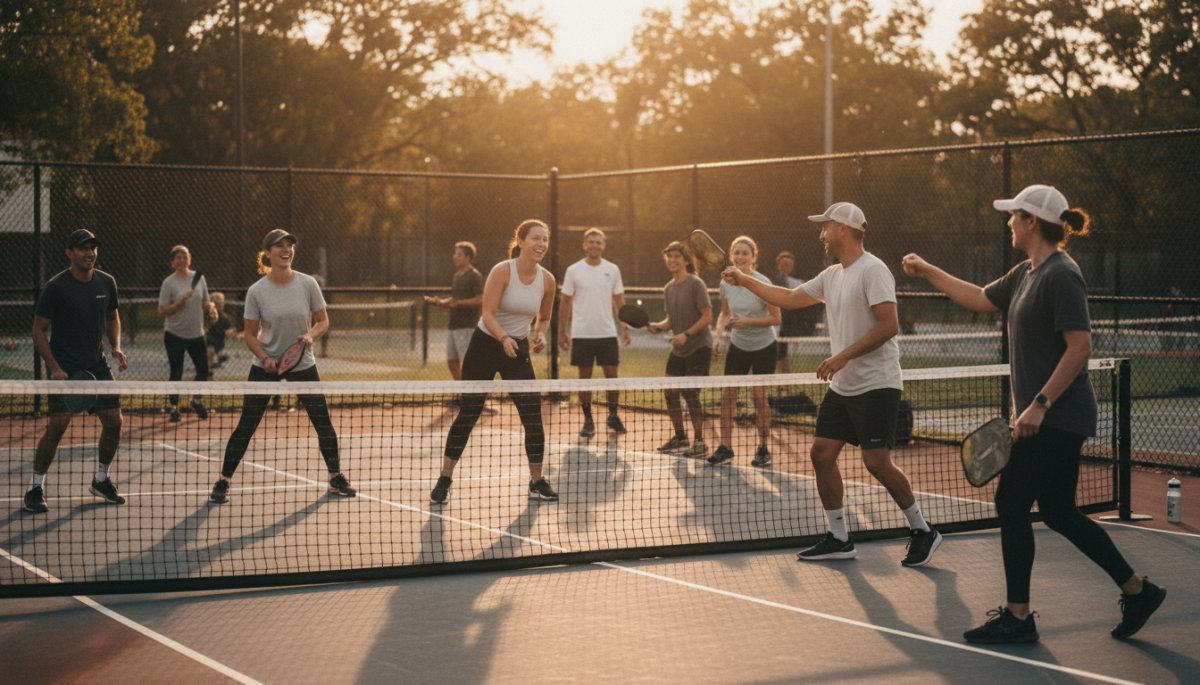
Pickleball offers value beyond mere exercise. If you show up alone with a paddle to join a practice, you pair up randomly with various people to play, making it a social sport you can enjoy while interacting with many people. Many retirement communities build dedicated pickleball courts, which have become residents' main social activity.
Cami Lanzenberger, a woman in her 40s living in Utah, says, "I play three or four times a week with my friends." She got hooked on pickleball just before the COVID pandemic, and now she is so absorbed that she forms a team with local women, makes uniforms, and even participates in matches. Her friend even built a pickleball court at home so she could practice anytime.
Source
Toyo Keizai Online, "The Convincing Reasons 'Pickleball' Is a Huge Hit in America"
(2024)
The Development of Pro Tours and the Inflow of Investment Money
Pickleball is growing as a professional sport, going beyond mere entertainment. Multiple pro tours have been established, such as the Professional Pickleball Association (PPA), Major League Pickleball (MLP), and the Association of Pickleball Professionals (APP), with total prize money reaching several million dollars.
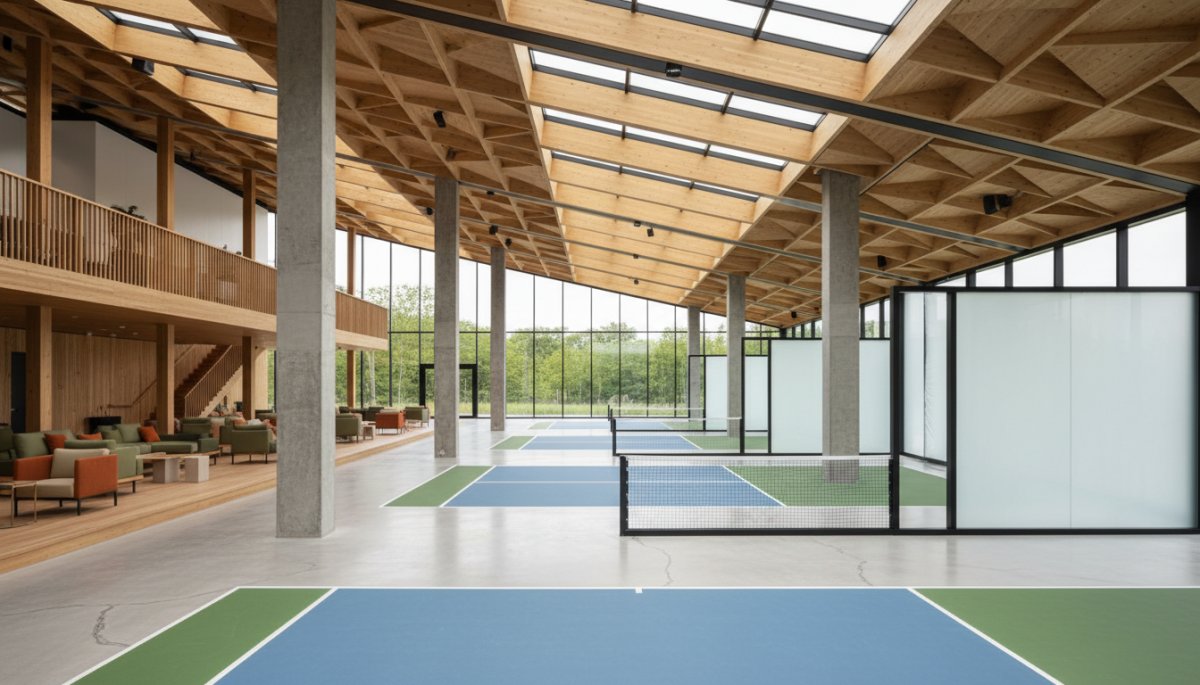
Companies are paying attention too; not only sporting goods makers but also real estate developers are incorporating pickleball courts into new residential developments. Dedicated indoor pickleball facilities are also increasing, and annual membership clubs have appeared. Entrepreneur Gary Vaynerchuk becoming the owner of a professional pickleball team also generated buzz.
Health Benefits and Recommendations from Medical Professionals
Because pickleball has a low risk of injury and puts little strain on the joints, it is also drawing attention as a rehabilitation and senior exercise program. Research has shown multifaceted health effects, such as improved cardiovascular function, maintenance of balance, and promotion of mental health through social interaction. Medical professionals have also begun recommending pickleball as an exercise program for older adults.
It is especially popular among those aged 50 and over and has become established as a post-retirement activity. In warm states such as Florida, Arizona, and California, outdoor courts are used year-round, and large-scale tournaments are held frequently.
The Current State and Potential of Pickleball in Japan
In contrast to its explosive popularity in America, recognition is still low in Japan.
However, in December 2025, the international tournament "ASIA PICKLEBALL GAMES 2025," hosted by the Pickleball Japan Federation (PJF), was scheduled to be held at Ariake Tennis Forest Park (canceled due to rain). A Japanese national team was also formed, and the French-born sports brand Le Coq Sportif signed an official supplier contract, with moves toward adoption steadily progressing.
The Birth of Japan's First Comprehensive Awards System
On December 21, 2025, Pickleball One Co., Ltd. held the "PICKLEBALL AWARDS JAPAN 2025" and announced the final winners in all nine categories. This is Japan's first comprehensive pickleball awards system, honoring the individuals, groups, and brands that were active in Japan's pickleball world this year. A total of 1,103 votes were cast from across the country, and despite being the first edition, the result strongly conveyed the high level of attention in each field of competition, adoption, and business, as well as the community's enthusiasm.
Circles that won included Hakomatsu Pickleball, the Chiba Prefecture Pickleball Association, and NAGOYA PICKLES, highly valued for their local activities, continuity, and influence on participants.
Source
Created from PR TIMES, "Japan's First Comprehensive Awards System 'PICKLEBALL AWARDS JAPAN 2025' Announces Winners in All Nine Categories"
(December 2025)
An Ideal Lifelong Sport for Japan's Aging Society
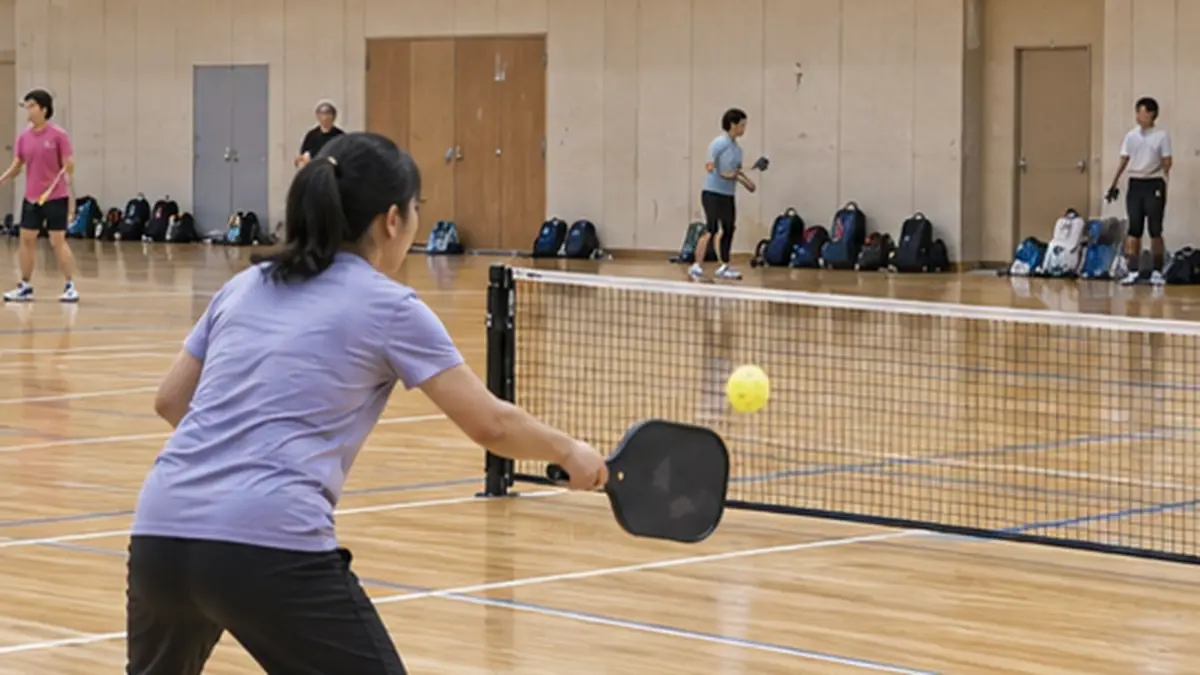
Japan is entering an aging society unlike any other in the world. Because it can be enjoyed regardless of age or fitness level, pickleball holds the potential to become an ideal lifelong sport for Japan's aging society. Its appeal is that it can use existing tennis and badminton courts, making it easy to start, and that it can be enjoyed with family and friends.
Introduction into school physical education programs is also progressing, and adoption among the younger generation is accelerating. Pickleball is recognized as an excellent tool for teaching sportsmanship, teamwork, and strategic thinking. Pickleball clubs are also being established at universities, and it is establishing its position as a social sport among the younger generation.
Future Outlook and the Road to an Olympic Sport
国際競技団体の再編や加盟状況は変化が続いています。団体数・加盟国数を固定値で捉えず、各団体の最新発表を確認する必要があります。将来的なオリンピック種目入りを目指す動きもあり、世界的なスポーツとしての基盤を築きつつある。2024年以降、IPFはIOCとの対話を強化し、認知度向上に努めている。
Although it was not selected as a candidate sport for the 2028 Los Angeles Olympics, there is ample possibility of adoption at subsequent Olympics. A foundation as a major sport is coming into place, including the development of international governing bodies, standardized rules and competition formats, and the establishment of professional tours.
Why the Pickleball Boom Is Not a Passing Fad
While many sports booms end as temporary fads, pickleball shows sustained growth.
The reason lies in its intrinsic appeal as a sport and its fit with social needs. Important is that, beyond mere entertainment, it has become an important fitness activity and a "culture" for many Americans. The average age of pickleball players who play once a month or more is 34.8, spreading as a young sport.
Value as a Place for Cross-Generational Interaction
Pickleball serves as a bridge between generations and cultures. It is one of the few sports where grandparents and grandchildren can enjoy playing on the same court, and it also functions as a place for the integration of immigrant communities and cross-cultural exchange. This social aspect has developed it into a cultural phenomenon beyond a mere sports boom.
Economic Impact and the Creation of New Employment Opportunities
The pickleball-related industry is growing rapidly and creating new employment opportunities. Diverse business opportunities are emerging, such as court construction, equipment sales, tournament operation, and coaching services. Some entrepreneurs are developing complex facilities such as pickleball cafes and pickleball resorts, deploying business models that combine sport and socializing.
The Use of Technology and the Outlook for the Future
The use of technology is also progressing, showing development adapted to the digital age, such as AI performance analysis, virtual training programs, and online matchmaking systems. Technical innovation also continues, with the refinement of the sport progressing through the evolution of paddle materials, improvements to balls, and optimization of court surfaces.
Summary: The New Sports Culture Pickleball Brings
Pickleball has gained explosive popularity in America and is becoming established as a culture, going beyond a mere temporary boom. About 48.3 million Americans play it, achieving astonishing growth to third place in the sports participation rankings. Participation by celebrities and public figures, increased media exposure, and the inflow of investment money are raising its credibility and profile as a sport.
The keys to its success lie in the low barrier to entry that anyone can start casually, the economy of being able to use existing infrastructure, its value as a place for sociability and community formation, and its health benefits. Adoption is gradually progressing in Japan too, and it is anticipated as an ideal lifelong sport for an aging society.
Pickleball is likely to develop further as a lifelong sport and as a place for forming new communities. Its growth, beyond the mere spread of a sport, is expected to generate multifaceted value, including social connection, health promotion, cross-generational interaction, and international cultural exchange.
Why not become part of this new sports culture yourself?
Related Articles
確認した一次情報
Related Articles