Line up the countries where pickleball is growing fastest and all of the top 10 are in Asia. The rating system DUPR compiled the ranking from growth in new users over the past 12 months, and US outlet The Kitchen published it. The Philippines is first at 1,213% for the year, and Japan is fifth with growth of 170%. Compared with a few years ago, when talk of the global playing population centered on North America, the engine of growth has moved to Asia. For anyone playing on a court in Japan, it is also a guide to how opponents, equipment and tournaments may change from here.
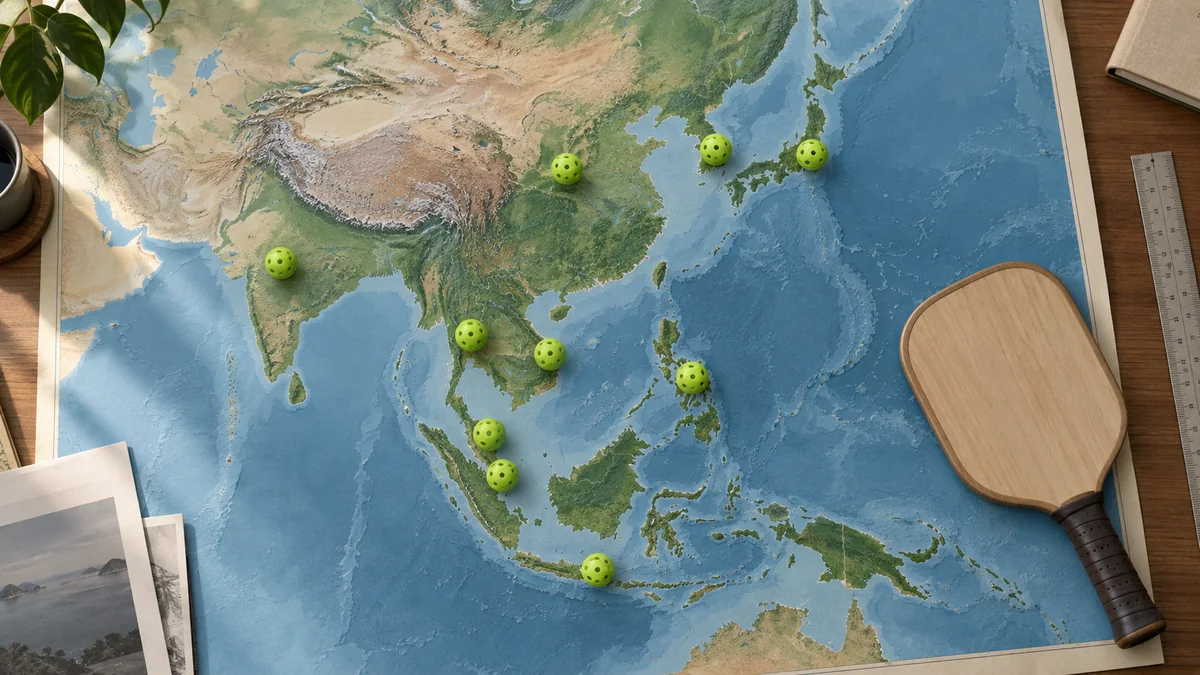
All of the top 10 for growth rate are in Asia
What The Kitchen compiled is the 12-month growth rate in new users registered with DUPR. Because it ranks the speed of increase rather than the absolute playing population, emerging countries with a small base tend to post high numbers. Even so, the fact that all 10 were in Asia without exception shows entrances widening across the region at once. DUPR itself has written on its blog that growth in several Asian countries is outpacing the recent United States.
Japan is fifth, behind the Philippines, Indonesia, China and India, all large by population, and ahead of South Korea, Thailand, Malaysia and Vietnam. The balance of power in Asia matches the pattern whereDUPR's Asian rankings showed sharp rises in South Korea, Malaysia and Vietnam, and Japan is one of the countries on the way up.
What the Philippines' 1,213% says about room to grow in new markets
The 1,213% of the leading Philippines is an order of magnitude above the rest. Indonesia is second at 405%, China third at 183% and India fourth at 182%, and from fifth down the figures sit in the 100s. In the Philippines, as with the home-grown brandSmash Republic launching, domestic production of equipment and the arrival of pro players have advanced together, so the path from the entrance of the sport to the top came together in a short time. The way the number jumps resembles the typical curve of a market that catches fire late and rises all at once.
Japan's 170% does not reach these explosive newcomers, but it means something that a 70% increase came on top of an already established playing population. Holding high growth in a market with a grown base is harder than jumping from zero.
Growth rates for the 10 countries compiled by DUPR
| Standing | Country | 12-month growth rate |
|---|---|---|
| 1 | Philippines | 1213% |
| 2 | Indonesia | 405% |
| 3 | China | 183% |
| 4 | India | 182% |
| 5 | Japan | 170% |
| 6 | Thailand | 170% |
| 7 | South Korea | 159% |
| 8 | Singapore | 153% |
| 9 | Malaysia | 120% |
| 10 | Vietnam | 110% |
Source: DUPR's 12-month new-user data (reported by The Kitchen). This ranks the rate of increase, not the total playing population.
Where does Japan's 170% sit in the world
170%という数字を、日本の現場で観察される動きと照らし合わせてみる。豊洲のドッグパーク内に屋外4面の常設コートが開いた, commercial developers and local governments have built permanent courts one after another over the past year. Free tasters drawing several times their capacity in applications have happened around the country too, and a 170% rise in registrations does not contradict that sense on the ground.
同率6位のタイ、7位の韓国と1桁台の差で並んでいることも見逃せない。アジアの中位グループは団子状態で、来年のわずかな施策の差で順位が入れ替わる余地がある。Japan reaching the world's final four at the World Cup in Da Nangような競技面での実績が、登録者の伸びをさらに押し上げる循環に入りつつある。
Where equipment makers and facility operators move next
増加率の地図がアジアに寄ったことは、用具ブランドや施設事業者の投資判断に直接効いてくる。パドルや練習球のメーカーにとって、伸び率上位の市場は新規購買が生まれやすい。日本はすでに輸入パドルの選択肢が増え、屋内球のような細分化した製品も入ってくるようになった。競技人口の伸びが続けば、日本語対応のサポートや国内在庫を持つ動きが加速する可能性がある。
施設側では、増加率が高い市場ほど「打つ場所が足りない」課題が先鋭化する。アジア各国が同時に施設不足に直面すれば、コート設計や運営ノウハウの共有、コーチの往来といった地域内の連携が現実化してくる。日本のプレーヤーは、海外遠征や国内での国際大会でアジア勢と当たる機会が増えるとみておくのが自然だ。
プレーヤーが今からできる準備
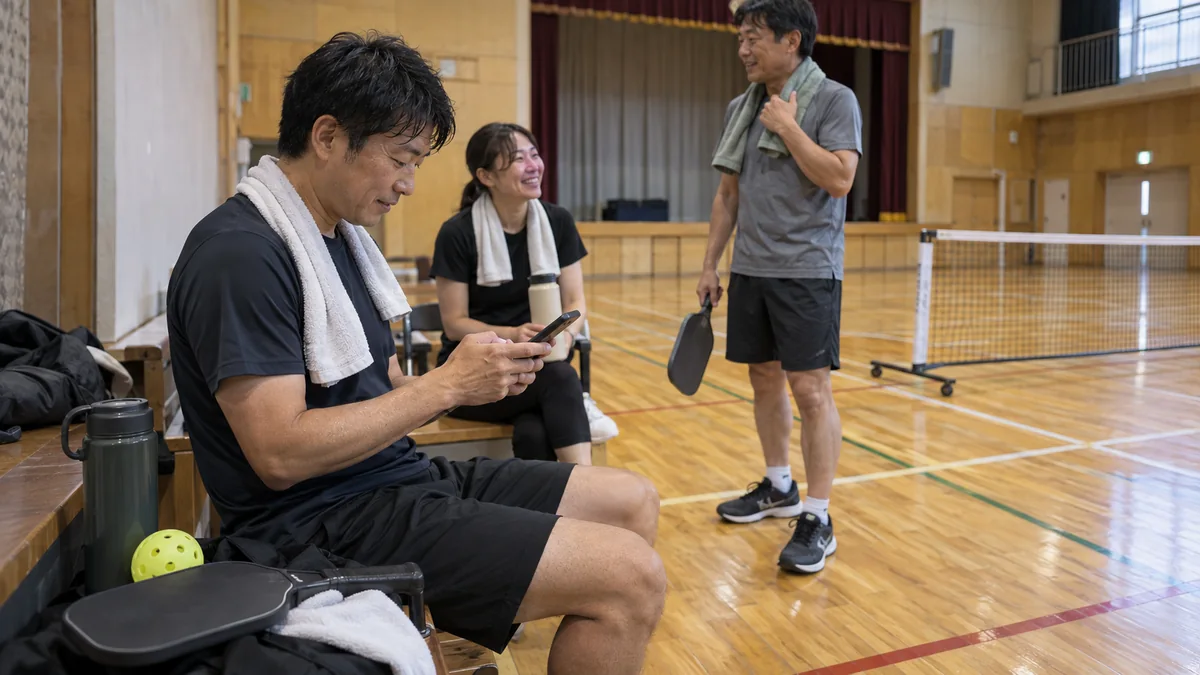
ランキングは市場の温度計であって、明日の自分の上達を保証するものではない。ただし伸びる市場では、初心者向けの体験会、中級者の練習会、上級者の大会という段階が短期間でそろっていく。日本もその途上にあり、今のうちにDUPRの登録と試合履歴を積んでおけば、増える大会のエントリーやレベル別の組み合わせで有利になる。
As a next step, get a DUPR rating at a nearby permanent court or taster session and plan your practice with the Asian tournament calendar in mind. Fifth in the world for growth is a base that makes it easier to attract international events and overseas players. The feeling behind the number, that there will be more people to play against, is worth getting ahead of on court.
Sources
The Kitchen「10 countries where pickleball is growing fastest」