The Basic Rules of Line Judging
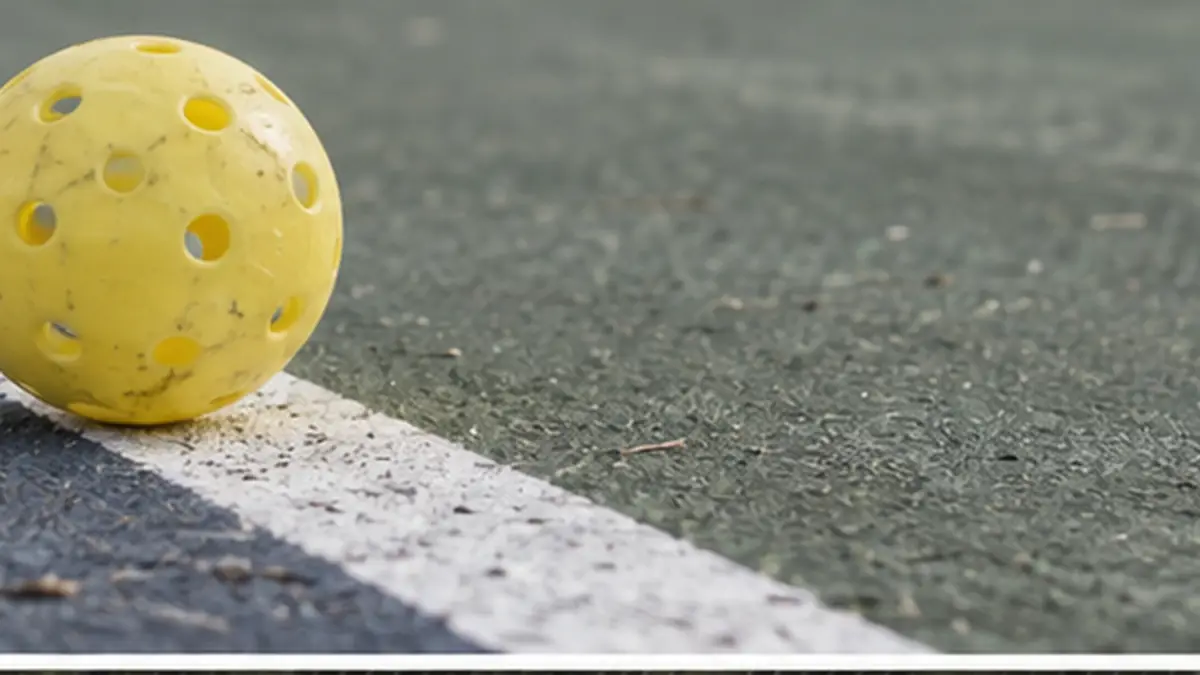
In pickleball, if the ball even slightly touches the line, it's "in." This is the same idea as in tennis: if the ball's contact point catches any part of the line at all, that shot is good.
Conversely, only when the ball lands outside without touching the line at all is it judged "out." When in doubt, treating it as "in" is the basic spirit of pickleball. Making the call in the opponent's favor is recommended as sportsmanship.
How Self-Officiating Works and the Scope of Responsibility
In many pickleball matches, a self-officiating method without referees is adopted. In self-officiating, you judge the in/out of balls that land on your own court side yourself. In other words, when a ball the opponent hit lands on your court, judging it is your (or your partner's) responsibility.
What's important is the rule that "you must not make an out call on a ball on the opponent's court side." For balls landing on the opponent's line, the opposing team holds the right to judge. Just understanding this principle prevents many disputes before they happen.
The Correct Way to Make an Out Call
When you judge it out, clearly say "out!" right after the ball lands, and at the same time indicate it with a raised-hand gesture. It matters to make the call as early and clearly as possible. A delayed call breeds distrust in your opponent and can be a cause of disputes.
Using both voice and gesture makes the call easier to convey even in a noisy environment. Especially on outdoor courts, where wind can make voices hard to hear, hand signals become important.

How to Handle Close Calls
When the ball lands right on the line and you can't be sure, what should you do? The official rules stipulate that "if you can't judge it to be definitely out, call it in." In other words, when in doubt, it's in. This is pickleball's great principle.
In doubles, you and your partner may disagree. In that case, the judgment of the player closer to the ball takes priority. However, if either partner judges it in, the rule is to treat it as in. An "out" judgment requires agreement from both, but "in" is established by one person's judgment.
Proposing a Replay (Let)
If you truly can't judge it and opinions differ between the two teams, you can propose a "replay" to redo that point. This is an effective means of keeping the relationship between you good. In recreational-level games, value the spirit of fair play over winning and losing.
Judging When There's a Referee
At official tournaments, a referee may be assigned. When there's a referee, the baseline and sideline calls are made by the referee. Players have a duty to follow the referee's decisions, and to object requires going through a formal procedure.
However, foot faults on the kitchen line (non-volley-zone line) may be missed even with a referee. In tournaments over the past few years, video replay is being introduced, but it's not yet common.
Etiquette to Prevent Disputes
Disputes over line judging are one of the most common problems in pickleball. By keeping the following points in mind, you can play pleasantly.
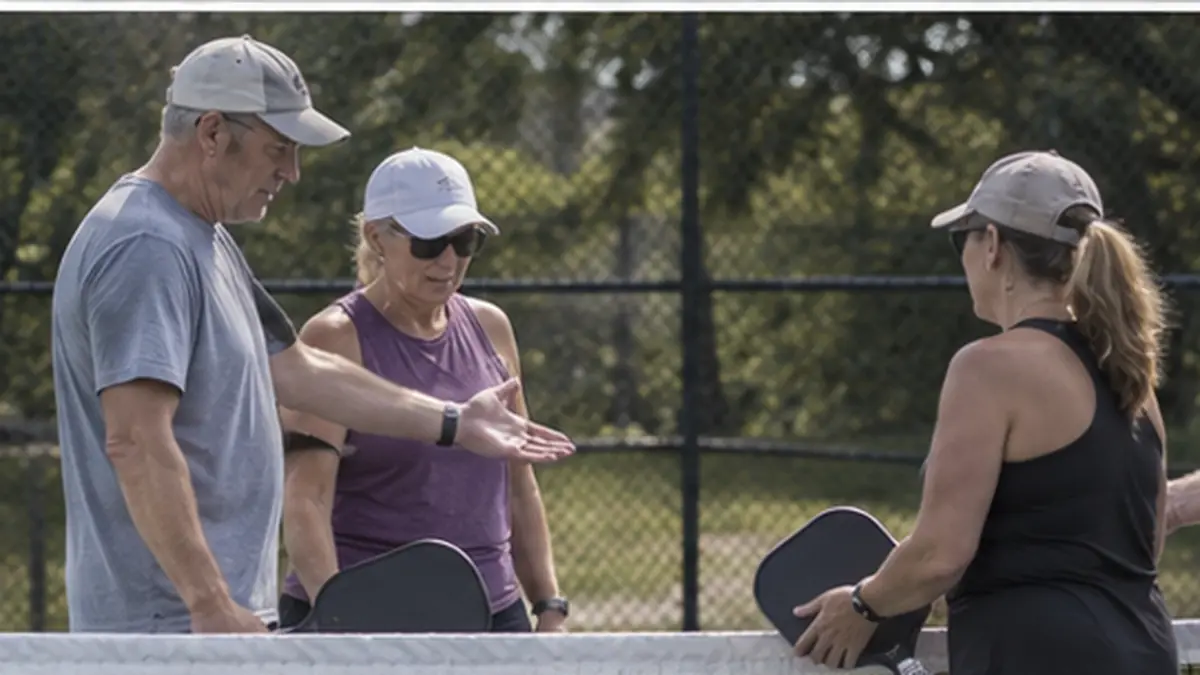
First, respect your opponent's calls. Judging your own court side is your right, and judging the opponent's court side is their right. Even if you're unhappy with your opponent's call, respond calmly without getting emotional.
Next, have the courage to admit your own misjudgment. If you mistakenly call a ball out when it was clearly in, graciously concede the point to your opponent. In the long run, a fair attitude leads to trust as a player.
Finally, to focus on judging, make a habit of watching the ball's landing point carefully. Rather than immediately starting your next move after hitting, be conscious of confirming the ball's landing before shifting position.
Summary: Fair Play Is Pickleball's Appeal
The basics of line judging are two: "when in doubt, it's in" and "the opponent judges their own court side." Pickleball is known as a gentlemanly sport, and the accuracy and fairness of your self-officiating express your character as a player. Keep your line judging accurate and enjoy a pleasant game.
Related Articles Worth Reading
- Pickleball Glossary | 50 Essential Terms Worth Knowing
- The Rules and Play Guide for Getting Started With Pickleball
- A Must-Read for Beginners! What Makes Pickleball So Appealing
- How to Keep Score in Pickleball | The Meaning of 0-0-2, Too
- What Is the Pickleball Two-Bounce Rule? The Basics and Common Misunderstandings
Reference Links
Related Articles