この記事の要点
- Pickleball is a racket sport combining elements of tennis, table tennis, and badminton.
- 「新しいスポーツを始めたいけれど、体力に自信がない」という人は少なくありません。
- では実際、どの程度の体力が必要なのでしょうか。

What is pickleball's exercise intensity?
Pickleball is a racket sport combining elements of tennis, table tennis, and badminton.
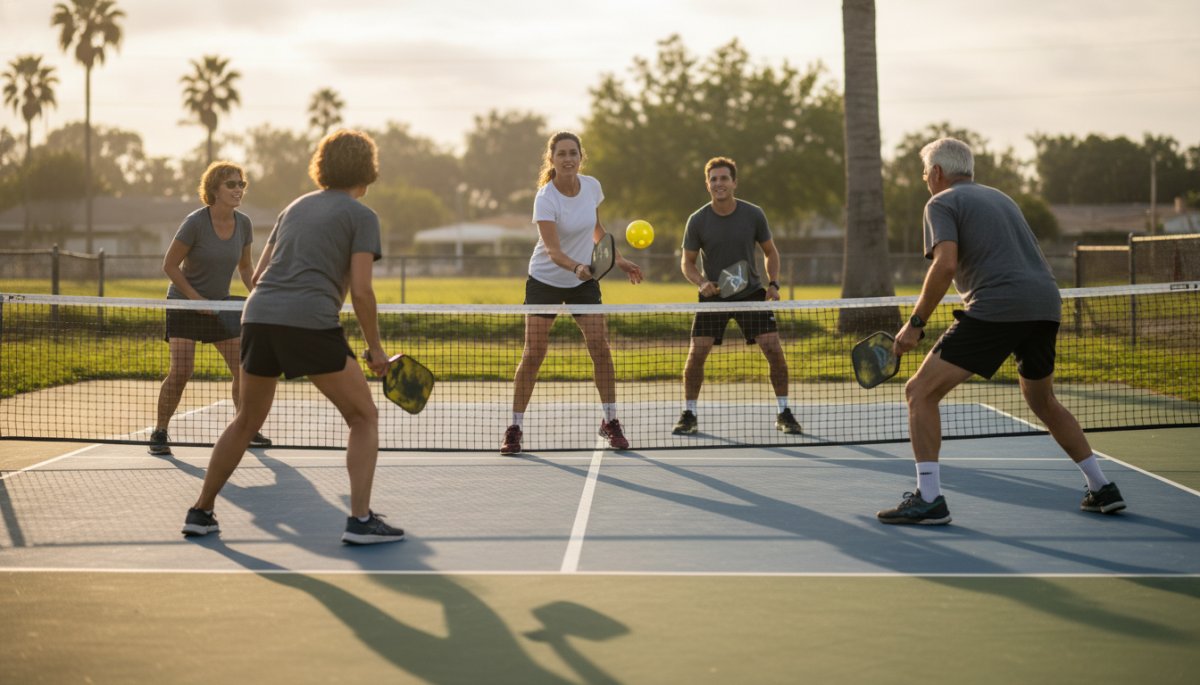
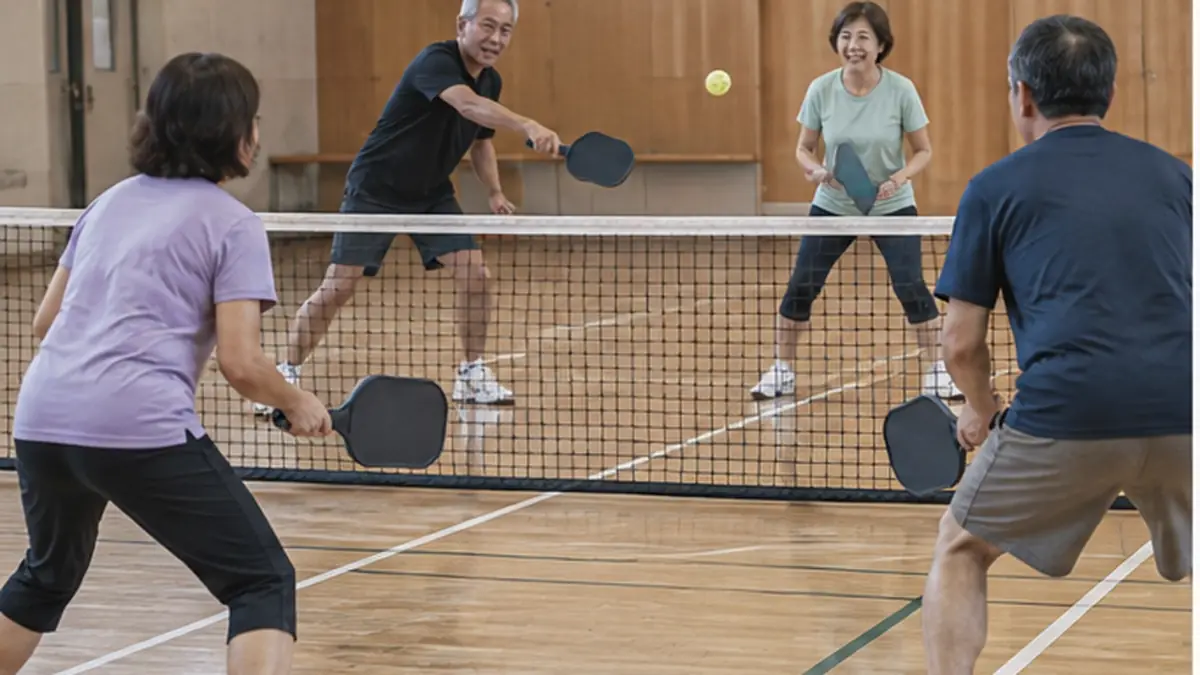
Many people say I'd like to start a new sport, but I'm not confident in my fitness. To put the conclusion first, pickleball is designed to be enjoyed regardless of age or fitness level, and it is rapidly gaining popularity worldwide. The court is roughly a quarter of a tennis court, and the ball is lightweight plastic. There is little intense movement, and even beginners can enjoy a rally right away.
では実際、どの程度の体力が必要なのでしょうか。運動強度は、シングルスかダブルスか、ラリーの長さ、本人の体力で変わります。息が弾む程度になることもありますが、一律に中強度とは限りません。ラリー中の動きと自然な休憩が繰り返されるため、インターバルのような運動になりやすいのも特徴です。全身を使うので、運動不足の解消や体力づくりを目指す人に向いています。この記事では、必要な体力の目安や他競技との違い、年齢別の楽しみ方、体力づくりのコツまでを整理します。
A comparison of exercise intensity with other racket sports [quick reference]
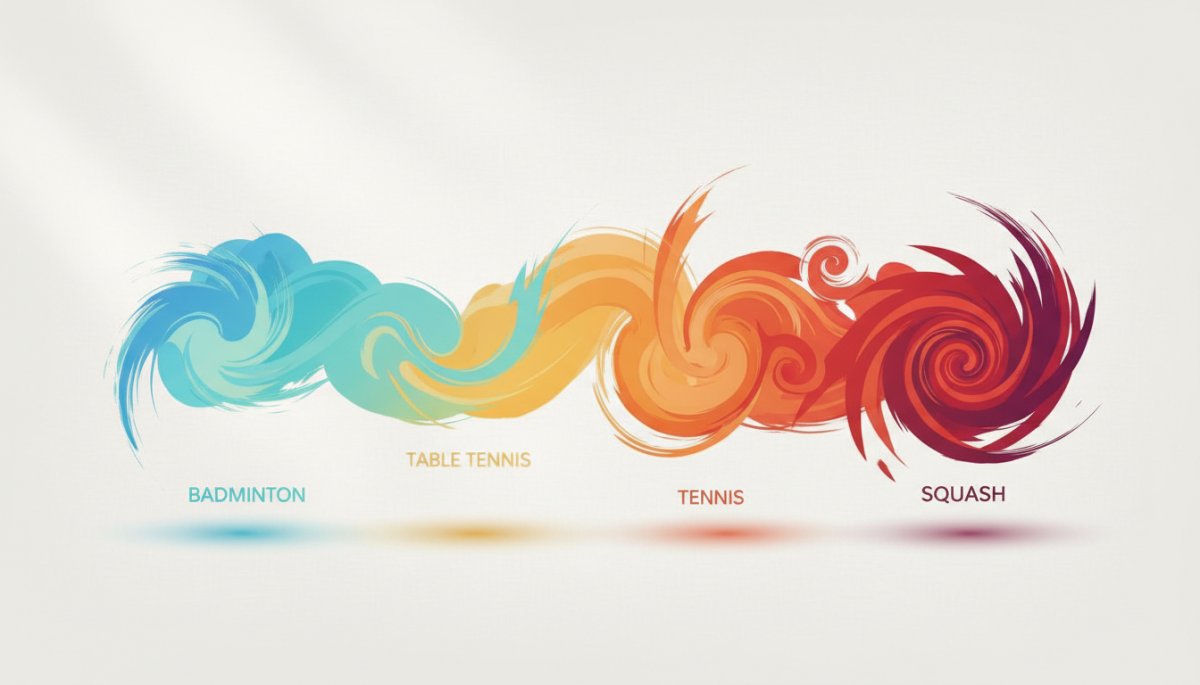
Pickleball's exercise intensity becomes easier to understand compared with other racket sports. First, grasp the big picture from the table.
| Sport | Tendency in exercise intensity | Guideline for ball speed |
|---|---|---|
| Pickleball | Moderate. Little movement, strategy-focused | Around 50 to 80 km/h |
| Tennis | High. A lot of movement, power also needed | Sometimes over 200 km/h |
| Badminton | High. Explosive power and endurance needed | The smash is extremely fast |
| Table Tennis | Moderate to high. Reflexes are important | Sometimes over 150 km/h |
the differences from tennis
Compared with tennis, pickleball's exercise intensity is somewhat gentler.
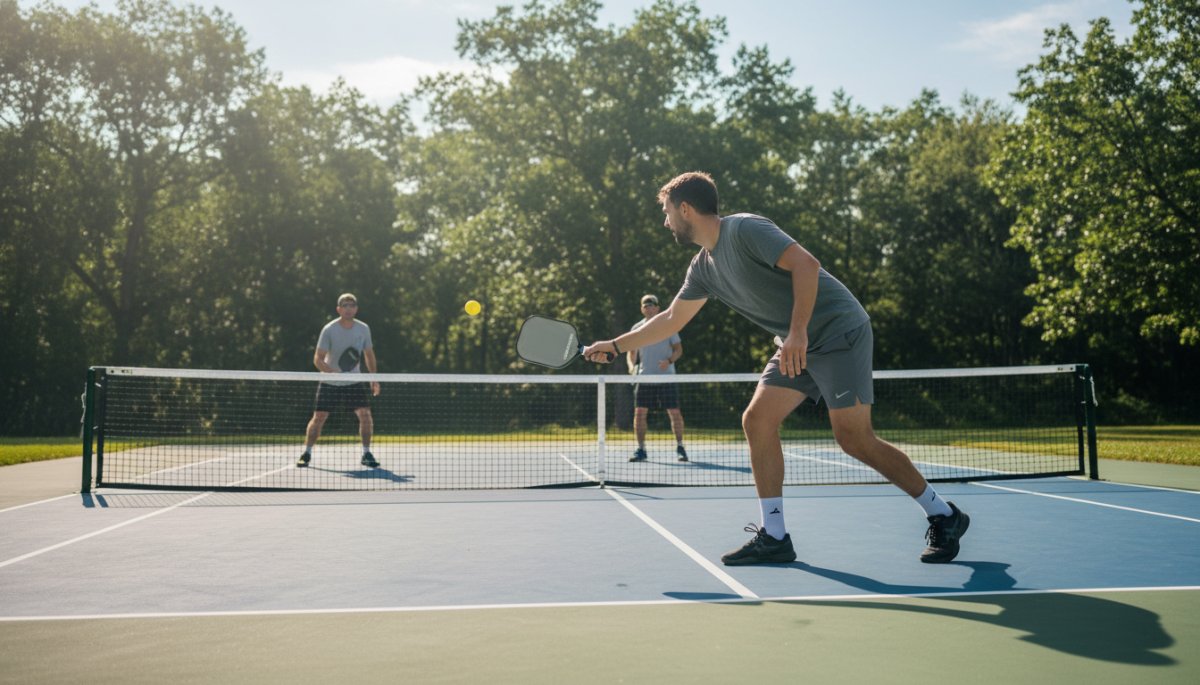
The court is about a quarter the size so there is little distance to cover, lightening the physical burden. Whereas a tennis ball can fly at over 200 km/h, a pickleball travels at around 50 to 80 km/h. With more room to react, it is easy to handle even for people not confident in their explosive power. The serve is underhand only, so plays that finish in one shot with a fast serve are rare, and rallies tend to continue. Because of the non-volley zone, technique and positioning decide the outcome more than strength or swing speed.
difference from badminton
Badminton's strengths are its high-speed smashes and quick movement, an intense aerobic exercise in which you may move several kilometers in a single match.
Pickleball, by contrast, has a relatively relaxed pace with time to play while thinking. The weight on endurance is small, and because technique and strategy do the talking, you can step onto the stage even without confidence in your fitness.
The difference from table tennis
Table tennis is extremely fast and demands reflexes, but pickleball is more relaxed, with room to think about shot selection.
The scale also differs greatly: a table tennis table is about 4 square meters, whereas a pickleball court is about 81 square meters, roughly 20 times larger. There is movement given the larger size, but because the ball is slow, even beginners can catch up to it easily.
Fitness guidelines and how to enjoy it by age
Pickleball's appeal is that you can adjust the exercise intensity to your age. We have organized guidelines by age group.
| Age group | Guideline for how to enjoy it |
|---|---|
| 20s to 40s | Aggressive play using explosive power. Build fitness with two or three times a week |
| 40s to 60s | Maintain cardiorespiratory function at moderate intensity. Strategy focus makes up for fitness gaps |
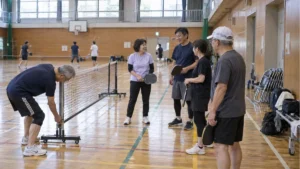
| 60s and up | Ease the burden with a relaxed pace. Also a place to socialize |
Fitness guidelines for younger players (20s to 40s)
Younger players can enjoy an aggressive playing style using explosive power.
They can seize the initiative with quick movement and powerful shots, but with basic cardiorespiratory function and strength, even beginners can enjoy it plenty. Playing two or three times a week builds fitness without strain.
Fitness guidelines for middle-aged players (40s to 60s)
For the middle-aged, pickleball is just-right exercise.
運動量を調整しやすい一方、急停止や方向転換では関節に負担がかかります。怪我のリスクが低いと決めつけず、体力に合わせて休憩してください。戦略的なプレーを重視すれば、体力面の不利を技術で補えます。定期的に体を動かす習慣として、ストレス解消にも役立ちます。
Fitness guidelines for senior players (60s and up)
That even seniors can enjoy it with peace of mind is a major feature of pickleball.
Because the court is small and there is little distance to cover, it is easy to ease the burden on the knees and lower back, and you can adjust the pace to your own fitness. It has a strong social side too and functions as a place to build community. It is also incorporated into rehabilitation and senior exercise programs. For points to note when seniors start,the guide to enjoying it across generationsis also helpful.
Source Pickle Peak, Pickleball Makes for a Great Aerobic Workout?Created from
The main movements used in pickleball and the body parts
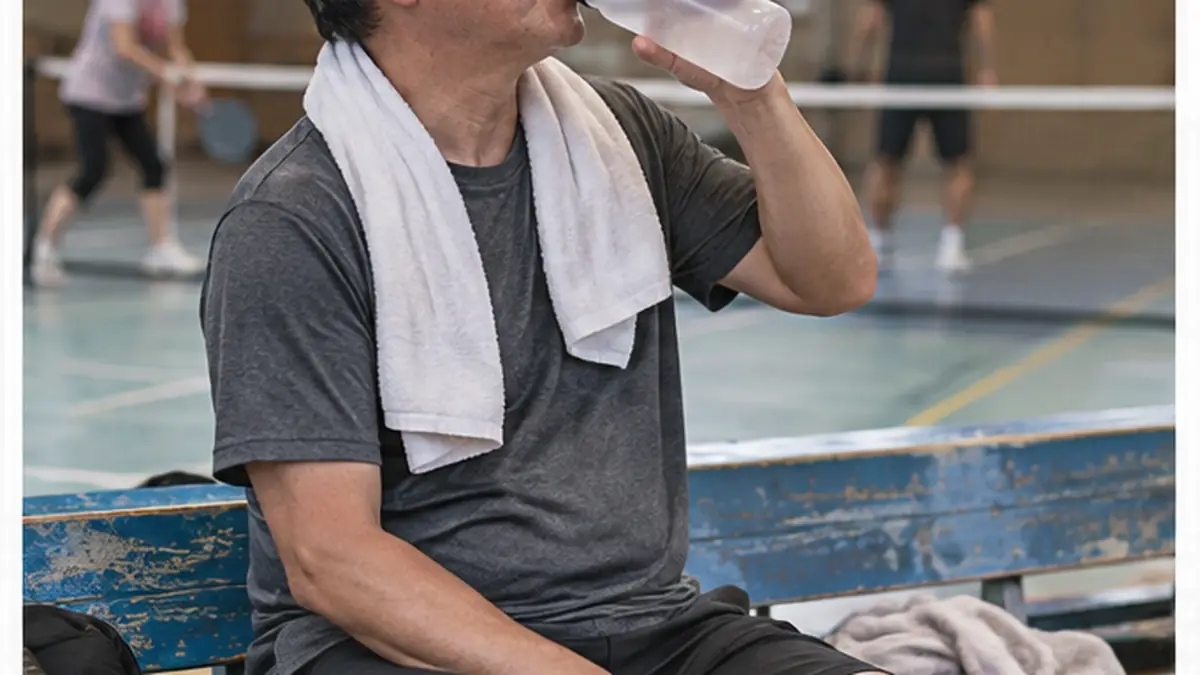
Although there is little movement, pickleball includes surprisingly varied movements. Knowing what you use lets you target your training and warm-ups.
| Main movements | Body parts used |
|---|---|
| Quick steps side to side | Inner thigh (adductors), front of thigh (quadriceps), calves |
| Dinks and picking up balls in a low stance | Core (abdomen, back), glutes, lower body |
| Swinging and controlling the paddle | Forearm, wrist, shoulder, chest area |
| Closing in and backing off, front to back | The whole lower body, core balance |
Especially frequent are small steps side to side and movements that hold a low stance. Because these work the lower body and core, leg strength and balance are naturally cultivated as you keep at it. Put another way, loosening the hips, calves, and shoulder area with focus in your warm-up makes movement smoother and helps prevent injury. Because intense jumping and all-out sprinting are rare, this sport is reassuring in that even people who have been away from exercise are unlikely to hurt themselves.
How to build endurance and explosive power
The fitness pickleball requires can be raised effectively through daily training.
Training to build endurance
For endurance, aerobic exercise is effective.
ウォーキング、水泳などを組み合わせる方法があります。運動頻度は一律に決めず、CDCなどの一般的な身体活動指針と自分の健康状態に合わせてください。ピックルボール自体も優れた有酸素運動なので、定期的なプレーがそのまま持久力づくりにつながります。ラリーが続くことで心拍数が上がり、長くプレーできる体力が養われます。ラリー中の動きと休憩が交互に訪れるため、インターバルトレーニングのような効果も得られます。
Training to build explosive power
For explosive power, short sprints, jumps, and agility drills are effective.
They can raise your quick changes of direction on court and your reaction speed to the ball. Bringing in ladder training and cone drills two or three times a week for about 10 to 15 minutes raises the quality of your play.
Improving balance and flexibility
Pickleball includes varied movements, such as front-to-back and side-to-side motion and picking up balls in a low stance.
To cultivate balance, standing on one leg and using a balance ball are effective. For flexibility, stretching and yoga are suitable. Stretching before and after play also ties into injury prevention, so make it a habit. For concrete care methods,a pre- and post-play stretching routine.
Fitness building even a beginner can keep up without strain
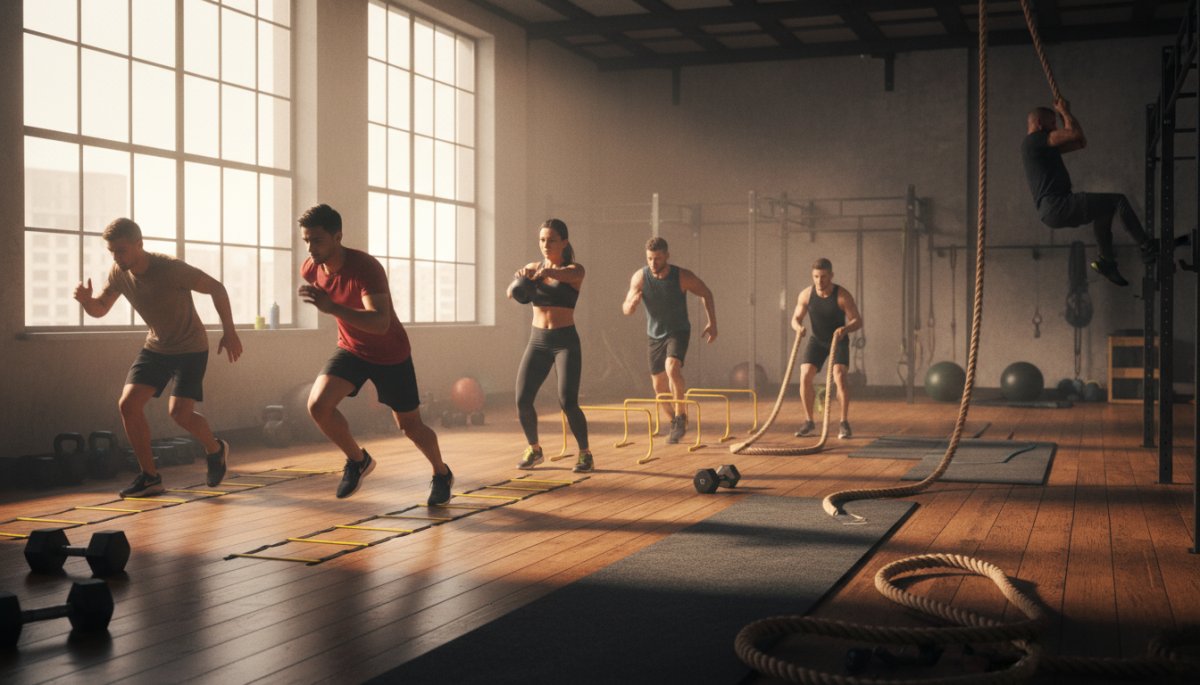
Even without confidence in your fitness, taking it in stages lets you keep at it without strain.
Warm-up and cool-down
To prevent injury, do a thorough warm-up before play. Warm the muscles with light jogging and stretching and widen the joints' range of motion. The cool-down after play matters too; loosening muscle tension with light stretching and deep breathing leaves less fatigue behind. If you are concerned about strain on the knees,the knee injury prevention guideis also worth a look.
Proper rest and hydration
During play, take frequent breaks and hydrate.
Taking in fluids before you feel thirsty is the trick to preventing dehydration. When you are not feeling well, do not push it, and value the judgment to rest or stop. Think of recovery as part of training too, and take enough rest.
Raise the exercise intensity in stages
For beginners, starting with once or twice a week is recommended.
Once your body gets used to it, move to two or three times a week. Start the intensity at a relaxed pace too and raise it little by little. Adjusting within a strain-free range to match your own fitness is the number-one tip for keeping at it long. Joining a local club or circle lets you keep at it while having fun with companions and makes motivation easier to sustain.
The health benefits you can expect from pickleball
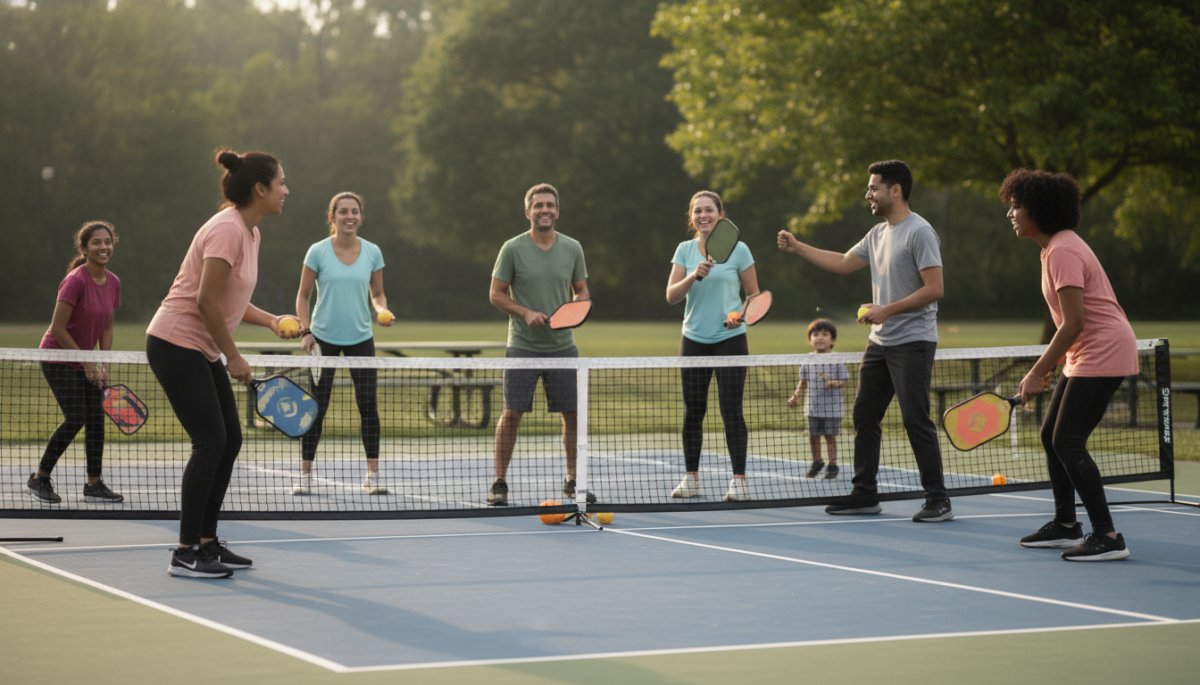
Pickleball is a sport from which you can expect benefits that are good for mind and body, not just for building fitness.
Keeping at it as aerobic exercise, you can expect to maintain and improve cardiorespiratory function. A habit of moving moderately becomes a foundation for improving lifestyle and building health, and the refreshment from exercise also ties into a change of mood. Because you play while thinking about strategy, using your head is another appeal.
Since it uses the muscles of the whole body, it also helps cultivate strength and balance. Above all, it easily becomes a place for interaction across generations, and connections with people and being able to keep at it while having fun are the value unique to pickleball. Since health effects vary by individual, those with chronic conditions or worried about exercise should consult their regular doctor and take it up without strain. For its effect on the mind, seethe mental health articleand for guidelines on calories burned,the calorie articlealso cover it.

The more you worry that it might be impossible without fitness, the more you should first go to a trial session. Pickleball has little movement and the ball is slow, so even people who have been away from exercise can keep a rally going in a few minutes. Not going all out from the start, starting with once a week for a short time and gradually getting your body used to it while feeling the fun, is the tip for lasting.
FAQ
Can you play pickleball even without fitness?
Yes. The exercise intensity is roughly moderate, the court is small with little movement, and the ball is slow, so even people who have been away from exercise can keep a rally going in a few minutes. First start with once a week for a short time and raise the intensity little by little while getting your body used to it.
Compared with tennis and badminton, how tough is it?
一般的なテニスコートより小さく、面積の目安は約3分の1です。長い距離を走る場面は比較的少ない一方、ネット前では素早い反応や横方向への切り返しが必要です。運動強度はプレー速度や組み合わせで変わるため、最初は短時間から試してください。
Can seniors keep at it without strain?
Yes. Because there is little distance to cover and it is easy to ease the burden on the knees and lower back, you can adjust the pace to your own fitness. It functions as a place to socialize too and is incorporated into rehabilitation and senior exercise programs.
Which muscles do you use in pickleball?
You use the thighs and calves for stepping side to side, the core and glutes in a low stance, and the forearm and shoulder for handling the paddle. Since the lower body and core are central, leg strength and balance are naturally cultivated as you keep at it. In your warm-up, loosening the hips, calves, and shoulder area is a good idea.
Summary: Enjoy pickleball at your own pace
The fitness pickleball requires is by no means a high hurdle.
The exercise intensity is roughly moderate and helps maintain cardiorespiratory function, but you can adjust it to your age and fitness. It lacks the intensity of tennis and badminton, and there is more time to think than in table tennis. Precisely because there is little movement and strategy is emphasized, even people not confident in their fitness can enjoy it plenty. Grasping the guidelines by age group and finding a playing style that suits you is important.
If you keep the warm-up and cool-down, frequent breaks and hydration, and adjusting the intensity in stages in mind, even a beginner can keep at it without strain. Being able to take it up as a lifelong sport while enjoying interaction with companions is pickleball's appeal. First join a trial session or club and feel that fun for yourself.
確認した一次情報
- CDC・Health Benefits of Physical Activity for Adults
- CDC・Adult Activity: An Overview
- Physical Activity Guidelines for Americans
Related Articles Worth Reading
- A Stretching Routine Before and After Pickleball | Care to Enjoy It Injury-Free for Years
- How Many Calories Does Pickleball Burn? Comparing One Hour of Exercise Intensity With Data
- To avoid hurting your knees in pickleball | Injury prevention and form explained
- Pickleball and Mental Health | Why It Works for Stress Relief and Preventing Depression
- Starting Pickleball as a Family | Why It's Fun Across Generations, and How to Begin
Related Articles