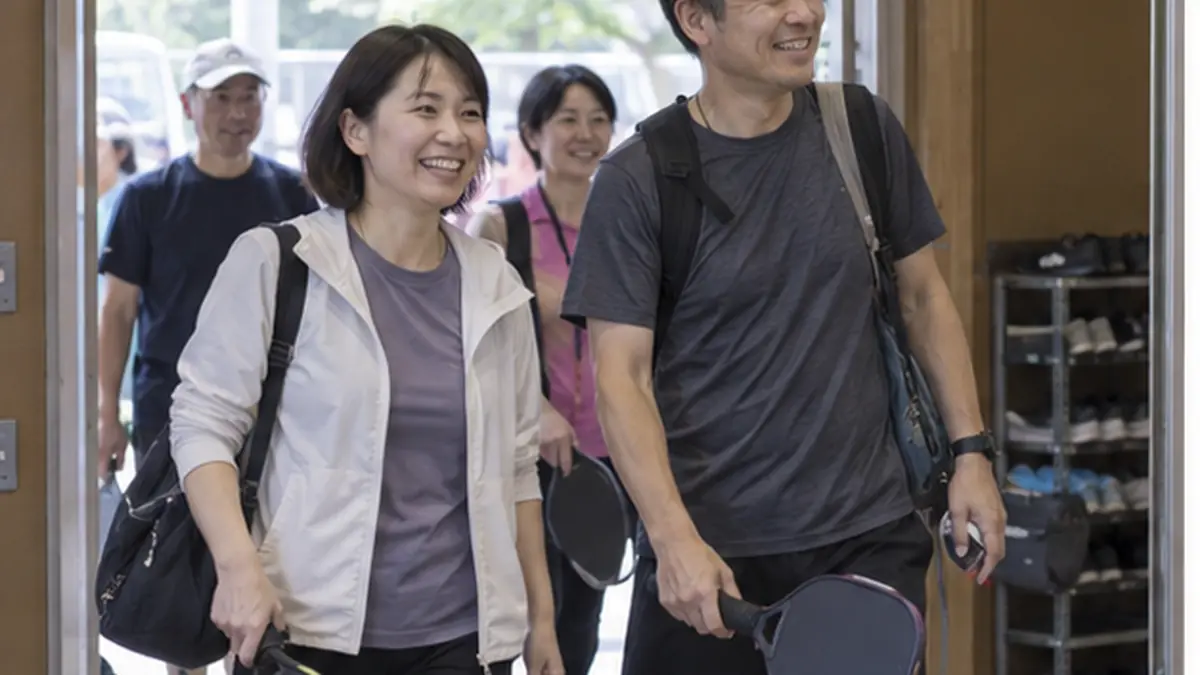
Beginners Can Enter Tournaments Too
Do you think "it's too early for me to enter a tournament"? In fact, pickleball tournaments have beginner categories, and there are plenty of events players just a few months in can enter. Entering a tournament gives you experience and growth you can't get from regular practice.
Types of Tournaments
The tournaments beginners can enter broadly fall into three types. First, let's grasp the big picture with a quick-reference table.
| Type | Host | Features | Beginner-Friendliness |
|---|---|---|---|
| Recreational Tournament | Circle / Club | Casual, with low entry fees | ◎ Best |
| Local Tournament | Prefectural / Regional Association | Has level-based categories | ○ From 2.0–2.5 |
| JPA Official Tournament | Japan Pickleball Association | Serious, with referees | △ Has a beginner category |
Recreational Tournament
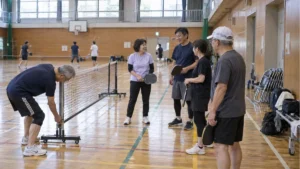
A casual tournament hosted by a local circle or club. Entry fees are low and it runs in a friendly atmosphere. This type is best for your first tournament. Many such tournaments emphasize socializing over winning and losing, so you can play and have fun.
Local Tournament
A tournament hosted by a prefectural or regional association. Categories are set up by skill level, and you can enter from the beginner (2.0–2.5) level. If you don't know your own level, checkingthe skill rating guidefirst will keep you from hesitating over which category to pick. It's also a good chance to learn the rules and etiquette.
JPA Official Tournament
An official tournament hosted by the Japan Pickleball Association. In a more serious competitive environment, referees may be assigned. Membership registration is often required, but beginner categories are available too.
How to Enter
Many tournaments recruit participants via social media and sports event sites. Tournament info is often shared in pickleball groups on Facebook and the like, so joining a local group makes it easier to catch the news. For how to find companions and circles,the guide to finding companionsis also helpful.
The info needed to enter includes your name, contact details, skill level (self-declared), and, for doubles, your partner's information. If you don't have a partner, some tournaments will match you up.
What to Bring to a Tournament
For your first tournament, you tend to worry about forgetting something. Let's cover the bare minimum you'll want to have.
| What to Bring | Point |
|---|---|
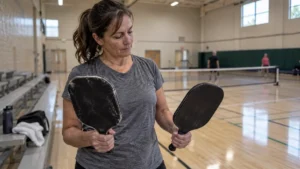
| Paddles | Having a spare on hand is reassuring |
| Indoor Shoes | Gymnasiums require non-marking soles |
| Drinks / Snacks | Since matches come back to back, stay hydrated and fueled |
| Towel / Change of Clothes | You'll sweat, so a spare set of clothes is comfortable |
| Membership Card / ID | Official tournaments may check your membership registration |
If you haven't gathered your gear yet,the guide to the first gear to getis also worth a look. Since some venues don't have paddle rentals, checking with the organizer in advance is reassuring.
How to Find a Doubles Partner
Many tournaments center on doubles. Quite a few beginners stumble on finding a partner, but there are a few methods.
Ask a Circle Buddy
The most natural approach is to invite a circle buddy you usually play with. With someone close in level whom you're comfortable with, you can face even a nerve-wracking tournament calmly.
Use the Tournament's Matching
Even without a partner, some tournaments will match you with a participant of the same level. If you say "looking for a partner" when entering, they may introduce someone for you to pair with on the day. Choosing a tournament with a singles category is another option.
The Flow on Tournament Day
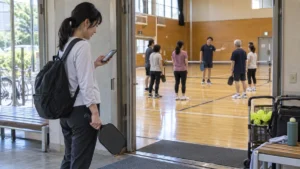
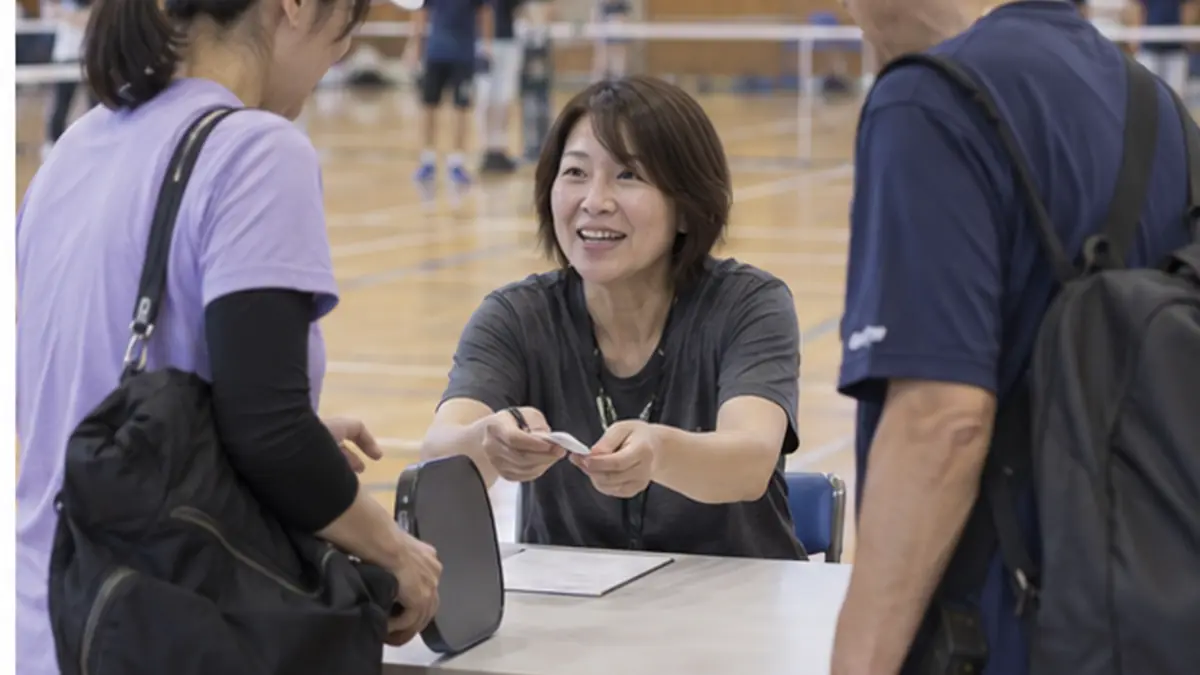
Once you've checked in, look at the draw sheet. Many tournaments use a round-robin (everyone plays everyone) format, and since the total number of matches is fixed, both wait times and playing times are easy to predict. After each match ends, record the score and check the next court and opponent. So you don't miss court numbers or your call, pay attention to announcements even while waiting.
Matches are usually played to 11 points (win by 2). Self-officiating is the default, but referees may be assigned. Take ample rest between matches and don't forget to hydrate.

Editor's Note
For your very first time, the goal is "getting used to it" rather than "the result." It's normal to be nervous, so first experience the whole flow—from check-in to matches to cleanup—at a circle-hosted recreational tournament. From the second time on it gets much easier.
The Mindset for Your First Tournament
Value Experience Over Winning and Losing
For your first tournament, make "getting to know the atmosphere" the goal rather than winning. It's natural to be nervous. Figure that putting out 70–80% of your usual ability is plenty, and play relaxed.
Learn From Your Opponents
At a tournament, you get chances to play opponents you can't face at your usual circle. It's an opportunity to observe good players' shots and tactics and work them into your own play. You can learn the most from the matches you lose.
Value Etiquette
Handshakes before and after the match, fair line judging, reactions to your opponent's good plays. Pickleball tournaments have a culture that values etiquette and sportsmanship. This courtesy matters more than technique.
Common Mistakes Beginners Make at Tournaments
Knowing them ahead of time will keep you from getting flustered on the day.
Tensing Up From Nerves
The more you tense up thinking "I don't want to miss," the further you drift from your usual play. Aim for about 80% of your usual and focus first on reliably getting the ball in the court—then your natural movement comes back on its own.
Not Warming Up Enough
Going all-out from the very first match, your body won't move and you tend to string together mistakes. Before the match, lightly loosen your shoulders, wrists and ankles, and if possible hit a few balls to dial in your feel.
Summary
Entering tournaments is the best way to accelerate your pickleball improvement. Playing opponents you can't meet at your usual circle shows you your weaknesses and your next challenges all at once. Start with a casual recreational tournament, and once you gain confidence, step up to local tournaments, then JPA official tournaments.
The important thing is not to try to win from the start. The first time, get used to the atmosphere; the second time, go in with one thing to work on—stacking up experiences like this, before you know it, leads to real ability. Don't overthink it—just take that first step and enter.
A Guide to the Costs of Entering a Tournament
For your first tournament, you'll want to know roughly how much it costs. It varies by tournament type, but knowing a rough guide makes budgeting easier.
| Item | Guide | Point |
|---|---|---|
| Entry Fee | A few thousand yen per category | Entering multiple categories adds up |
| Membership Fee | When required for official tournaments | Often unnecessary for recreational tournaments |
| Transportation | The actual cost to the venue | Distant events can incur lodging costs, too |
| Gear | Paddle and shoe costs | Once you've gathered them, you can use them again and again |
For recreational tournaments, it's easy to keep the entry fee down, so trying a low-cost local tournament first won't be a burden. In doubles, there are cases where you split costs with your partner, so checking in advance is reassuring.
Know the Basics of Self-Officiating
Pickleball tournaments default to self-officiating without referees. Not knowing how it works leaves you flustered on the day, so cover the bare-minimum rules.
Judge the Line on Your Own Court Side
Whether the ball is in or out is judged by you on the balls that land on your own court side. When you're unsure of a call, it's etiquette to call it in the opponent's favor. When calling out, clearly say "out" so the opponent can hear.
Call the Score Out Loud Every Time
Before serving, always say the three numbers out loud: "your points, the opponent's points, and the server number." This is an important habit to prevent score discrepancies. It's confusing until you get used to it, but after a few matches it becomes second nature.
Know the Differences in Tournament Formats
How matches progress varies by tournament. Knowing the two main formats makes it easier to plan for the day.
| Format | How It Progresses | The Benefit for Beginners |
|---|---|---|
| Round Robin | Everyone plays everyone within the same group | Even if you lose once, you can play multiple matches |
| Tournament (Bracket) | Knockout format (lose and you're out) | You get to feel the tension of advancing |
For beginners, we recommend round-robin tournaments where a set number of matches is guaranteed. Unlike a bracket where you're done after one match, you get to stand on the court many times, making it easier to bring out your true ability in the later stages once your nerves have eased. Many tournaments use a combined format where the preliminaries are round-robin and the top finishers advance to a knockout final.
Preparing in the Week Before a Tournament
So you don't get flustered on the day, it's reassuring to prepare little by little starting a week out.
| Timing | What to Do | |
|---|---|---|
| 1 Week Before | Confirm tactics with your partner, and check the condition of your gear | |
| The Day Before | Gather your gear, and check the venue and how to get there | |
| The Morning of | Eat a light meal, arrive early and let your body warm up |
In particular, worn paddle grips and worn-down shoe soles are easy to overlook. Swapping to something brand-new right before the event changes the feel, so if you're going to replace them, break them in a few weeks ahead.
How to Cope With Nerves
It's natural to be nervous at your first tournament. What matters is not trying to eliminate the nerves but accepting them and playing anyway. Take a deep breath before the match and focus, for the first few points, on just "reliably getting the ball in the court," and your body will naturally start moving. Making a habit of not dwelling on a mistake and switching to the next point leads to steady play.
Accelerate Your Improvement by Reviewing After the Tournament
A tournament isn't over once you've played it—it's the review afterward that connects to what comes next. On the same day, jot down the moments you won and the moments you fell apart. The more specifically you write it out—"my serve was steady, but I tensed up in tight moments," for example—the clearer your next practice theme becomes. Sharing impressions with the partner you played with is effective too, since they can point out habits you don't notice yourself. Making a habit of taking home one thing to work on each time leads, before you know it, to real ability.
FAQ
Can pickleball beginners enter tournaments?
Yes. Many tournaments have beginner categories (2.0–2.5), and you can enter even a few months in. A circle-hosted recreational tournament is the easiest way in to start.
Where can I find tournament info?
It's often recruited on social media (especially Facebook pickleball groups) and sports event sites. Joining a local group makes it easier to catch the news.
Can I enter a doubles tournament without a partner?
Sometimes you can. Depending on the tournament, the organizers will match you with a partner. Choosing a tournament with a singles category is another way.
What should I watch out for at my first tournament?
Make getting to know the atmosphere your goal, rather than winning or losing. Being able to put out 70–80% of your ability despite nerves is plenty. Valuing etiquette—handshakes before and after and fair self-officiating—lets you take part pleasantly.
How many points win a tournament match?
Many tournaments play to 11 points (win by 2). Self-officiating is the default, and serious tournaments may have referees. The round-robin (everyone plays everyone) format is common.
Related Articles Worth Reading
- The Complete Guide to Pickleball Skill Ratings (2.0–5.0) | Know Your Level
- Pickleball Is Especially Great for Seniors | The Benefits and Cautions of Starting in Your 60s and 70s
- How Many Calories Does Pickleball Burn? Comparing One Hour of Exercise Intensity With Data
- A Thorough Comparison of Pickleball and Badminton | Rules, Court and Gear
- Pickleball Glossary | 50 Essential Terms Worth Knowing
Reference Links
Related Articles