この記事の要点
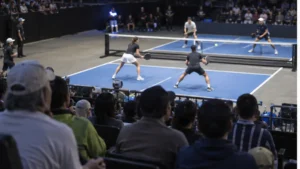
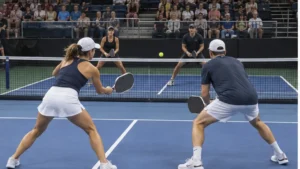
- Will the day ever come when pickleball, spreading rapidly worldwide, becomes an Olympic sport?
- 1965年に米国で生まれたピックルボールは各国へ広がっています。
- まず、どの大会で採用の可能性があるのかを時系列で押さえましょう。

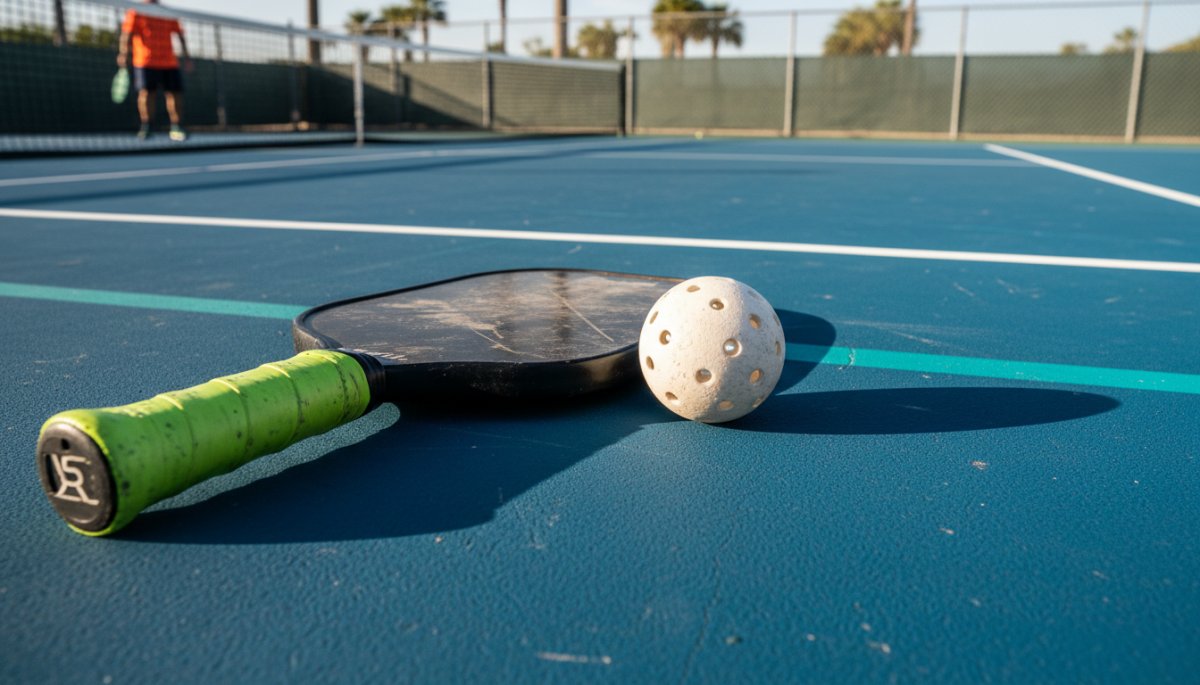
Will the day ever come when pickleball, spreading rapidly worldwide, becomes an Olympic sport?
1965年に米国で生まれたピックルボールは各国へ広がっています。この勢いを背景にオリンピック競技化への期待が高まっていますが、実現には国際統括組織の一本化や世界的な普及の証明など、いくつものハードルがあります。この記事では、2026年6月時点の最新情報をもとに、採用までの現実的な道筋と、いま競技化がどこまで近づいているのかを整理します。
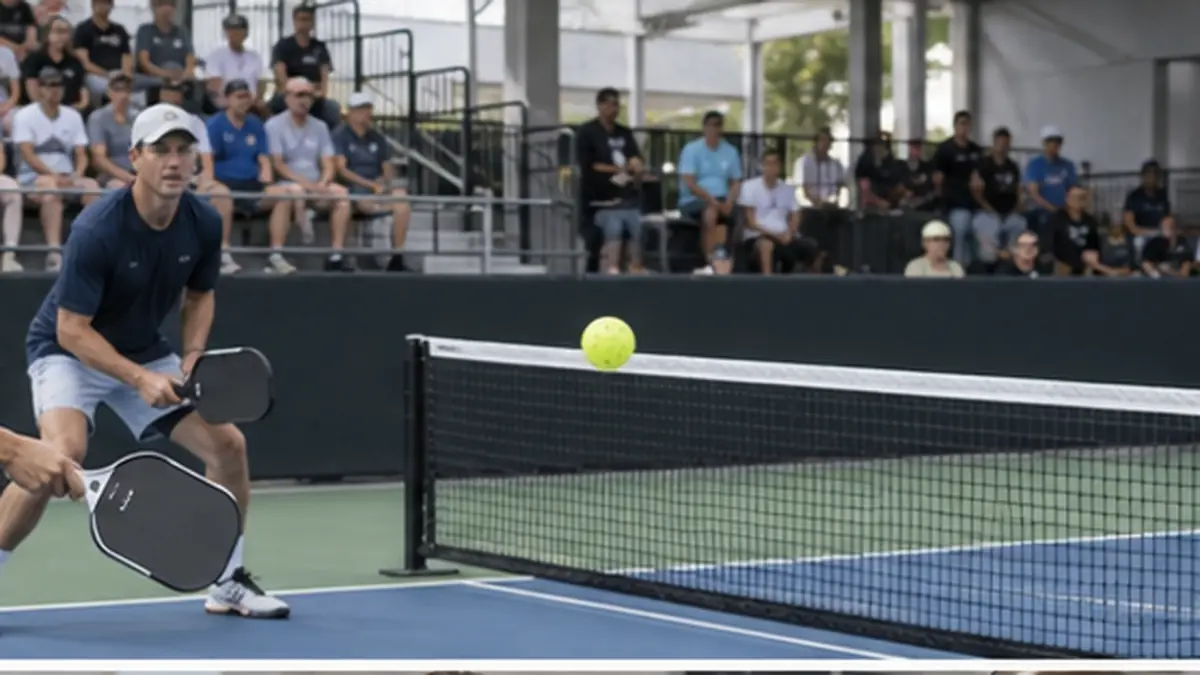
The Realistic Timeline to Olympic Adoption [Quick Table]
First, let's grasp chronologically which Games have the possibility of adoption. To conclude, it is 2032 at the earliest, and there is still no confirmed schedule.
| Tournaments | Adoption Outlook | Situation |
|---|---|---|
| 2028 Los Angeles | Non-adoption confirmed | The five additional sports were already decided in 2023. Pickleball is not included |
| 2032 Brisbane | Room for a proposal exists, but undecided | 開催都市が追加競技を提案できる枠組み。追加競技を含む最終プログラムは未決定 |
| 2036 Host Undecided | The next realistic target | If the governing bodies are unified and adoption is in place, it becomes a strong candidate Games |
The 2028 Los Angeles Games Confirmed as Passed Over
Pickleball's adoption at the 2028 Los Angeles Games was not realized.
The additional sports for the Los Angeles Games were confirmed at the IOC Session in October 2023, with five sports approved: baseball/softball, cricket, flag football, lacrosse, and squash. Because the Olympic sports program is finalized well before the Games, there is no room for pickleball to be added later here.
Source AP, "IOC approves five new sports for LA28"Created from
The 2032 Brisbane Games Has "Room for a Proposal" but Is Undecided
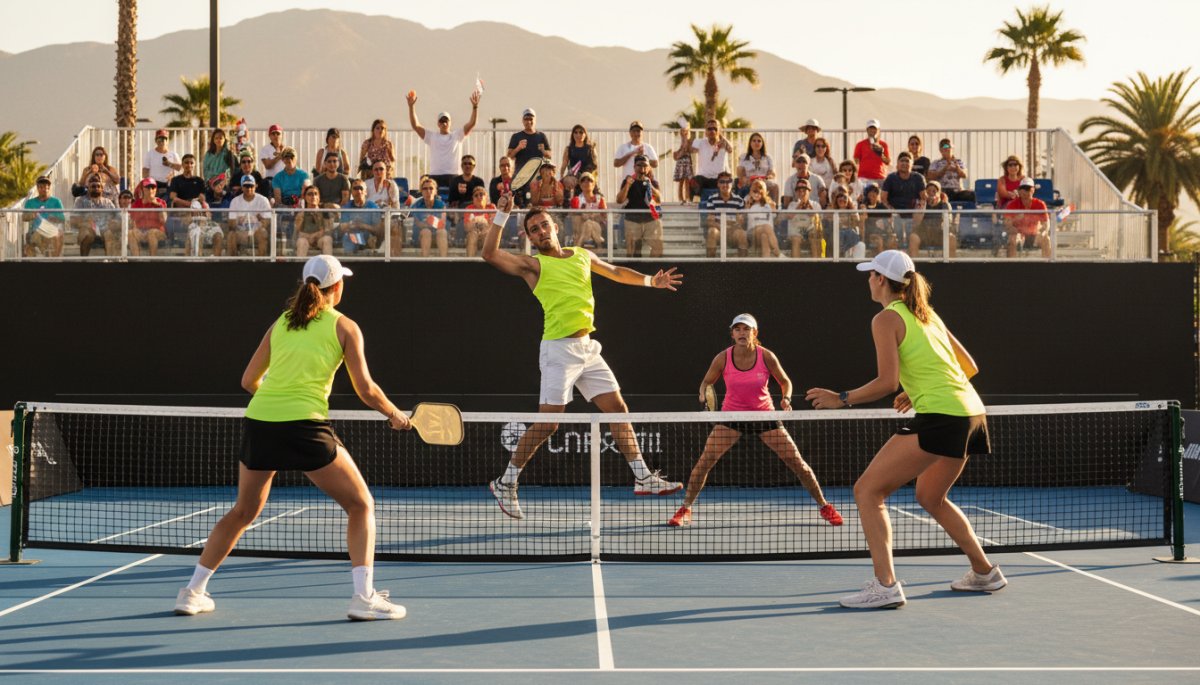
Drawing attention next is the 2032 Brisbane Games.
IOCは開催都市の組織委員会に対し、追加競技を提案できる機会を与える方針を示しています。開催国オーストラリアでも愛好者が増えており、組織委員会がピックルボールを推せばデビューの可能性は出てきます。ただし「2032年が最有力」と断定できる段階ではありません。Brisbane 2032はIOCや各競技団体と競技プログラムを協議中で、ピックルボール採用は決まっていません。提案が通るかどうかは、後述する組織の一本化がどこまで進むかに左右されます。
What Needs to Be in Place by the 2036 Games
The 2036 Games host has not yet been decided, but in the long term it is a strong candidate.
What should be in place by then are the unification of the world governing body and a track record of adoption without regional disparity. National federations are advancing the development of governance and adoption over a span of several years, and even if adoption in 2032 is passed over, the track record built up in the meantime will support the adoption decision for 2036 and beyond. Conversely, unless the organizations get in step, there is also the possibility that only the year keeps getting pushed back.
The Conditions the IOC Requires for Sport Adoption, and the Current Situation
To be recognized as an Olympic sport, several conditions set by the IOC must be met. Let's look at pickleball's current position for each condition.
| Main Conditions | Pickleball's Current Situation |
|---|---|
| Unification of the International Governing Body | The IPF and WPF have agreed to merge. On the other hand, the GPF also stands in parallel, and complete unification is in progress |
| Worldwide Adoption | 複数の国際団体が加盟組織を持つ一方、統括体制は一本化されていない |
| Anti-Doping System | Development is still at an early stage. Building a testing system on the pro tours is a challenge |
| Unified Rules and Rankings | There are differences by league and continent, and standardization is in progress |
Unification of the International Governing Body Is Still in Progress
The IOC places importance on one international federation governing one sport.
ピックルボールでは、国際統括団体の再編は続いており、組織名や加盟状況も変動しています。オリンピック競技化を判断する際は、特定時点の加盟国数ではなく、IOC承認など公式な手続きの進展を見る必要があります。一方で、USA Pickleballが主導して2023年に発足したGPF(Global Pickleball Federation)は別の枠組みとして並立しており、世界がひとつの組織にまとまったとは言えない状況です。この「ワンボイス」体制の確立が、競技化に向けた最大の論点になっています。
Source International Pickleball Federation (the background of the federation merger and the GPF's launch)Created from
How Far Has Worldwide Adoption Progressed?
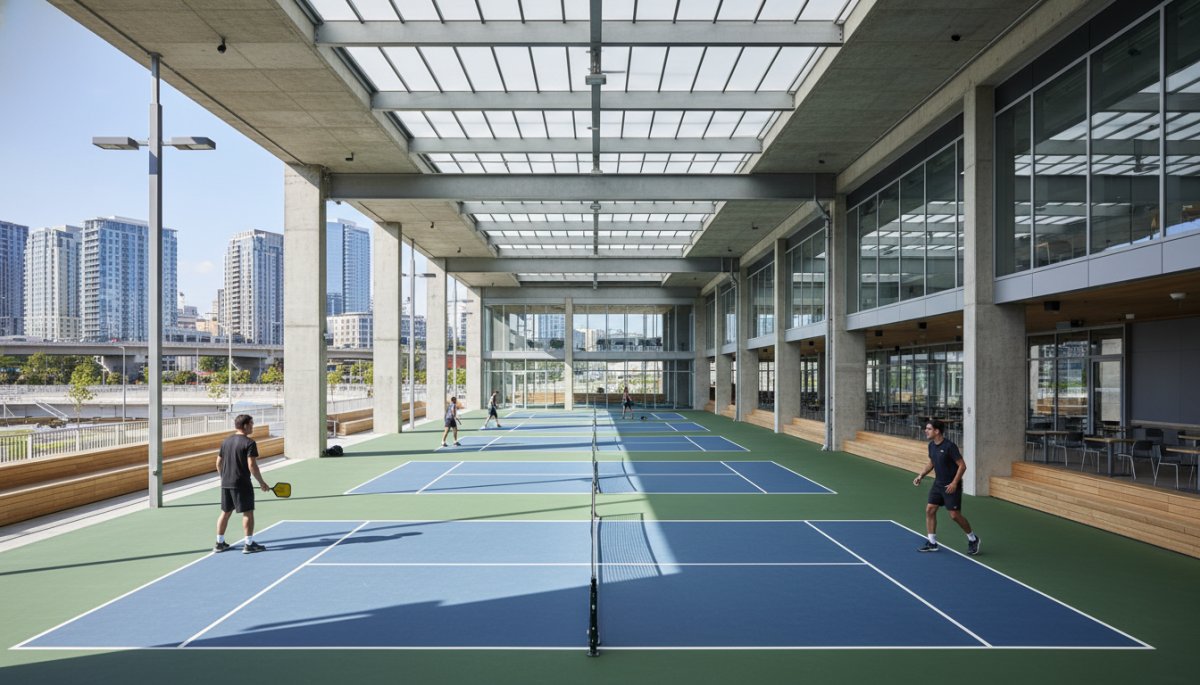
The breadth of adoption is an important factor in deciding Olympic inclusion.
The countries and regions belonging to the governing bodies number about 77 for the IPF and about 52 for the GPF. However, regions where the actual participant population is limited despite having a member organization remain, and grassroots-level adoption is a challenge in parts of Africa, the Middle East, and South America. The circumstances of each country and region are explored in region-specific articles such asEuropeandSouth Korea、Australiaand others.
Development of Anti-Doping and Unified Rules
Proof of being a clean sport and the standardization of rules are also essential.
Building a testing system in line with the World Anti-Doping Code is at a stage that will begin in earnest from now, including on the pro tours. Along with this, the unification of competition rules and international rankings, which differ by league and continent, is being advanced. The building of a foundation of sports governance, such as a referee certification system and the management of official records, continues steadily.
Tailwinds Boosting Inclusion
While there are challenges, the conditions boosting inclusion are also coming together.
The Rapid Expansion of the Participant Population
米国では参加者の増加が続いています。ただし人数は調査年や「参加者」の定義で変わるため、オリンピック採用の根拠として単一の数字だけを見るのは適切ではありません。
In recent years, it has had momentum enough to be called "the fastest-growing sport in America," and the construction of new dedicated courts continues everywhere. Some point out that the pace of growth is settling down somewhat, but it still maintains a high level and is raising its presence as a globally popular sport.
Source Pickleball in the United States (SFIA participant population data)Created from
The Traits of Being Multigenerational, Mixed-Gender, and Space-Saving
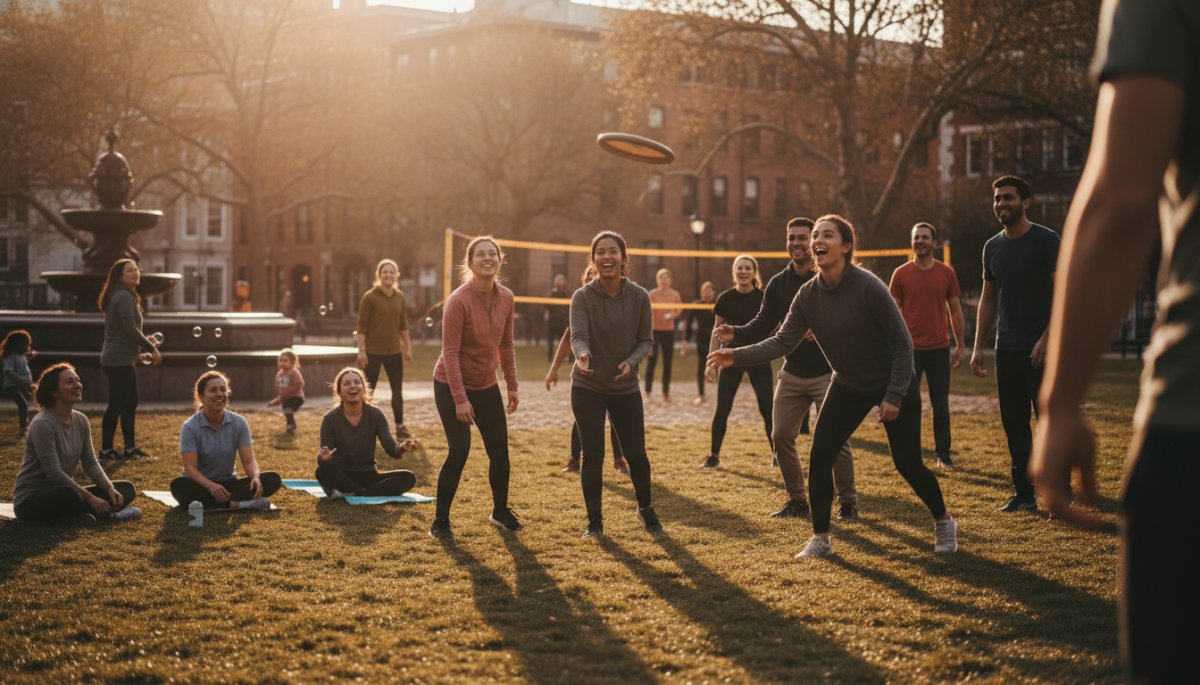
For host cities, pickleball is an easy sport to handle.
Because it works in about a quarter of the space of a tennis court, existing facilities are easy to convert, and post-tournament maintenance costs can be kept down. It also matches the IOC's policy of emphasizing the inclusion of younger people, and its inclusiveness—where people can enjoy the same court regardless of age or gender—has an affinity with the Olympic ideals.
Development of the International Governing Body Is Progressing
Toward the "one voice" structure that is the biggest barrier, the move to merge is itself advancing.
The IPF-WPF merger agreement is the first step in bringing the world together into one. How to sort out the relationship with the remaining GPF is the focus going forward, but the very fact that momentum to unify the organization is rising is a factor bringing inclusion closer to reality.

Challenges Standing in the Way of Realization
That said, there are still walls to overcome.
Competition Over Limited Adoption Slots
There is an upper limit on the number of Olympic sports, and the slots for new sports are limited.
Already approved sports and other additional candidates are also aiming for Olympic inclusion, and the relatively new pickleball tends to be at a disadvantage in competition with sports that have a long history. The key is how to win the host city's additional-sport slot.
Uneven Adoption by Region
The number of member organizations alone does not make it a truly global sport.
In parts of Africa, the Middle East, and South America, the participant population is limited even where organizations exist. There are also regions where equipment is hard to obtain, and it is necessary to expand the actual player population through grassroots support programs.
Expansion of Media Exposure and Commercial Value
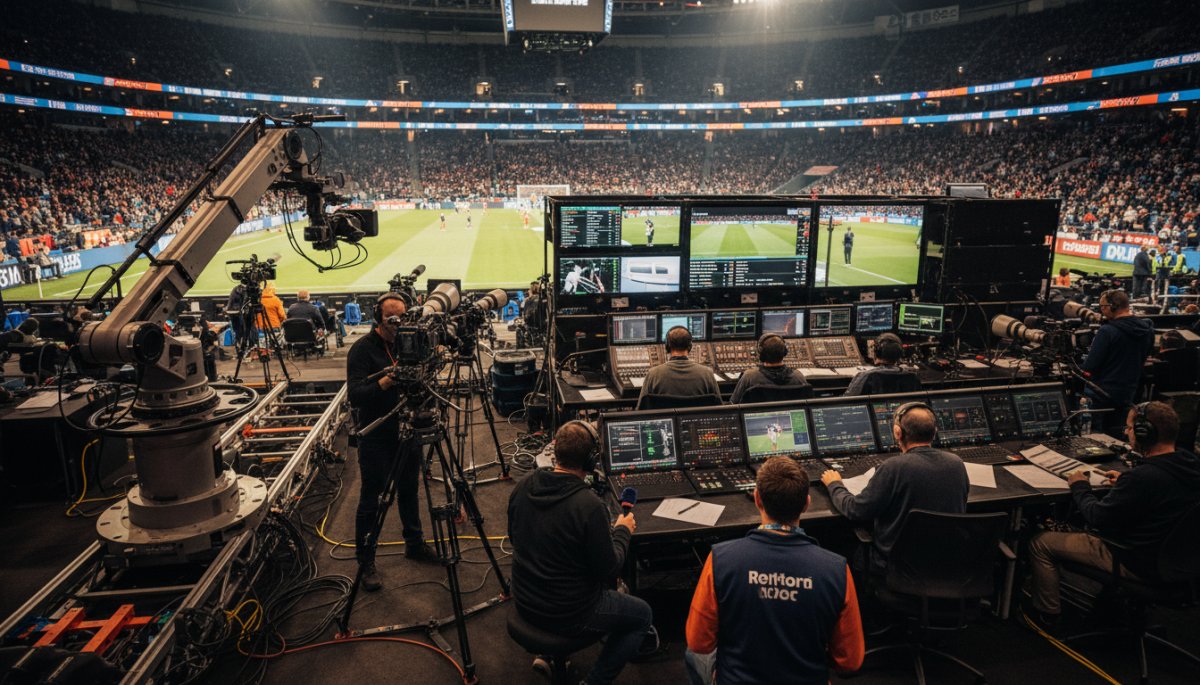
To be recognized as a sport, commercial value is also called into question.
In the US, pro tours have come to be televised, but international media exposure is still developing. Business-side growth such as acquiring sponsors, establishing international broadcasting rights, and building a digital presence is also a condition supporting inclusion. For trends in pro leagues, see thethe explainer on MLPandlist of international tournamentsplease also have a look.
The Relationship Between Japanese Pickleball and the Olympics
The topic of inclusion may seem like a distant world, but it is actually directly connected to Japanese enthusiasts too.
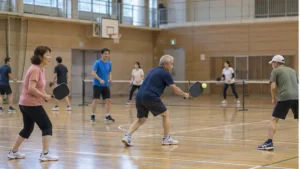
Adoption is accelerating domestically as well, with reports that the participant population reached 50,000 and active clubs 400, expanding at a fivefold pace in one year. Organizationally, the Japan Pickleball Association (JPA) and the Japan Pickleball Federation announced a basic agreement toward a merger, and the creation of a unified domestic body has begun to move. On the facility front, one of America's largest dedicated clubs, "The Picklr," announced its entry into Japan, and the development of dedicated facilities such as the "VIP Indoor Pickleball Club" in Koto Ward is also progressing.
If inclusion is realized, in Japan too, in addition to direct effects such as developing national players and attracting international tournaments, attention to it as a sport will rise a notch further. The current move of a unified domestic body coming into place and dedicated facilities increasing amounts to laying that foundation. For the health appeal behind adoption and the future outlook, seethe state of pickleball in Japanand for the structure of the bodies, seeJPA overview.
Source PR TIMES, "JPA and PJF Announce Basic Agreement Toward Merger"/Fitness Business, "Pickleball Business Development and Research Seminar"Created from

The topic of "when will it enter the Olympics" generates excitement, but the biggest point of attention is actually the unification of the organization. Until it is decided how to sort out the IPF-WPF merger and the parallel GPF, discussion of adoption cannot move forward. The trick to reading inclusion is to follow governance news rather than predictions of the date.
FAQ
When will pickleball become an Olympic sport?
There is no confirmed timing. Adoption was passed over at the 2028 Los Angeles Games, and the 2032 Brisbane Games has room for a proposal but is undecided. It is 2032 at the earliest, and realistically the 2036 Games is also seen as the next target.
Why wasn't it adopted at the 2028 Los Angeles Games?
The additional sports for the Los Angeles Games were confirmed in 2023 as five sports—baseball/softball, cricket, flag football, lacrosse, and squash—and pickleball was not included. Because the competition program is finalized well before the Games, there was no room to add it later.
What is the biggest challenge right now to becoming an Olympic sport?
The unification of the world governing body. The IPF and WPF have agreed to merge, but the separate GPF also stands in parallel, and the structure the IOC emphasizes—"one federation governing one sport"—is not completely in place. Worldwide adoption without regional disparity is also required.
How widespread is pickleball in Japan?
The participant population is reported at 50,000 and active clubs at 400, expanding at a fivefold pace in one year. Organizational development is also progressing, such as the Japan Pickleball Association (JPA) and the Japan Pickleball Federation announcing a basic agreement toward a merger.
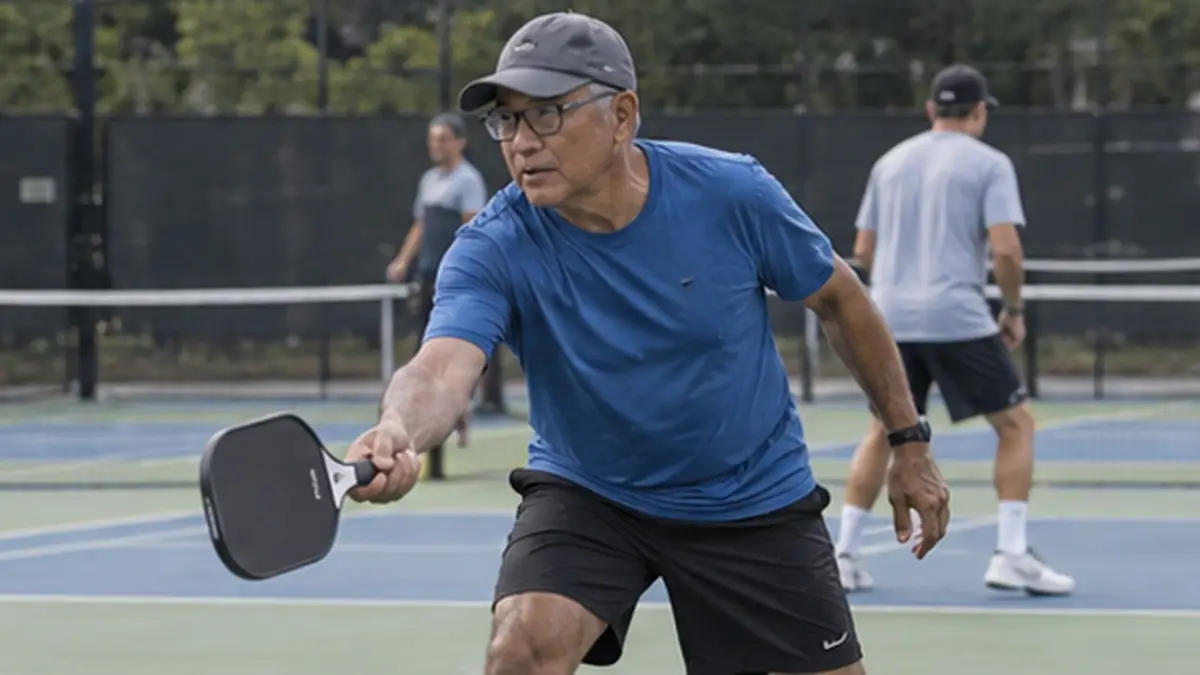
Summary: The Keys to Adoption Are "Unification of the Organization" and "Worldwide Adoption"
Pickleball's Olympic inclusion has entered a stage of realistic discussion that will advance if the conditions come together.
Adoption at the 2028 Los Angeles Games was passed over, but the 2032 Brisbane Games has room for a proposal, and if things are not in place, the 2036 Games becomes the next target. Holding the keys to adoption are the organizational issue of how to unify the IPF-WPF merger and the parallel GPF, and worldwide adoption that closes regional disparities. The rapidly expanding participant population and the traits of being space-saving and enjoyable across generations fit well with the values the modern Olympics seek.
In Japan too, the merger of bodies and the development of dedicated facilities are progressing, and if inclusion is realized, adoption will accelerate further. There is still no confirmed timing, but what should be watched is the unification of the organization and the progress of adoption rather than predictions of the year. By following these two moves, you can calmly gauge how close pickleball is to the Olympics.
確認した一次情報
Related Articles Worth Reading
- Analyzing the Pickleball Scene in Japan | A Thorough Look at Its Spread and Future Outlook
- Pickleball's popularity spreading worldwide | The background of the boom and its growth drivers
- What Is the Japan Pickleball Association (JPA)? Overview, Activities and How to Join
- A List of International Pickleball Tournaments | Major Events and How to Take Part Explained
- Pickleball Viewing Guide | The Highlights of APP, PPA and MLP, Plus a Pro Player Directory
Related Articles