Why parent and child pickleball, and why now
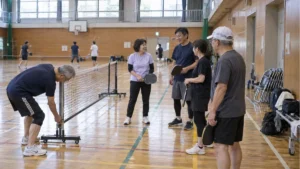
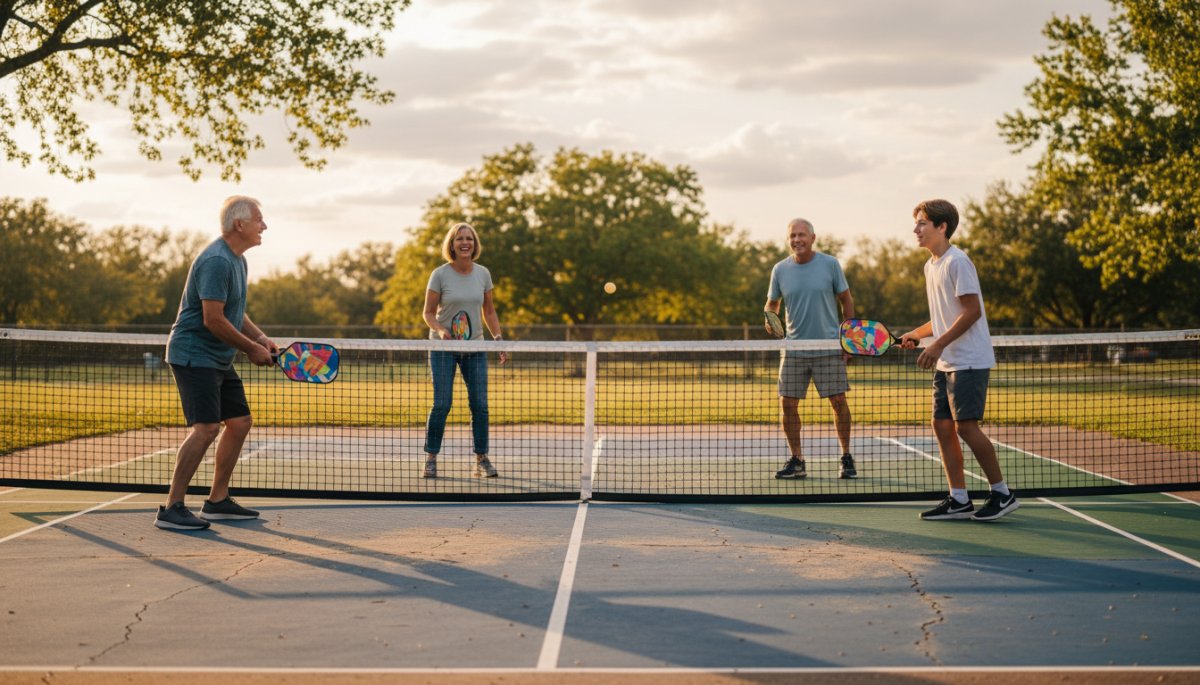
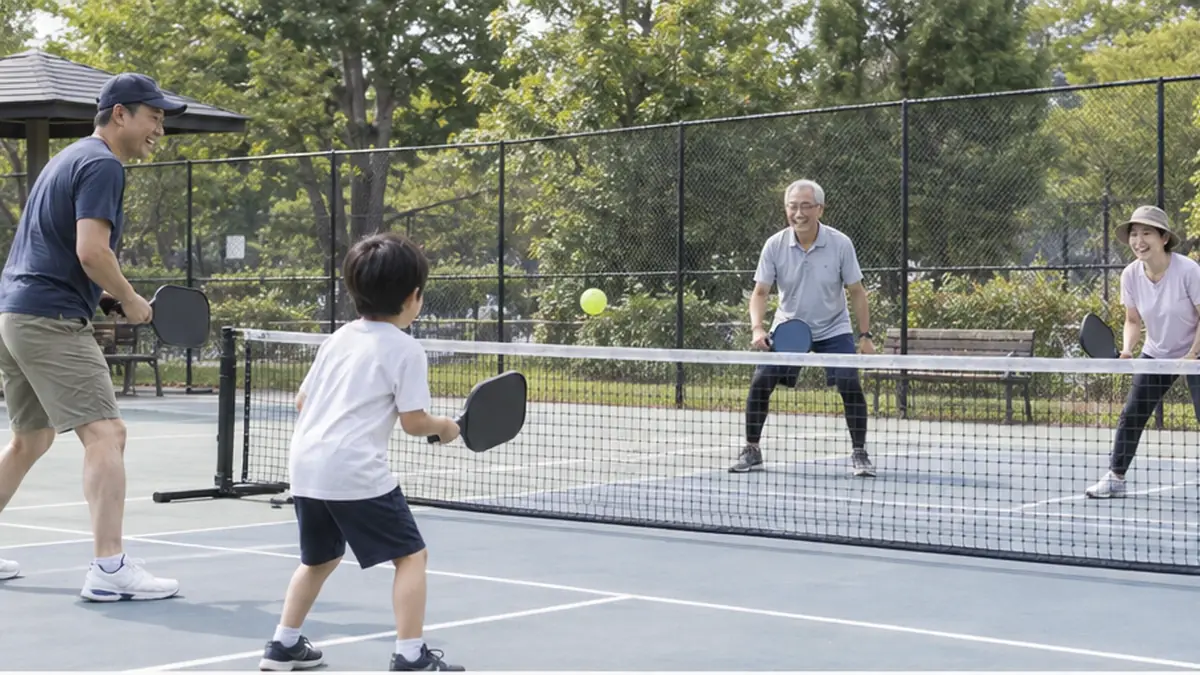
Grandparents and grandchildren keeping a rally going on the same court, laughing together. Scenes like this are gradually increasing in Japan too.
Pickleball spread in popularity in the United States and was called the fastest-growing sport in 2023. Blending elements of tennis, badminton, and table tennis, it is designed so anyone can enjoy it regardless of age or fitness. The court is compact at roughly a quarter the size of a tennis court, and it uses a lightweight plastic ball. There is little intense movement and even beginners can keep a rally going right away, making it perfect for parent and child to start together.
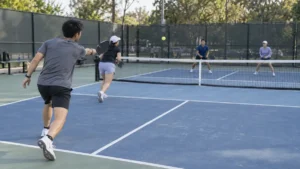
Especially significant is the trait of being able to enjoy it on equal footing across generations. There are not many sports that people from a five-year-old child to those in their 70s can play together under the same rules. The special rule of the non-volley zone curbs power-reliant play, so even a child can go toe to toe with an adult.
Three reasons for parent and child to start pickleball
The ease of feeling I did it right away
The worry that my child is not athletic does not apply much to pickleball.
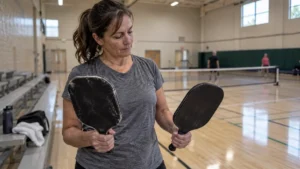
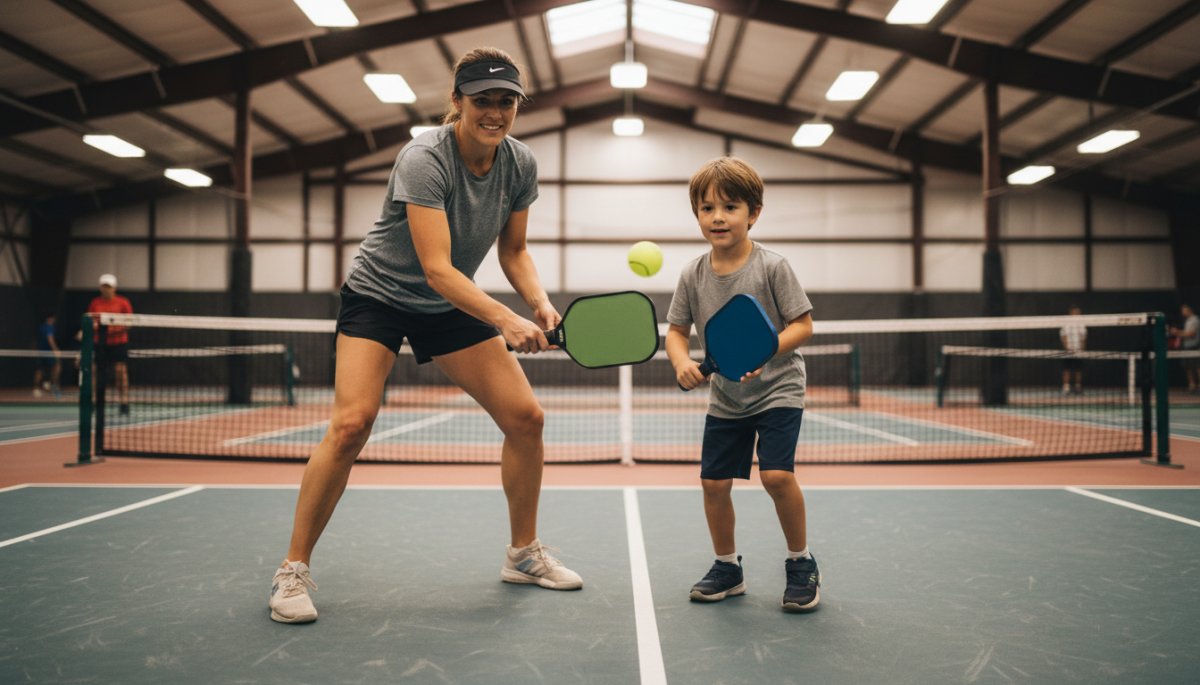
The paddle is a flat, board-like shape like an enlarged table tennis paddle with a wide face, so even a child can hit the ball easily. The perforated plastic ball has little bounce and does not fly too far even when struck hard, so a rally comes together between parent and child right away even the first time. This first success experience builds the confidence of I can do this too, and becomes a chance to paint over an aversion to exercise with fun memories.
High safety and low injury risk
A child's safety is what concerns a parent most.
Because pickleball uses a lightweight plastic ball, it hardly hurts even if it hits you. It does not come flying at high speed as in tennis, so you can swing freely without fear of the ball. The court is compact and the range you run around is small, so falls and strain on the joints are also low. It is a sport gentle enough on the body to be incorporated into rehabilitation and senior exercise programs.
Fostering communication and strategic thinking
Pickleball holds value beyond mere exercise.
In doubles, calling out to your partner decides the outcome. Through exchanges like let's hit it this way next and nice shot, the parent-child bond deepens naturally. Because the non-volley zone rule prioritizes placement and control over power, thinking together about where to hit and when to move forward also nurtures a child's thinking and judgment.
A start-up guide by a child's age [quick reference]
The points of how to enjoy it and how to teach change with a child's age. First, get a sense of the guidelines by age from the table.
| Age | Focus for getting started | Guide |
|---|---|---|
| Age 5 to lower elementary grades | Prioritize fun over rules. Start with rolling and gentle rallies | Make use of trial sessions and parent-child sessions |
| Upper elementary grades | Learn the basic rules and simple strategy | Get coaching from experienced players at practice sessions |
| Junior high and up | Pursue technique as a competitive sport. Move on to meetups and mini tournaments | Compete and grow alongside peers |
Age 5 to lower elementary grades: build the basics while playing
At this age, put fun first.
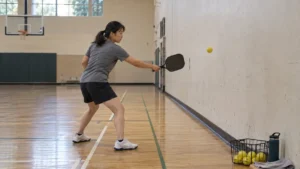
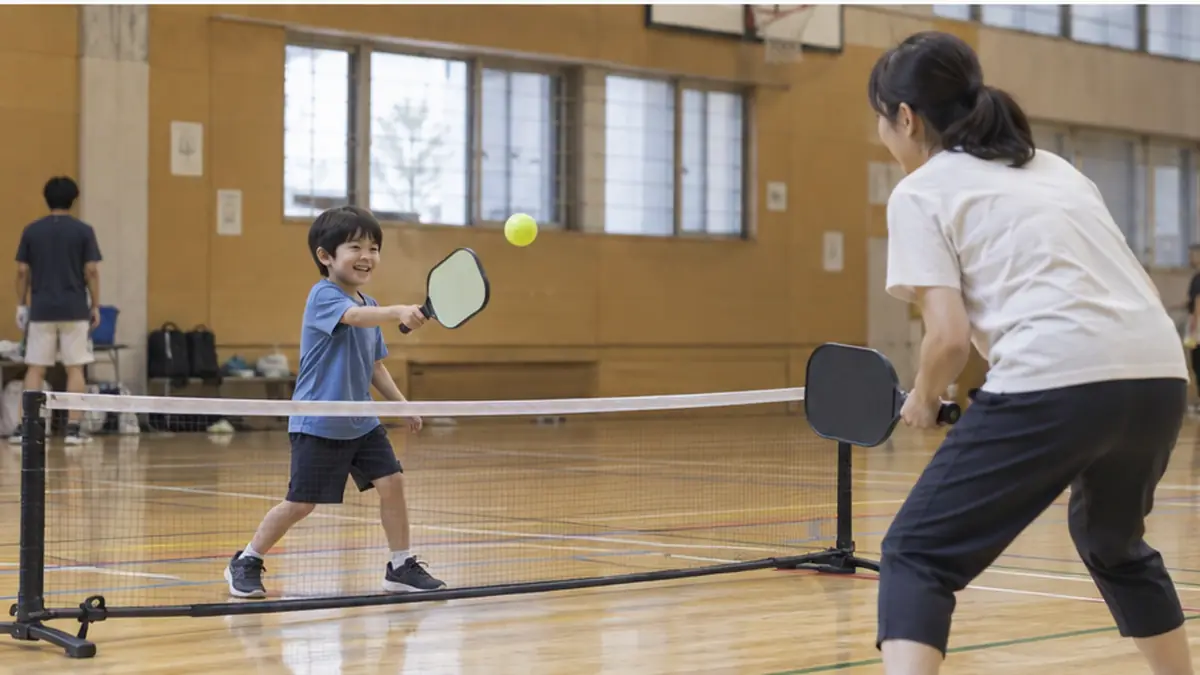
Start by facing your child and rolling the ball or gently hitting it back and forth. There is no need to insist on the formal rules. Setting small goals like we kept it going ten times and letting them feel a sense of achievement is the key to keeping it up. Making use of trial sessions and parent-child sessions is also recommended; in Tokyo there are sessions from 1,100 yen for 60 minutes that even preschoolers age five and up can join accompanied by a guardian. Playing alongside peers naturally nurtures sociability too.
Upper elementary grades: learn the basic rules and hone technique
Around age ten, children can understand the basic rules and enjoy strategic play too.
Teach the sport's distinctive rules bit by bit, such as serving underhand on the diagonal and that volleys are prohibited inside the non-volley zone. Joining a practice session at around 2,200 yen for 90 minutes lets them get direct coaching from experienced players and improve faster. Taking part together as parent and child and watching each other grow also gives you more shared topics.
Junior high and up: pursue the fun of it as a sport
By junior high, children can enjoy it as a more serious sport.
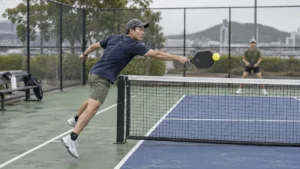
dinkThey can take on advanced techniques such as (a soft, low shot over the net) and the third-shot drop (a strategic shot on the third stroke after the serve). Entering meetups and mini tournaments lets them compete and grow with peers. There are also cases where university students take the lead in running exchange matches and mini tournaments, widening venues for interaction across generations.
Source Pickle Club, Details of Trial Sessions, Practice Sessions, Meetups, and Parent-Child Sessions(2025)
Five tips for improving together as parent and child
1. Enjoy basic practice together
The shortcut to improvement is repeating the basics, but if it is monotonous children get bored.
Bring in small goals or a game-like feel, such as ten in a row today or just backhands next, to hone technique while having fun. Show that the parent is learning too, do not demand perfection, and create an atmosphere where you can laugh at each other's mistakes. If the parent can enjoy failing, saying Dad messed up too, the child can take on challenges without fear.
2. Make a point of positive words
Words like nice shot and that placement was good greatly boost a child's motivation.
Even when they miss, encourage them with so close, the next one will go in, and do not overlook small growth, praising it. In doubles, words of thanks to your partner, such as thanks for covering me, nurture teamwork and the parent-child bond.
3. Check your own play on video
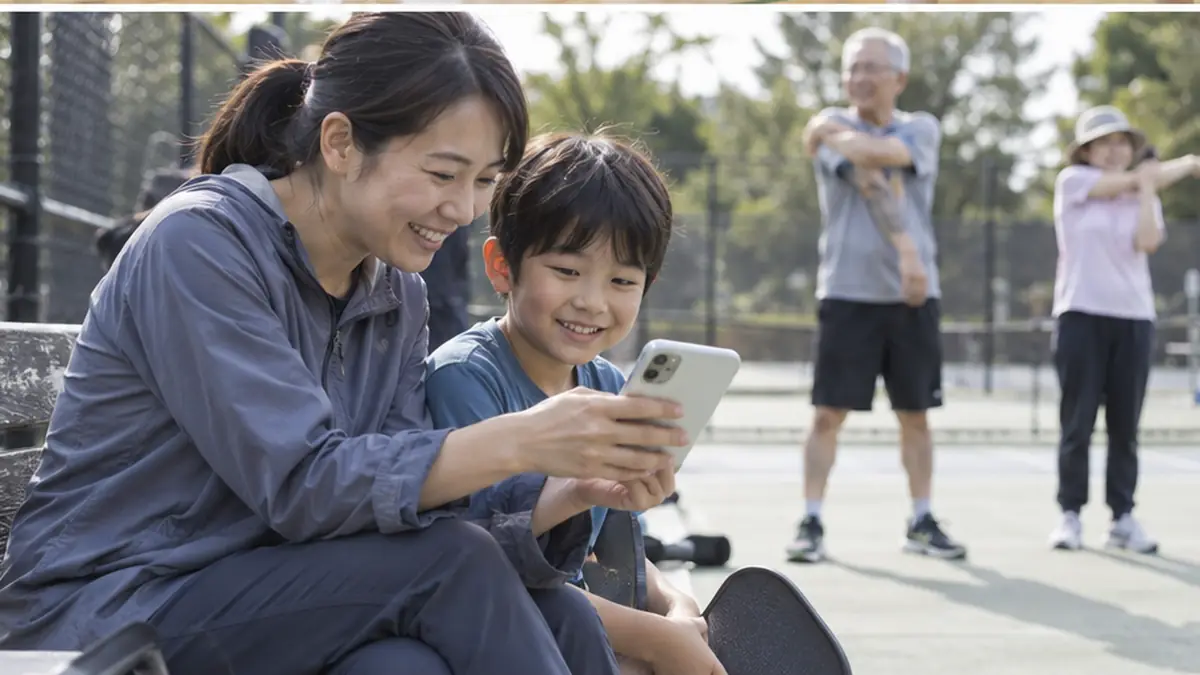
Watching video shot on a smartphone together lets you analyze your play objectively.
Discussing things like you could have reached that if you had moved forward a bit more here and that form is good also nurtures strategic thinking. Recording a session with a wearable device's workout function and visualizing heart rate and exercise intensity makes a child's sense of achievement even greater.
4. Interact with other parent-child players
Interacting with families who enjoy it as parent and child in the same way brings new discoveries and inspiration.
Joining trial sessions and meetups naturally grows your circle of friends. By joining a local community, a child's sociability grows and they naturally pick up etiquette and manners. For how to find companions, seeWays to join a community and interactis also worth a look.
5. Above all, prioritize enjoying it without overdoing it
The most important thing is to enjoy it without pushing too hard.
Respect your child's pace with I'm tired today, let's stop here, do not fixate too much on winning or losing, and enjoy the very time of moving your bodies together. In the casual conversation looking back on the day after playing, the parent-child bond deepens further. To keep it up safely for a long time,stretching before and afteris also reassuring to include.
Source Apple, New Apple Research Reveals That Pickleball Benefits Healthcreated from (October 2023)
How to find facilities the whole family can enjoy
Make use of public facilities
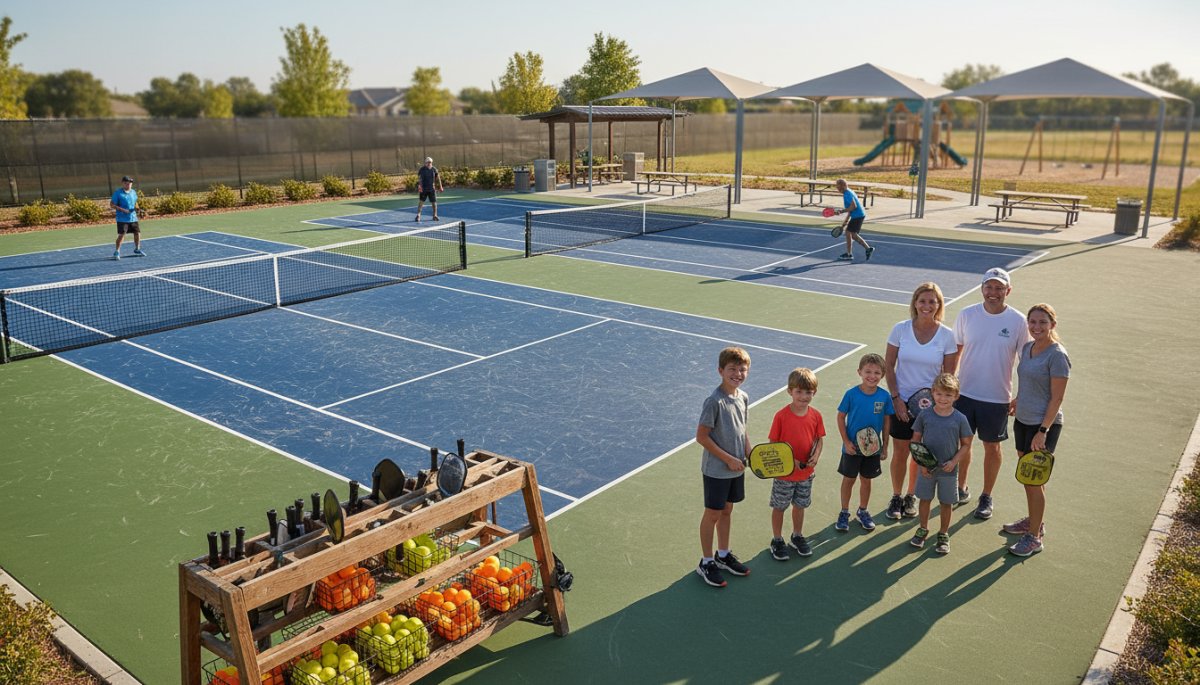
The easiest option is a local public sports facility.
At Nanko Chuo Park in Suminoe Ward, Osaka, lines were added to two underused tennis courts to create four pickleball courts. Facilities that repurpose existing tennis and badminton courts like this are increasing. Check whether a facility has pickleball courts in your municipality's sports facility information. Many are reservation-based, so checking how to use them in advance is reassuring.
Use specialized facilities and schools
If you want to take it up seriously, using specialized facilities and schools is also an option.
Urban areas have facilities that regularly hold trial and practice sessions, with well-developed programs for beginners. Among trial sessions that parent and child can join, there are also events open to elementary and junior high students and their guardians for free, with equipment rental included. Using such opportunities lets you take the first step casually.
Gather information online
On the Japan Pickleball Association's official site, you can check events and tournament information nationwide.
Registering as a player makes you eligible to enter sanctioned tournaments and be included in rankings, so you can enjoy it more seriously. On social media, hashtags like #pickleball and #familysport also let you find posts from families who enjoy it the same way and local information.
Source Mainichi Shimbun, Across Generations, Rallying with Smiles: Surge in Players of U.S.-Born Pickleballcreated from (August 2025)

If you are starting as parent and child, the best first outing is a trial session with equipment rental. There is no need to buy a full set of gear before you know whether your child will like it; you can confirm the fun with a rental paddle first, then choose your own. Being able to play on the same court despite differences in age and fitness is this sport's greatest strength of all.
Gear you need and points for choosing
The basics are three things: paddle, ball, and shoes.
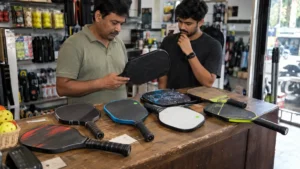
Choose a paddle that is light and easy to handle; for children, a light one of 200 grams or less is suitable. Balls come in indoor (26 holes, softer) and outdoor (40 holes, harder) types, matched to your playing environment. Highly visible yellow or orange are easy colors for beginners to see. For shoes, choose court shoes strong on lateral movement, and indoors a non-marking sole is essential. Avoid running shoes, which are weak on lateral movement. For how to choose gear,the guide to the first gear to getcovers price and where to buy in detail.
FAQ
From what age can you start pickleball?
You can start from around age five. In the lower grades, it is recommended to begin not with rules but with play like rolling the ball or gently hitting it back and forth. At many trial sessions, even preschoolers age five and up can join accompanied by a guardian.
Can a child who is not athletic enjoy it?
Yes. Thanks to the wide-faced paddle and the low-bounce plastic ball, a rally comes together right away even the first time. This success experience of I did it builds confidence and eases an aversion to exercise.
Does it work for a child and an adult to play together?
Yes. The non-volley zone rule curbs power-reliant play and prioritizes placement and control, so even a child can go toe to toe with an adult. The hallmark is that people from age five to their 70s can enjoy it on equal footing under the same rules.
What should we prepare to start as parent and child?
The basics are three things: paddle, ball, and shoes. For a child, a light paddle of 200 grams or less is suitable. First join a trial session with equipment rental, and buy gear once your child likes it, to avoid waste. For details, refer to the gear guide.
Summary: The best sport for deepening the parent-child bond
Pickleball is an ideal family sport that can be enjoyed across generations.
People from a five-year-old child to those in their 70s can enjoy it on equal footing under the same rules, it is highly safe, and even beginners can get a rally going right away. Above all, the great appeal is being able to deepen communication while moving your bodies together as parent and child. If you grasp how to start by age and enjoy it with positive words, improvement will follow naturally.
How about spending a few weekend hours putting the smartphone down and standing on the court together as parent and child? Start by finding a nearby trial session or public facility. From the day you grip a paddle, making new family memories begins.
Related Articles Worth Reading
- A Beginner's Guide to Pickleball | The First Gear to Get and How to Choose It
- I Tried Pickleball as a Beginner | An Experience Report and How-to-Start Guide
- Pickleball and Mental Health | Why It Works for Stress Relief and Preventing Depression
- How Do You Find Pickleball Companions? Joining Communities and Ways to Connect
- A pre- and post-pickleball stretching routine, so you can enjoy it long and injury-free
Related Articles