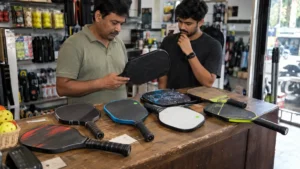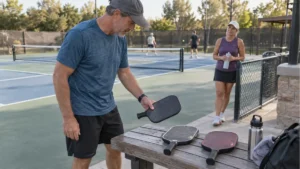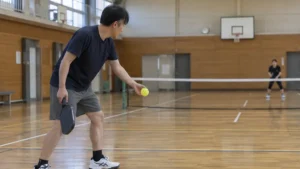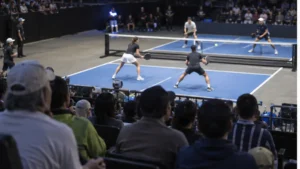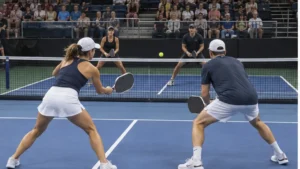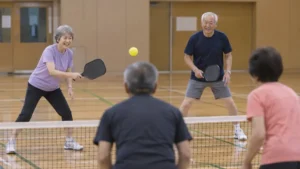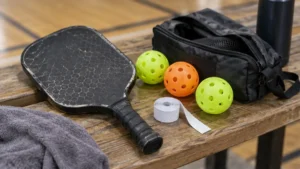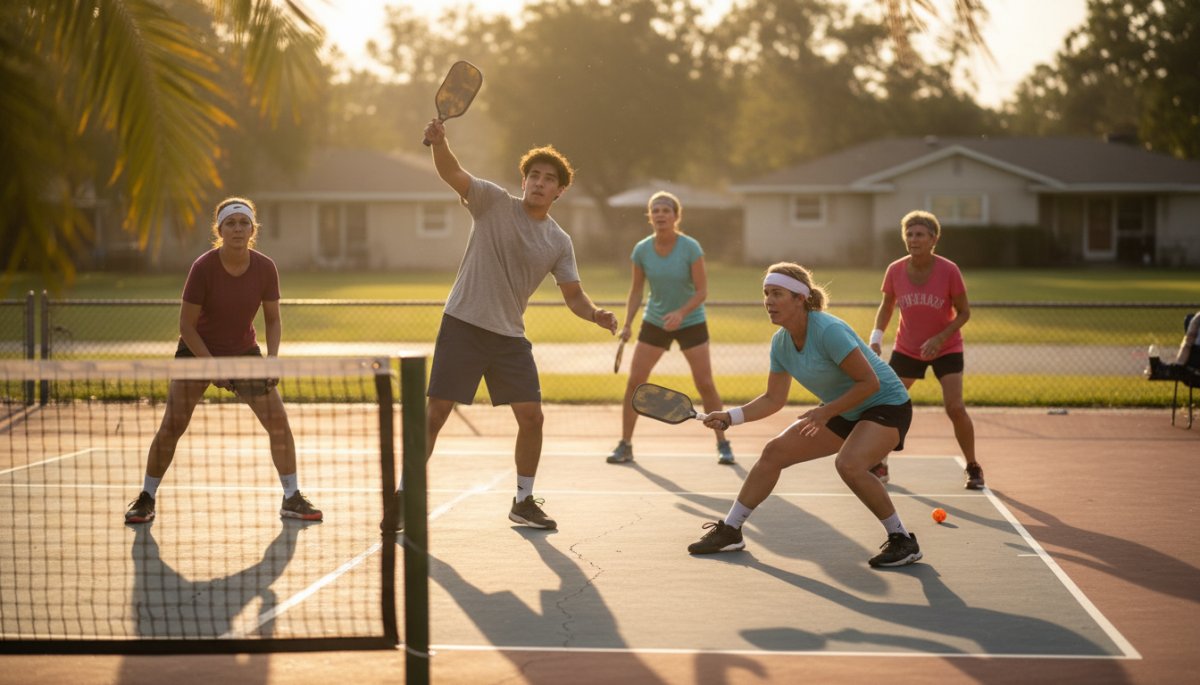
If asked "what is the fastest-growing sport in America right now," the answer is pickleball.
This sport, combining elements of tennis, table tennis, and badminton, is gathering astonishing popularity in America. The participant population has swelled several times over in a few years, becoming a social phenomenon that is spreading with momentum surpassing tennis and golf. Why did it grow this explosively? Celebrity participation, the inflow of investment money, the birth of pro leagues—behind them are reasons that cannot be dismissed as mere fads. This article unravels the reasons pickleball took root as a "culture" in America, along with the latest data.
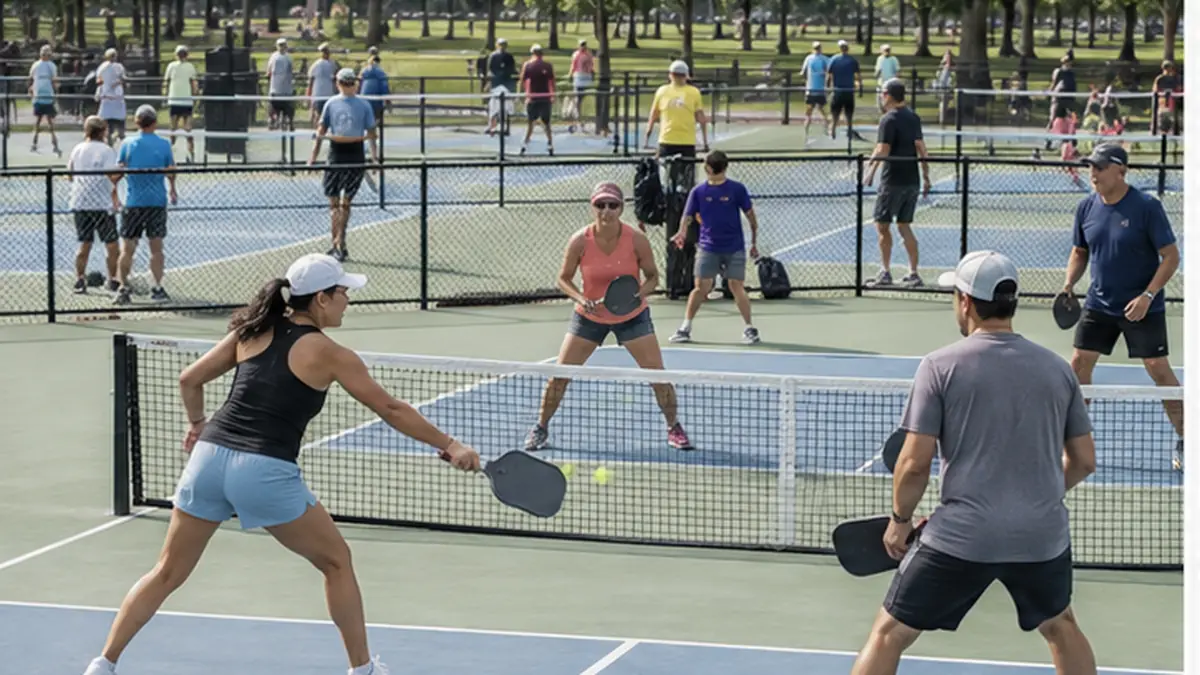
Becoming the Fastest-Growing Sport in America
Pickleball's growth speed is overwhelming even compared with other sports. Let's look at the trend in participant population.
| Year | Participant Population (SFIA core estimate) |
|---|---|
| 2020 | About 4.2 million |
| 2023 | About 13.6 million |
| 2024 | About 19.8 million (up about 45.8% year over year) |
| 2025 | About 24.3 million |
Figures from SFIA (the Sports and Fitness Industry Association) put participation at about 24.3 million in 2025, a striking rise of about 171.8% in just three years. The sport has been called the fastest growing for four years running. Another survey (APP) that counts anyone who played even once a year estimated about 48.3 million players as of 2023; by either count, it has taken deep root in American life. In equipment, total pickleball paddle sales were reported to have passed tennis racquet sales in 2023, and the number of paddle brands has grown into the hundreds.
Source The Dink / SFIA participation dataCreated from this and others
The Reasons It Is Supported Across a Wide Range of Ages
Supporting its popularity in America is a spread that transcends generations. From young people to seniors, it is accepted for their respective reasons.
Popularity Spreading to Younger People Too
Initially, pickleball was seen as "a sport for older adults," but now it is completely different.
The average age of people who play once a month or more is 34.8, and it is establishing itself as a social sport for the younger generation. Pickleball clubs are being born one after another at universities, and cases of it being adopted into school physical education programs are also increasing, accelerating adoption for the next generation. The SNS-worthy ease and the fun of community are capturing young people's hearts.
As a Lifelong Sport for Seniors
On the other hand, its popularity among those aged 50 and over also remains high, which is characteristic.
Many retirement communities have dedicated courts, and pickleball has become residents' main social activity. In warm states such as Florida, Arizona, and California, outdoor courts are used year-round, and large-scale tournaments are held frequently too. Because the court is about a quarter of tennis with little movement, and the lightweight ball puts little strain on the joints, it is also adopted as a rehabilitation and senior exercise program. The inclusiveness of being able to enjoy the same court regardless of generation broadens the base of its popularity.
A Boom Accelerated by the COVID Pandemic
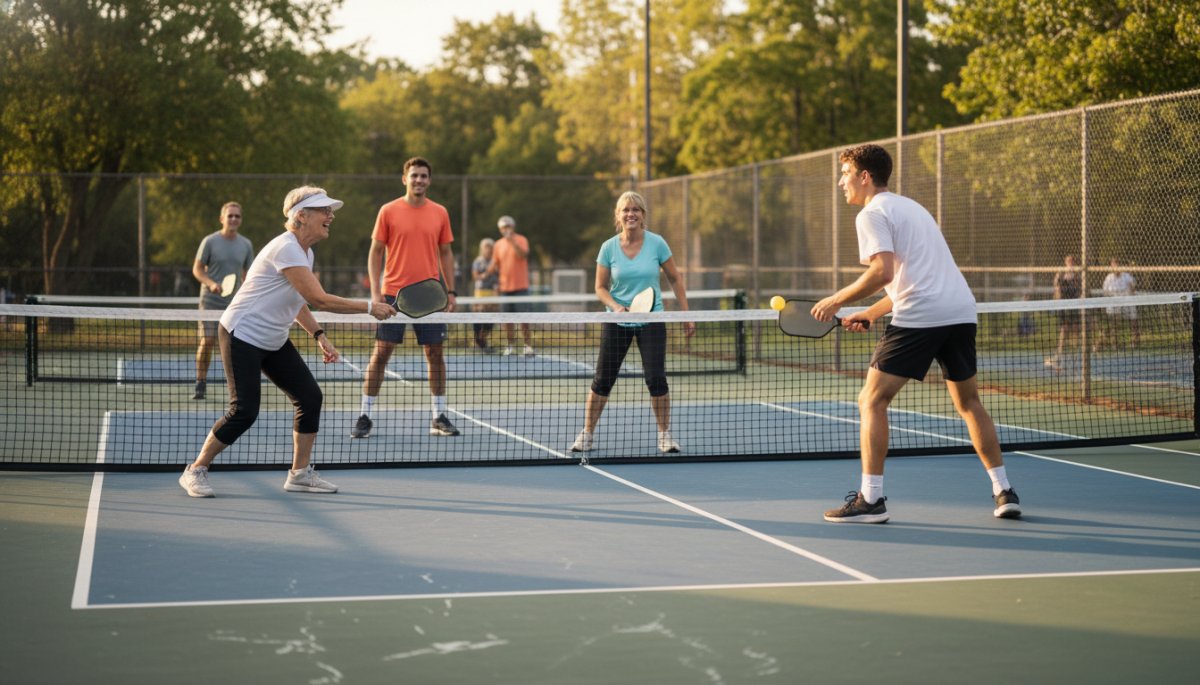
The trigger that boosted its popularity all at once was the COVID pandemic. Let's look at the mechanism of the explosion from two angles.
Fitting the Demand to Enjoy It Safely Outdoors
As gyms and indoor facilities closed during the pandemic, the desire to move one's body safely outdoors and connect with people grew.
Pickleball, which can be played easily in front of one's house, in an empty space, or even on an unused tennis court, fit this demand perfectly. The point that it can be enjoyed with a small number of people while avoiding crowds also suited the situation at the time. The sense of accomplishment of a rally continuing right after playing once created repeat players.
Celebrities and SNS Boosting the "Cool" Factor
What spurred this on were public figures and SNS.
Bill Gates and Leonardo DiCaprio playing was reported in the media, and interest rose rapidly. Especially on the West Coast and East Coast, the trend spread among business leaders, and each time celebrities' play was shared on SNS, popularity accelerated. Many tennis courts were converted for pickleball, and new dedicated courts were built one after another too. The fact that an "interesting sport" was recognized as a "cool sport" was a major factor in not letting the boom end as a fad.
Expansion as an Equipment and Business Market
The rapid increase in the player population created a huge economic sphere.
In the equipment market, it was reported that total sales of pickleball paddles surpassed tennis rackets in 2023, and entering brands increased to reach several hundred. Models using carbon materials and new core structures appeared one after another, and the price range has broadened from affordable ones to high-end models in the tens of thousands of yen. The market for peripheral goods such as apparel, shoes, and bags has also expanded, with major sports brands entering one after another.
Furthermore, related businesses such as court construction and operation, coaching, tournament operation, and media distribution launched all at once, creating new jobs too. Real estate developers incorporate courts into residential areas, and commercial facilities introduce courts as a device to attract customers; a structure is coming into place where "having pickleball" itself generates value. The fact that not only people who play but also people who watch and get involved as a business are increasing speaks to the breadth of the boom's base in America.
Professionalization and the Inflow of Investment Money
Beyond the realm of entertainment, its presence as a business is also rapidly expanding. Symbolic of that is the trend of professionalization.
| Main Pro Organizations | Position |
|---|---|
| PPA Tour | A pro tour centered on individual matches. Holds tournaments throughout the year |
| MLP (Major League Pickleball) | A team-based league. Top athletes invest |
| APP | A tour where a wide range of people from pros to amateurs participate |
The Birth of Pro Tours
Multiple pro tours such as the PPA, MLP, and APP have been established, with total prize money reaching several million dollars.
Tennis legends Andre Agassi and Andy Roddick also started investing and participating, and media exposure increased all at once. In April 2025, former tennis world No. 1 Agassi made his pro debut in pickleball, generating buzz as an event symbolizing the upgrade from a "casual sport" to a "serious competition." With top athletes and investors listed as team owners, its appeal as a spectator sport is also rising. For how the league works, seethe explainer on MLP.
Expanded Investment in Facilities
The construction of dedicated courts is progressing everywhere, and the move to convert existing tennis courts is also active.
Because about four pickleball courts can be created from one tennis court, it is supported as an efficient use of land. Its popularity has risen so much that coordination over court use with tennis enthusiasts becomes necessary, and there are even areas where local governments step in. Not only sporting goods makers but also real estate developers incorporate courts into new residential developments, and annual membership indoor clubs are also increasing. A virtuous cycle where sport calls forth industrial growth is being created.
Fusion with Urban Lifestyles
One reason pickleball has become something beyond a mere sport is its fusion with urban lifestyles.
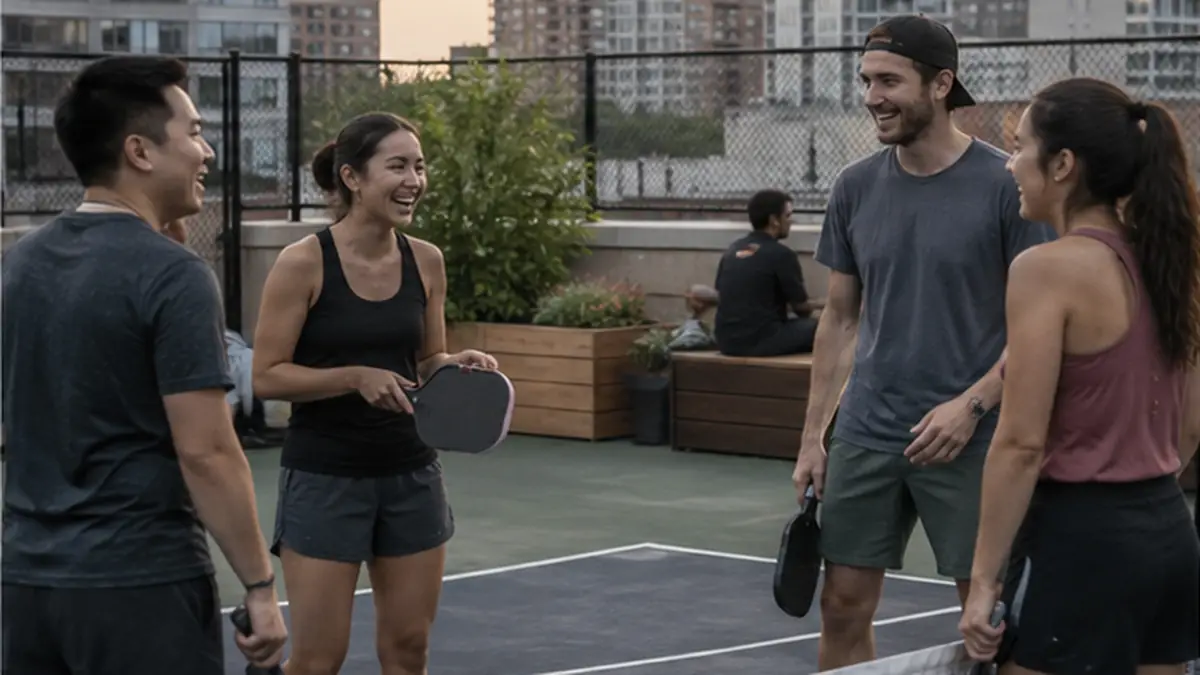
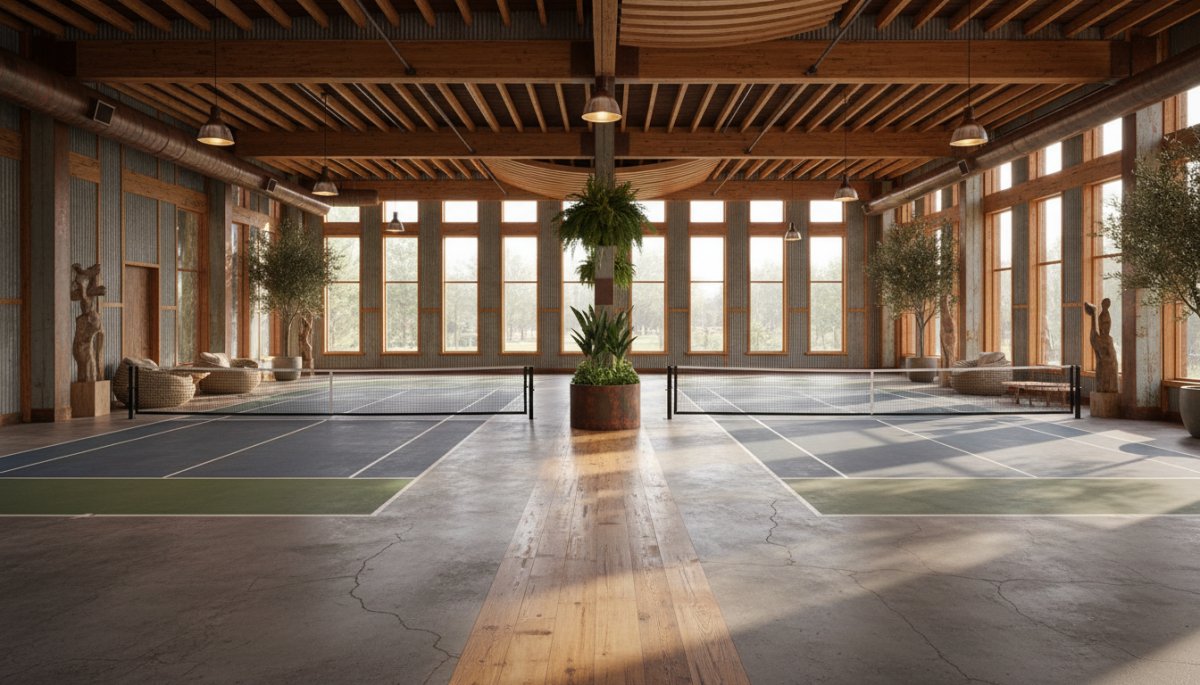
In New York, facilities such as CityPickle have appeared. A bar or lounge is attached next to the play area, and combined experiences such as "socializing while playing," "drinking while watching," and "waiting for the next match while chatting" have become the norm. This is not merely a matter of facilities; it reflects a change in how consumers use their time itself. The inclination of urban dwellers to gain multiple values at once rather than focusing on one thing is taking shape through the platform of pickleball.
In May 2025, 14 permanent courts opened at Wollman Rink in Central Park. Within New York City, a certain proportion of existing tennis courts have been converted for pickleball, and facilities are rapidly expanding. A new form of leisure that unites sport, entertainment, and socializing is spreading from the cities.
Source Advertimes, "Pickleball Changes Urban Lifestyle & the New Common Sense of Marketing"Created from (June 2025)
The Ripple Effect on Japan and Future Possibilities
The success in America is also rippling into Japan.
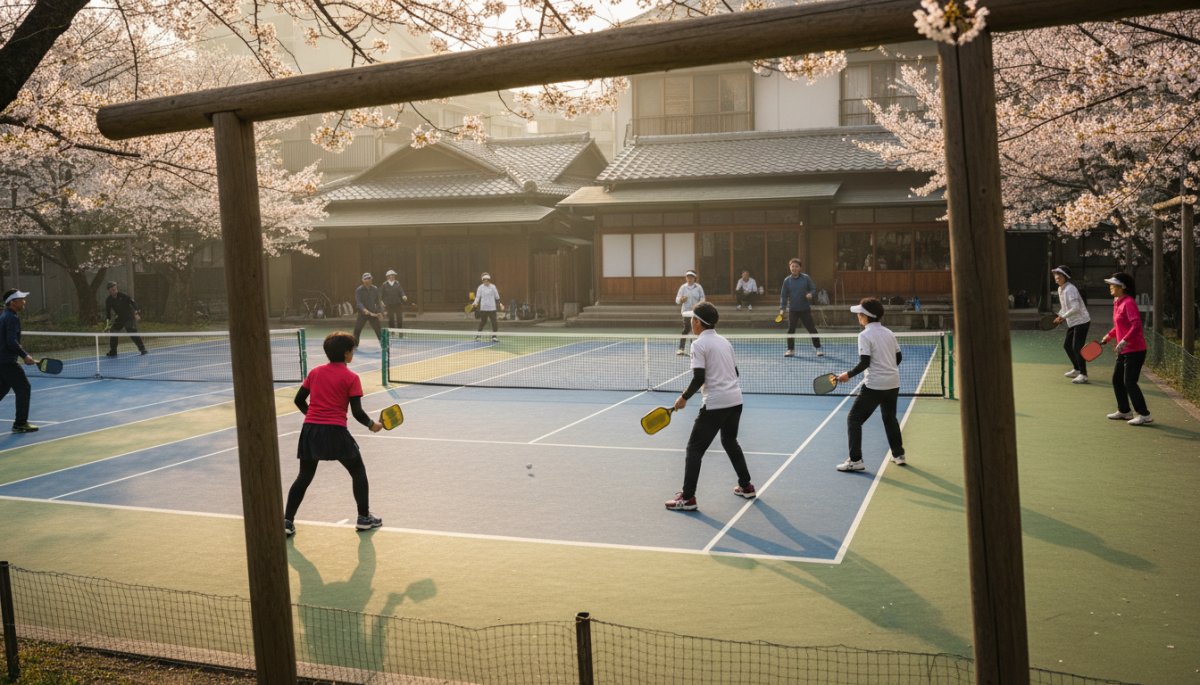
Participation in Japan grew from about 5,000 in 2024 to roughly 45,000 in 2025, about a ninefold jump in a year, and is estimated to have surged further to about 330,000 in 2026. In the summer of 2025 Japan's first pro league matches were held at Ariake in Tokyo, where players chosen from across the country were split into 16 teams and went through a draft before competing. Overseas players joined as well, opening a new stage for the sport as a spectator event. The Picklr, the largest indoor operator in the United States, has also announced its entry into Japan and plans 20 sites nationwide over the next few years. For a closer look at what is happening in Japan, seethe state of pickleball in Japanand for the spread worldwide, seeglobal boom articleexplored in depth as well.
Source Pickleball Japan Federation, "Pro League Related Information"(2025)
The Different Ways It Takes Off by Region in America
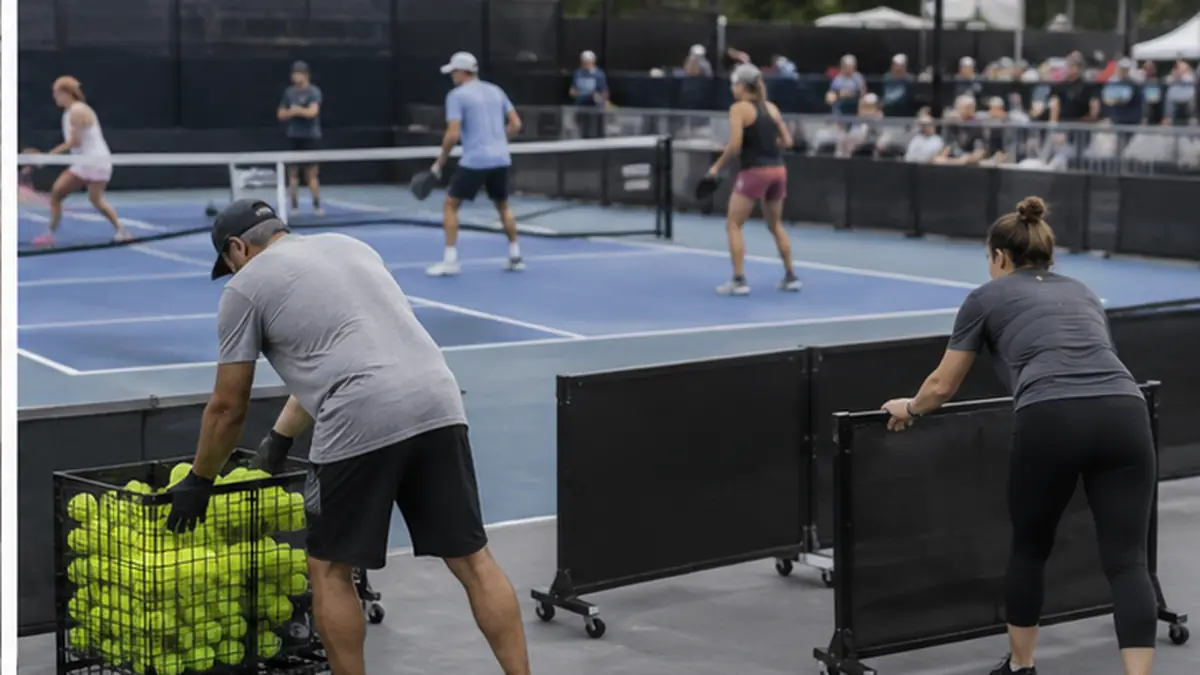
In vast America, pickleball's way of spreading has distinctive features by region. Differences in climate and resident demographics create differences in how it is enjoyed.
The Sun Belt as a Social Hub for Seniors
The warm Sun Belt regions such as Florida, Arizona, and California are the center of pickleball culture.
In retirement communities where many retirees live, dedicated courts have become residents' main social spaces. Because outdoor play is possible year-round, large-scale tournaments are also held frequently, forming a thick base of enthusiasts centered on seniors. Its characteristic is that it has blended into daily life as a place that satisfies both "exercise" and "neighborly socializing" at once.
Urban Areas as a Social Sport for Young People
In major cities such as New York and Los Angeles, its popularity is rising as a social sport for the younger generation.
Urban facilities with attached bars and lounges have appeared, and a style of gathering with friends after work to "drink and chat while playing" is taking hold. Combined with SNS-worthy ease, it has become a new leisure option for younger people. Even for the same sport, American pickleball has diverse faces by region, from part of seniors' lives to a trend among urban young people.

America's strength lies not so much in the "size of the numbers" as in the point that young people to seniors, and entertainment to pro, are taking off simultaneously. From the socializing of retirement communities, to urban entertainment such as CityPickle, to the pro leagues that Agassi and others are joining—the thickness of the layers turned the boom into a culture. In gauging Japan's future too, this "way the layers broaden" is the biggest thing to watch.
FAQ
How many people play pickleball in America?
According to SFIA figures, the participant population reached about 24.3 million in 2025, increasing about 311% in the past three years. In a separate survey (APP) that includes those who tried it once a year, there is also an estimate of about 48.3 million. The average age is 34.8, and it is spreading to the younger generation too.
Why has it become this popular in America?
In addition to its ease of starting and inclusiveness, the timing coincided with rising demand for outdoor exercise during the COVID pandemic. Celebrities such as Bill Gates and DiCaprio playing spread on SNS, and its recognition as a "cool sport" was a factor in not letting the boom end as a fad.
Which regions of America is it popular in?
The center is the warm Sun Belt regions such as Florida, Arizona, and California, where it has become a social hub for seniors in retirement communities. On the other hand, in major cities such as New York and Los Angeles, its popularity is rising as a social sport for the younger generation, centered on urban facilities with attached bars.
Are there pro leagues in pickleball?
Yes. There are multiple pro organizations such as the PPA Tour, MLP (Major League Pickleball), and APP, with total prize money reaching several million dollars. In April 2025, former tennis world No. 1 Andre Agassi made his pro debut, and the entry of top athletes and investors is progressing.
Summary: Pickleball Taking Root as a Culture
The reasons pickleball gathers explosive popularity in America cannot be explained by mere fads.
The ease of access that anyone can start casually, the inclusiveness that can be enjoyed across generations, the fusion of socializing and fitness accelerated during the COVID pandemic, the professionalization and inflow of investment money, and the fusion with urban lifestyles. These combined, and the participant population reached about 24.3 million in 2025, with pickleball becoming established as a "culture." The entry of Agassi and others and the large courts in Central Park are symbolic of that.
In Japan too, adoption is rapidly progressing, and the development of pro leagues and dedicated facilities has begun. As a lifelong sport and as a place for new communities, pickleball holds the potential to change our lifestyles. If you're curious, first try gripping a paddle at a court near you.
Related Articles Worth Reading
- Pickleball's popularity spreading worldwide | The background of the boom and its growth drivers
- The Pickleball Scene in Canada | The State and Growth Background of North America's No. 2 Market
- The State of Pickleball in the UK | An Analysis of the Boom in a Tennis Powerhouse
- The Pickleball Scene in Australia | The State of a Fast-Growing Oceania Market
- Analyzing the Pickleball Scene in Japan | A Thorough Look at Its Spread and Future Outlook
Related Articles